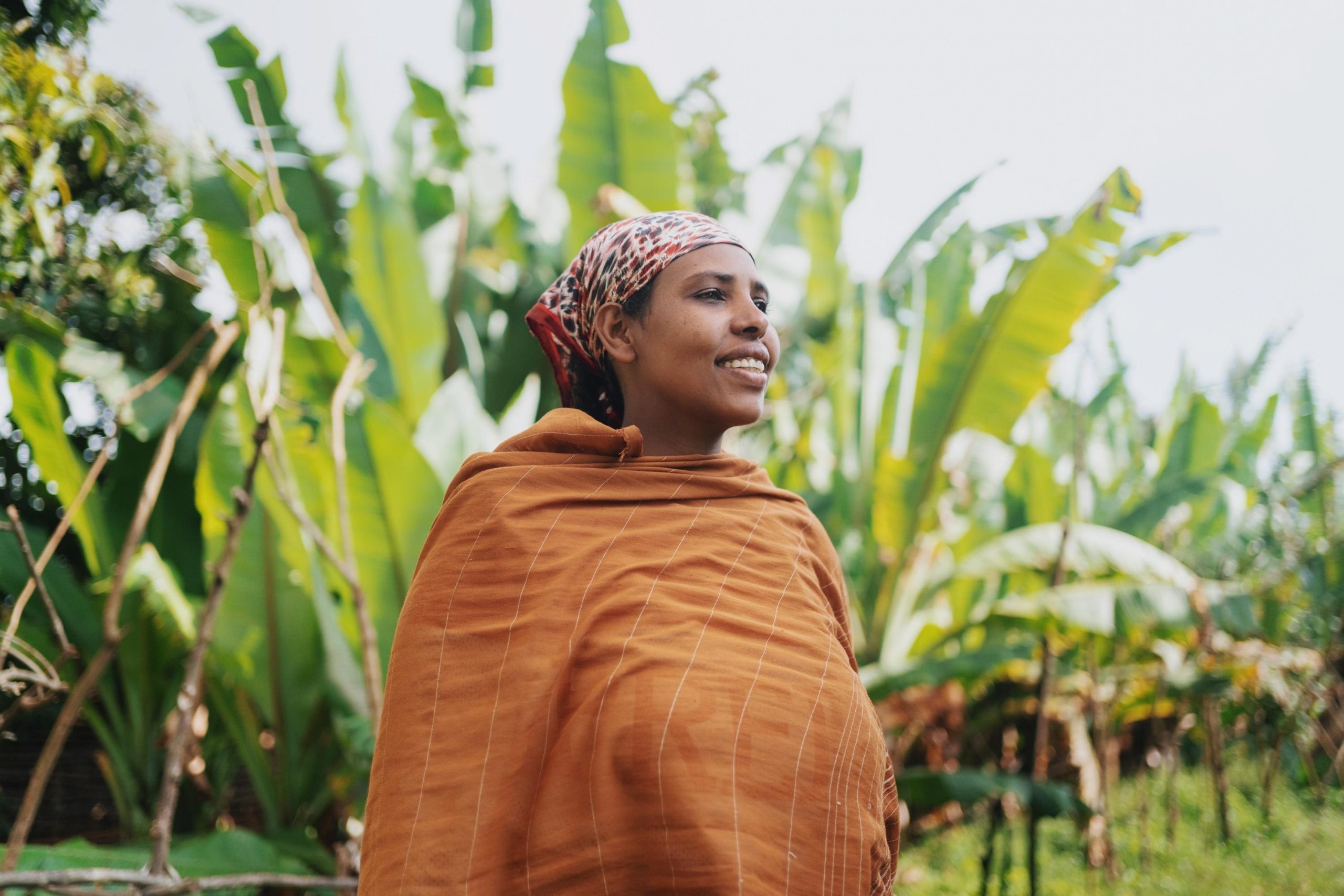
Together, we put an end to hunger.

Hunger is the biggest soluble problem in the world. For almost 50 years, The Hunger Project has been working with communities in Africa, South Asia and Latin America on a future without hunger, because we know it is possible.

0
people reached with our projects
0
villages reached
0
africa, South Asia and Latin America
OUR PILLERS

How we work.

Solving hunger is about much more than just food. It starts with the power of people. With resistance. And self-reliance. That is why we invest in people who act against hunger. Because they are closest to the problem and closest to the solution.

To achieve this great goal, we work with our proven effective approach and with 3 fixed pillars.

Women first
Women are the key to sustainable change. When given an equal position and access to the right resources, they create a better future for themselves and their entire community. That’s why we put women first.
People act themselves
We encourage hungry people to take action themselves for a better future. Through workshops and training, they develop their own vision and smart, local plans to implement them. They pass this new knowledge on to their environment and to the next generation. On the road to self-reliance. For change is not imposed from the outside, but arises within.
Smart collaboration with local authorities
Local authorities are closest to the people. It is their job to organise basic services such as health, nutrition and income. That is why we actively involve them in the development of communities. For example, village and district councils can work more effectively, women are more often involved in local decisions, and people with their new knowledge of local government can defend their right to basic services, such as health care, nutrition and education.
Changemaker

Progress begins with equal opportunities.

Roshni is chairman of Garhi village council in Madhya Pradesh. Education is the core of what she stands for. At home she had to deal with patriarchal relations, and at school with exclusion. When she dropped out after high school, there was no obvious support for further learning.

As a councilman, she’s committed so that all children can go to school, and girls in particular. With money from the village council she started free tutoring, and wants to organise career guidance to help young people on the road.

Her work as a female councilman doesn’t go without a fight. There is still resistance to women in leading positions. Roshni sees it up close: Sometimes a woman is official president, while her husband actually does the job. She herself remains at the forefront. “As long as not one woman steps forward and does the work, no other woman can follow her example,” she says. “That’s why female leadership is needed.”

Themes you can contribute to.

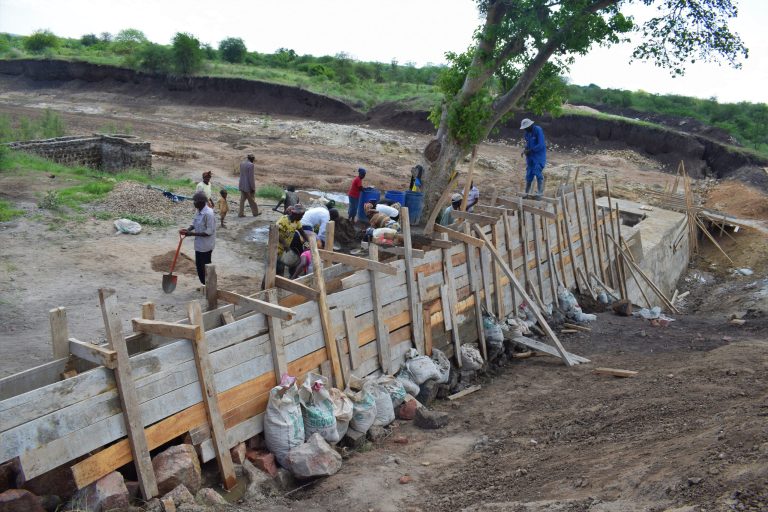
Hungry never has one cause. For example, poverty, inequality, unsafe water and poor health care play an important role in the emergence of hunger. That is why we are working on all the causes of hunger at the same time.
Gendergelijkheid.

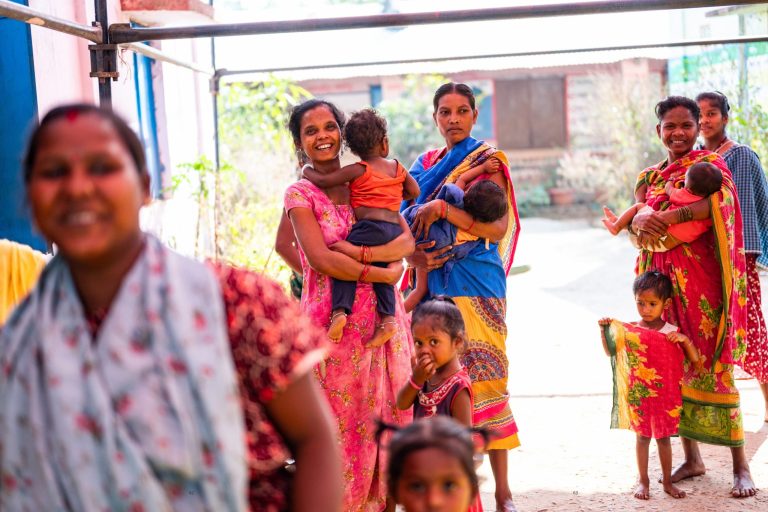
Vrouwen spelen een sleutelrol in het voeden van hun gezin en gemeenschap. Toch hebben ze lang niet altijd dezelfde kansen als mannen. Dat willen we veranderen, want als vrouwen vooruitgaan, gaat iedereen erop vooruit.

Klimaatweerbaarheid.

Droogte, overstromingen, een mislukte oogst: boeren op het platteland krijgen de klappen van klimaatverandering als eerste te voelen. We werken samen met hen aan kennis en technieken om dat hoofd te bieden.

Mens en Natuur.

Gezonde ecosystemen zorgen voor vruchtbare bodems en stabielere oogsten; als natuur verdwijnt, wordt voedselproductie kwetsbaarder. Daarom werken we samen met onze partners rondom natuurgebieden. Zodat mens, dier en natuur samen kunnen floreren.

Voedselzekerheid.

Genoeg en gezond kunnen eten begint bij toegang tot land, water, inkomen, tijd, en kennis. We werken samen met kleinschalige boeren aan betere oogsten, gezonde voeding en het bewaren van voedsel voor periodes van schaarste.

Vreedzame gemeenschappen.

Voedselzekerheid en vrede gaan hand in hand. Veel conflicten ontstaan doordat basisbehoeften als water, land en voedsel te lang onvervuld blijven. Daarom bouwen we samen met gemeenschappen aan een stabiele basis, van binnenuit.

Water wins in Malawi, Benin and Burkina Faso.

Female leadership in Odisha, India.

Peaceful communities in Uganda.

Human and Nature in Ethiopia.

Economic independence in Ndoyene, Senegal.

Combating poverty around Zinave National Park.

Around Zinave National Park in Mozambique we are working on a better future for humans, animals and nature.

Lees meer

Poverty reduction around Nyika National Park.

Around Nyika National Park in Malawi we are working on a better future for humans, animals and nature.

Lees meer

Combating poverty around Majete Wildlife Reserve.

The Hunger Project in 13 countries.

The Hunger Project works worldwide in 13 different countries. Click on the map to see where we are active and what we are doing.

Water wins in Malawi, Benin and Burkina Faso.

Gendergelijkheid. Klimaatweerbaarheid. Voedselzekerheid. Benin Burkina Faso Malawi

Female leadership in Odisha, India.

Gendergelijkheid. Klimaatweerbaarheid. Voedselzekerheid. India

Peaceful communities in Uganda.

Gendergelijkheid. Voedselzekerheid. Vreedzame gemeenschappen. Uganda

Human and Nature in Ethiopia.

Gendergelijkheid. Klimaatweerbaarheid. Mens en Natuur. Voedselzekerheid. Ethiopië

Economic independence in Ndoyene, Senegal.

Gendergelijkheid. Klimaatweerbaarheid. Voedselzekerheid. Senegal

Combating poverty around Zinave National Park.

Gendergelijkheid. Klimaatweerbaarheid. Mens en Natuur. Mozambique

Poverty reduction around Nyika National Park.

Gendergelijkheid. Klimaatweerbaarheid. Mens en Natuur. Voedselzekerheid. Malawi

Combating poverty around Majete Wildlife Reserve.

Gendergelijkheid. Klimaatweerbaarheid. Mens en Natuur. Voedselzekerheid. Malawi
No results found.