Call: An honest food system that works for everyone.

October 14, 2026

A world without hunger is a task for all of us. For hunger is a soluble problem, and yet up to 828 million people are hungry. The Hunger Project and the partners of the World Food Day Show call for better, fairer, sustainable and more inclusive choices. To structural solutions. And to an honest food system that works for everyone.

During theWorld Food Day Show On 17 October in Pakhuis de Zwijger, Annelies Kanis of The Hunger Project made this plea in a slightly modified form, partly on behalf of Right2Grow, Cordaid, Save the Children, World Vision, Woord en Daad, Oxfam Novib, Max Foundation and WWF-NL.

Food is the basis.

Up to 828 million people live with hunger. That’s a staggering number. It’s 1 in 10 people. Because of that huge scale, we can almost forget what it’s really about. And what living with hunger means. How this fundamentally affects people’s daily lives. And that it swallows up all their thinking space, time and energy. Because eating is the basis for everything.

The bad news is that More and more people are hungry. This is mainly due to conflicts, biodiversity loss, climate change and rising food prices. But that’s not the whole story. Because hunger isn’t new. We know that most of those 828 million people live in chronic hunger. They’re hungry every day. Year after year. Generation after generation. And we also know the cause: poverty and inequality.

Hungry is soluble.

The good news is, there’s no need to starve. It is not an inevitable fact and we do have an influence on it. As all UN countries tackled poverty and inequality, the number of people with hunger fell sharply between 2000 and 2015. That shows that hunger is a soluble problem. It is a huge task and certainly not easy, but if we all choose it and act accordingly, then we can turn the tide.

This calls for structural solutions. Emergency aid is certainly necessary in case of disasters or acute food crises. But more is needed. This does not automatically mean that we need to produce more food. Because there’s already enough food in the world for everyone. We produce enough. But there are fundamental looming errors in our food system, so not everyone has access to the available food. Either people do not have enough to eat, or they have too one-sided food: especially many cereals and starch and too little fruit and vegetables.

But how is it supposed to be?

And how can we make better, fairer, more sustainable and more inclusive choices, which are good for everyone? We recommend three actions:

Different choices.
We have to make other choices in the way we produce, transport and consume. Our current food system essentially focuses on maximum short-term profit, not long-term sustainability. It’s time to do something different. There are several ways we can do that. On the basis of ecological principles, precisely high-tech or a combination of them. We opt for more based on agroecology. We have to produce within the ecological limits, because we only have one Earth.
Customization.
Whichever solution we choose, we have to rely on local and context specific solutions. It’s not one size fits all, this is customization. A very small selection of many examples of what this looks like in practice:

Small-scale farmers share knowledge of how they naturally produce food, prevent food waste and increase their harvest, for example by using organic manure, rotation crops or growing local cereals.

And we are stimulating innovation that simultaneously enables farmers to take the lead in processing and marketing their products, so that there is a local resilient food system and reduces dependence on food imports.
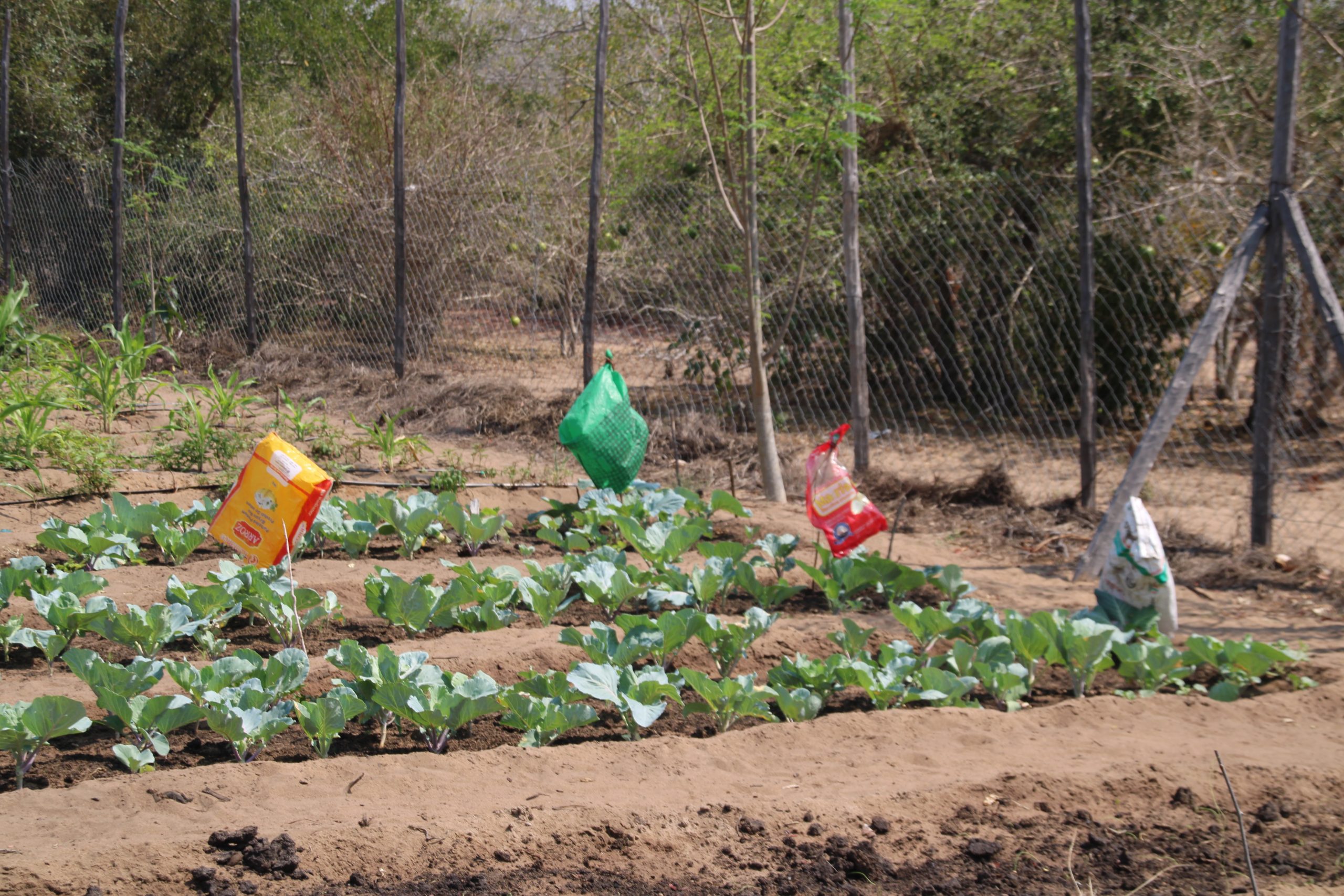
Local solutions.
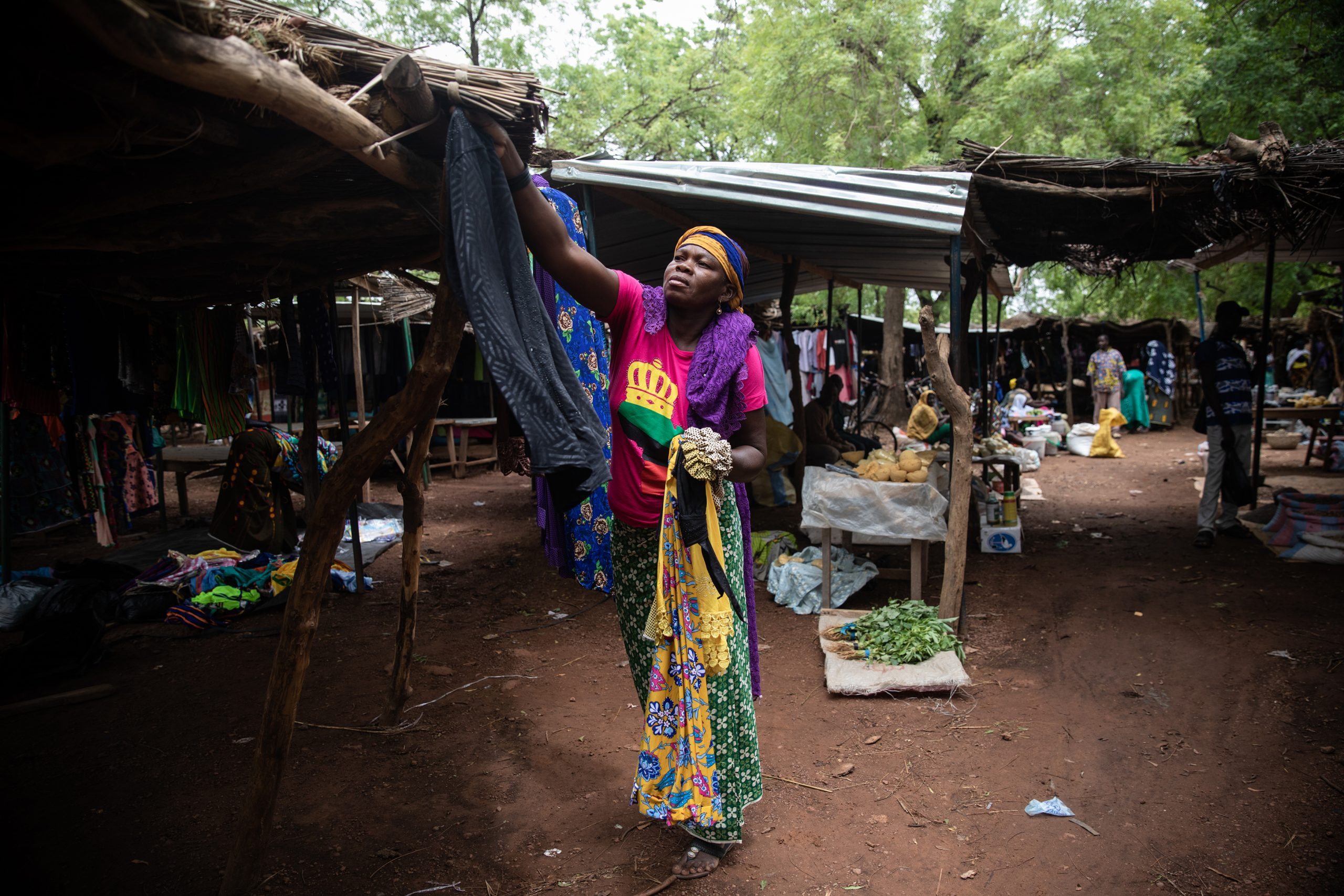
We cannot dictate from here how to do things there. There’s plenty of knowledge and skills locally. We must support and scale up these local successes and initiatives. Local farming and indigenous communities and civil society organisations deserve a place at the table where decisions are made.

Photo: Sophia Garcia

A task for all of us.

Ending hunger and malnutrition is a task for all of us. For the hungry themselves, who can shape their own solutions. For the World Food Day Show partners, together with local organisations. For the Ministry of Foreign Affairs and Dutch politics. For business. And for all of us. We all have that choice.

Role for politics.

That’s how we need politics. We want our call for better, fairer, sustainable and more inclusive choices to be heard in The Hague. Policy makers can ask Minister Adema and Minister Schreinemacher for solutions to poverty reduction. And they can ask for a resilient, fair and sustainable food system to be the basis for Dutch trade and agricultural policy. Because we can’t get there with just development cooperation.

In order to eradicate hunger, a well thought out and coherent policy is needed. This means that the foreign minister’s food security policy must not be undermined by trade, investment or economic policies, for example, which can increase inequality at the same time. It also means that the Netherlands must take an international lead in the transition to sustainable and inclusive food systems, for example by obliging companies operating internationally to comply with human rights and environmental standards. Politicians can choose to stand for this.

Anyone can have influence.

And we need you, the reader, too. Anyone can have influence, with your voice and your wallet. For example, you can choose to look critically at what you put in your basket on your next visit to the supermarket. Or to go to the supermarket at all, but to support local entrepreneurs and food producers. To choose seasonal products more often, not to throw away food. But also by speaking out, talking to others about food and its distribution. And take all this into your consideration, the next time you go to the ballot box.

An honest food system is possible.

We’re not gonna make a difference on our own. Not as a consumer alone, as a brave sustainable entrepreneur, or as an NGO. But together we can definitely make a difference. Instead of being able to do it, we think together we can do it. For a world without hunger: Yes, you can.

Join in

Together, we put an end to hunger.

The Hunger Project, with nearly 50 years of experience and programme achievements in 13 programme countries, shows that the end of hunger is feasible. The approach varies from country to country, because the circumstances also differ. But everywhere people with hunger are at the centre: they are carrying the solution. Hungry is fixable, and we do it together. You too can be part of the solution. With your support, millions of people in various places in the world are working on a future without hunger.