Poverty reduction.
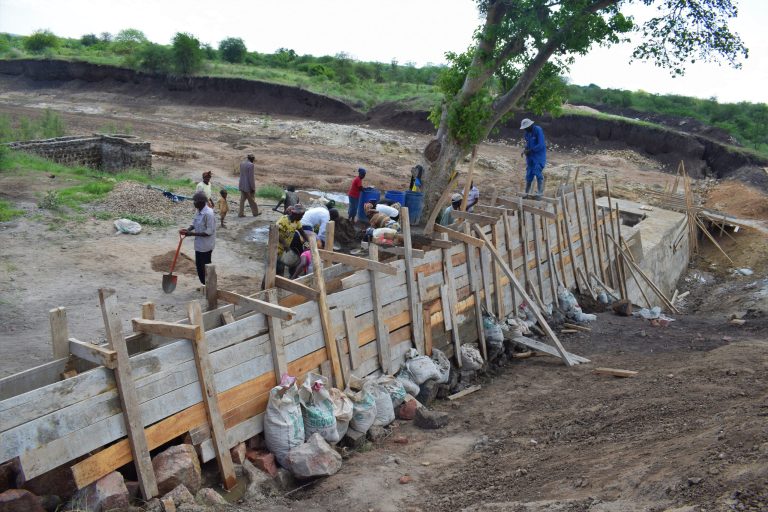
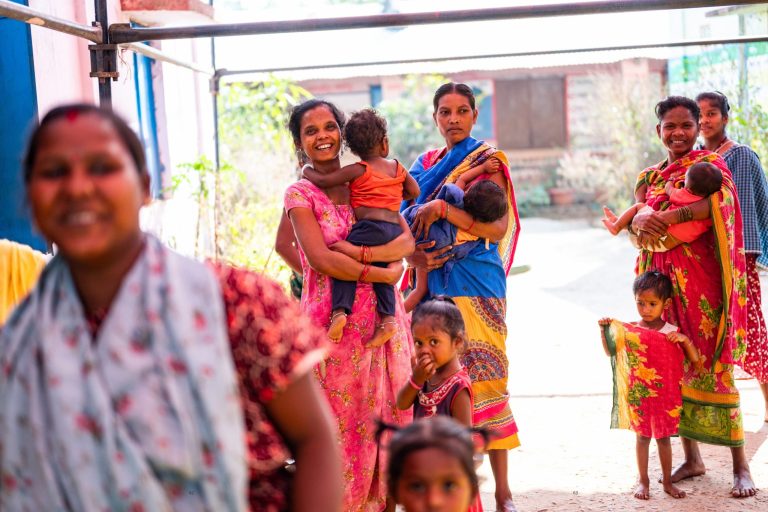
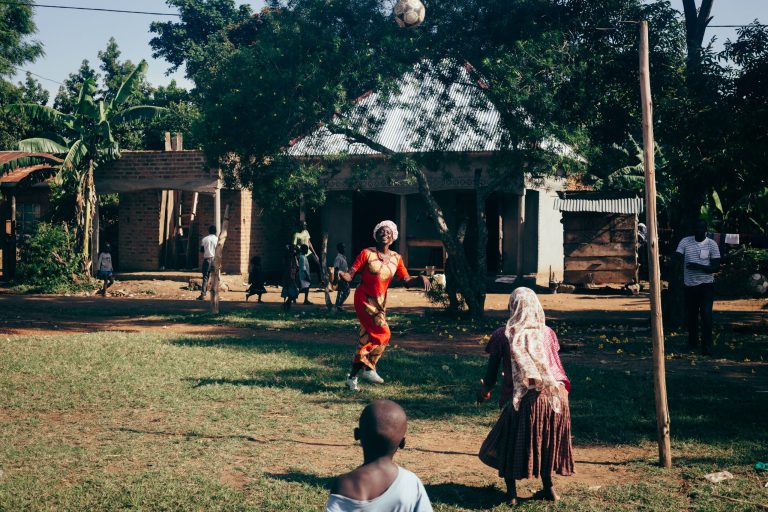
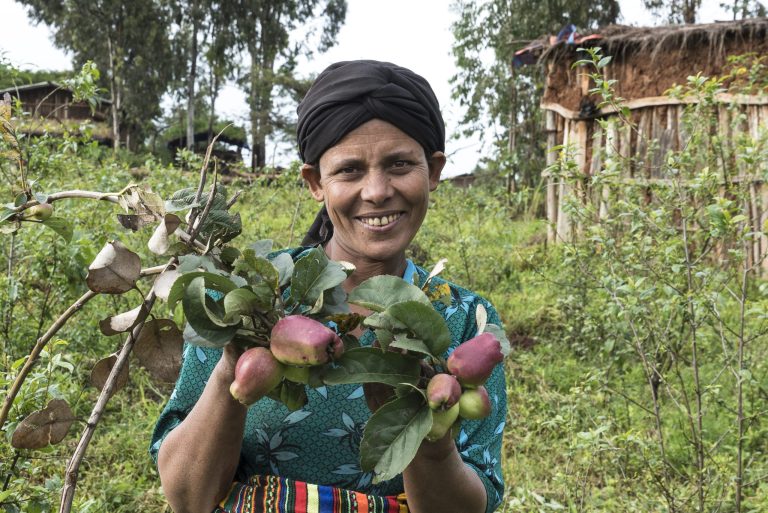
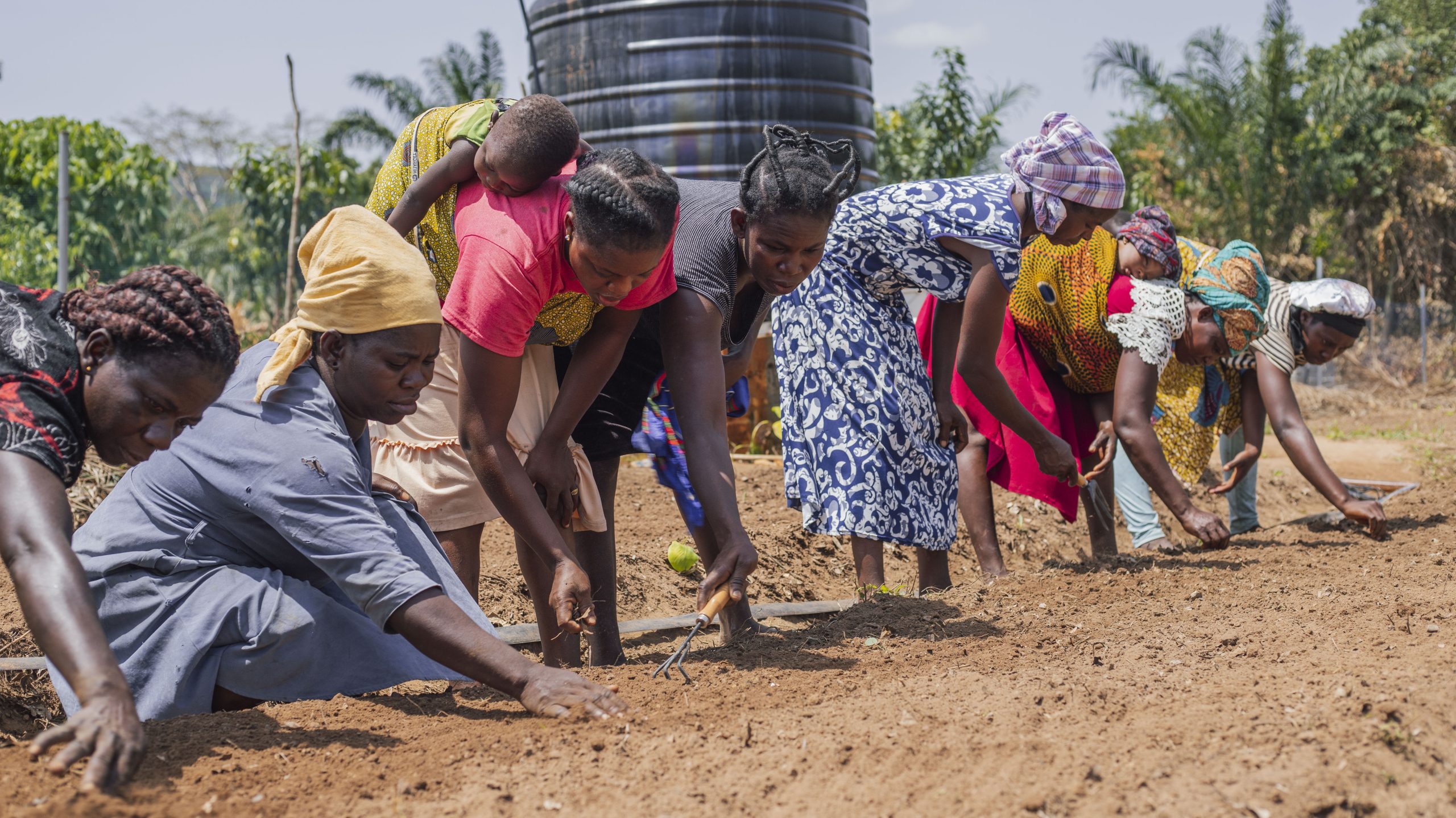
The Hunger Project The Netherlands focuses on the poorest areas in rural areas. There people are in a vicious circle of poverty and hunger. We do not offer temporary solutions such as food aid, but support communities so that they can improve their own conditions for a lifetime. With a broad, holistic approach, we break this circle.
In the north of Senegal, we are working on strong, resilient communities, with women and young people first. Around protected nature areas in Malawi and Mozambique, poverty reduction and conservation go hand in hand, so that humans, animals and nature can flourish together. Everywhere: change only happens when people with hunger themselves carry the solution, from within.
This is how we tackle the causes of hunger at the root. Because there’s enough food for all of us and everyone deserves a place at the table. Discover below how our projects work, and how you can participate.
Our projects in poverty reduction.
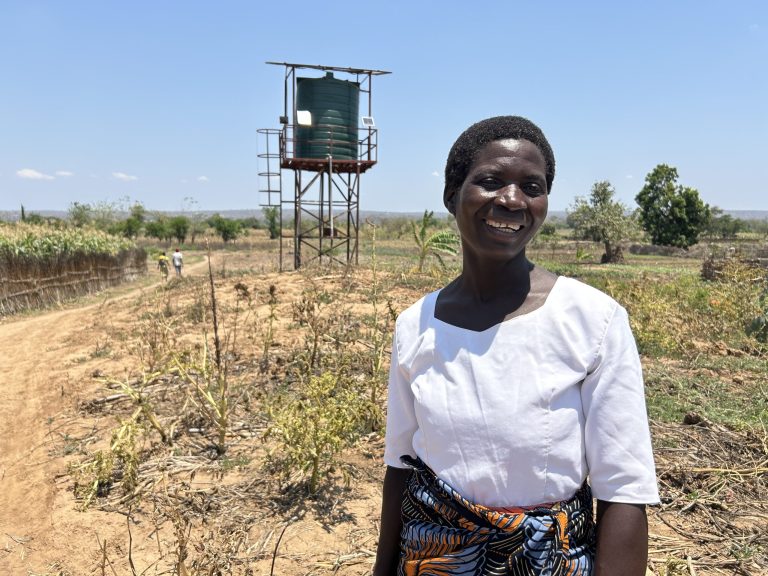
Since 2011, The Hunger Project has been working on the Majete Wildlife Reserve in Malawi. This is a protected natural area of 700 km2 in southern Malawi. About 60,000 people live around the nature park. The area was for a long time remote and difficult to reach.
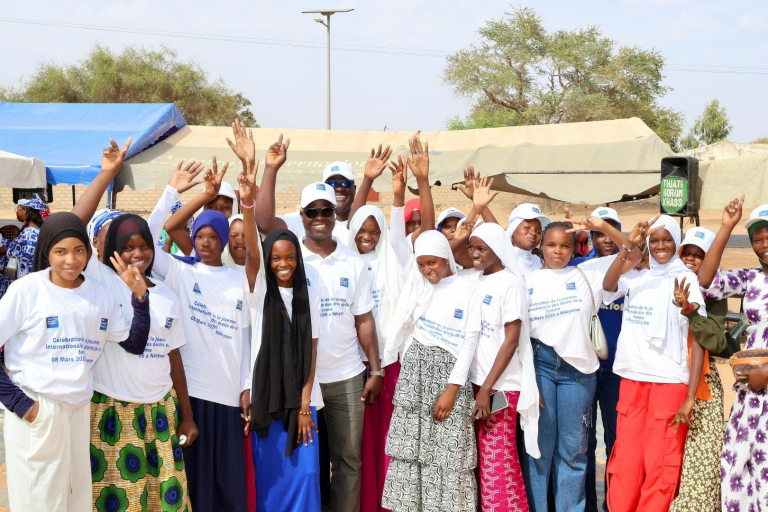
In the municipality of Ndoyene, in northern Senegal, the land is dry and the water is scarce. Most people live on what they grow, but the rain has become unreliable and harvests are increasingly disappointing.
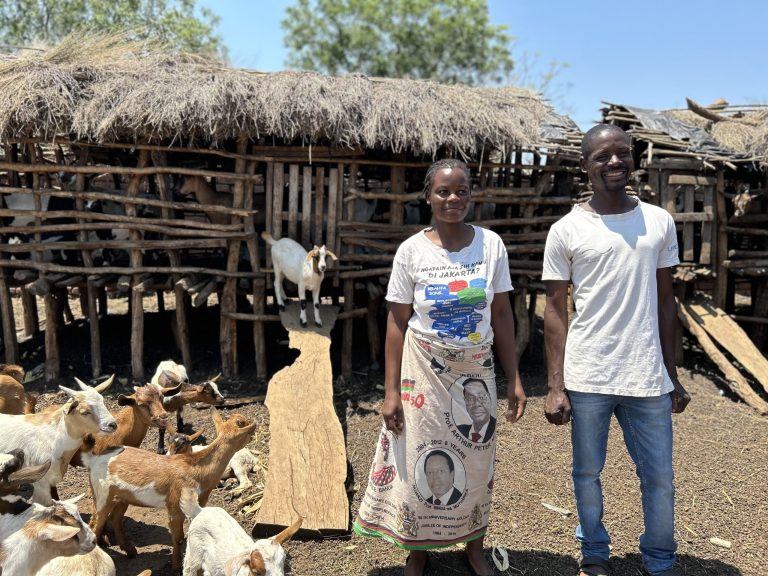
In 2025, The Hunger Project started a challenging project around Nyika National Park and Vwaza Marsh Wildlife Reserve. Animal species in nature parks are protected by nature conservation organisations, but thousands of people live in extreme poverty around the parks.
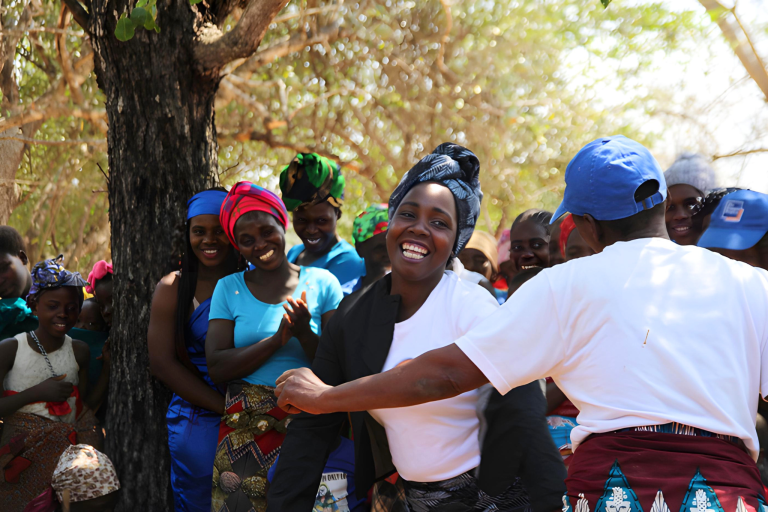
In 2021, The Hunger Project together with Peace Parks Foundation started a challenging project around Zinave National Park in Mozambique. The wildlife park works hard to protect different species, but the people living in the villages around the nature reserve live in great poverty.