Our approach.
That’s how we work on a world without hunger.
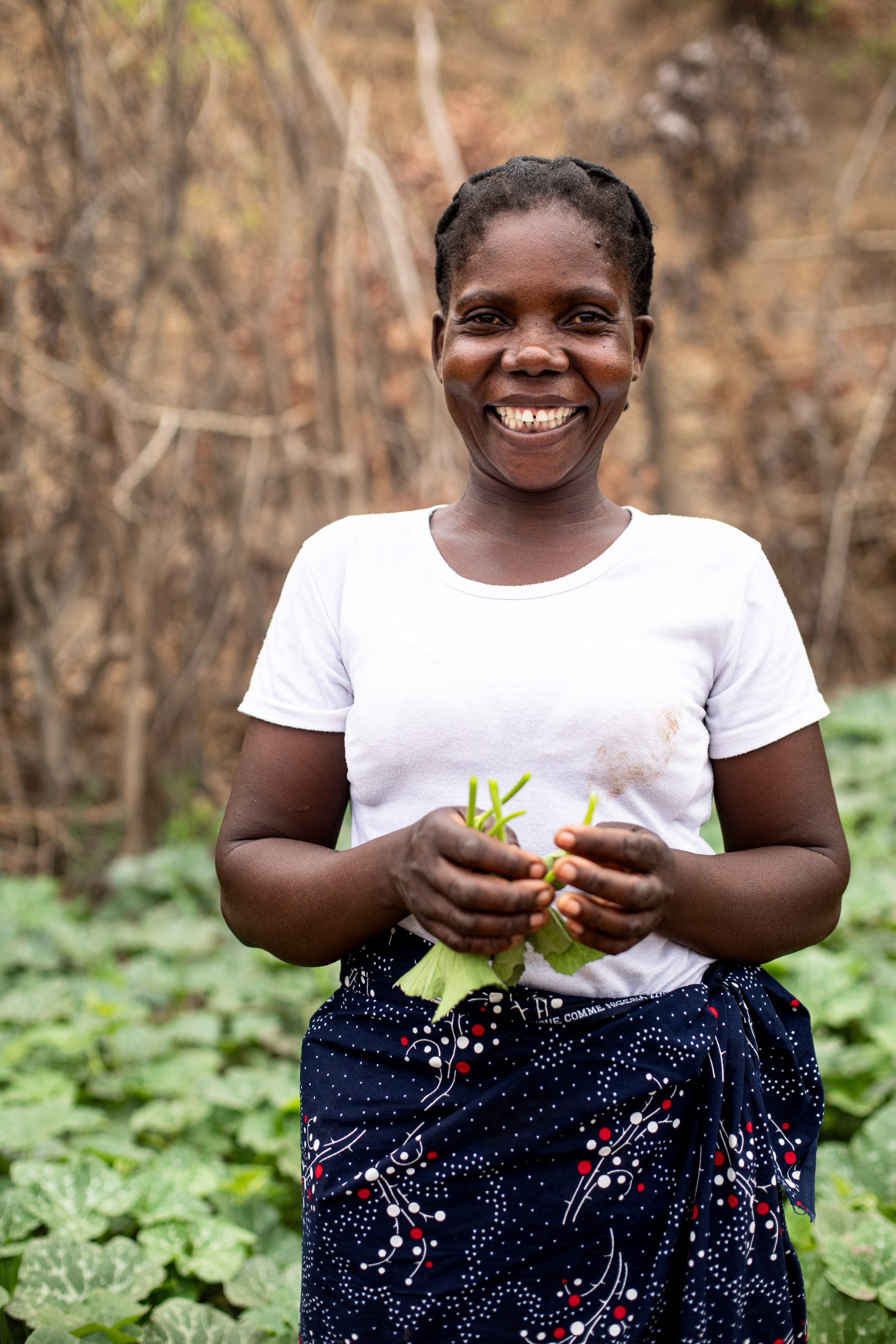
The Hunger Project Netherlands has been working on a world without hunger for over 45 years. In all these yearsWe saw over and over again that chronic hunger is more than a lack of food. It has never had one cause, and therefore no solution. Hunger is the result of a mix of poverty, inequality, lack of education, limited healthcare, climate change and conflict. That makes our work more than a response to hunger. It is combating poverty in the wider sense of the word. That is why we are not only tackling the lack of food, but at the same time working on several themes: food and income to female leadership, good local governance and access to basic services.
Our themes.
On the road to self-reliance.
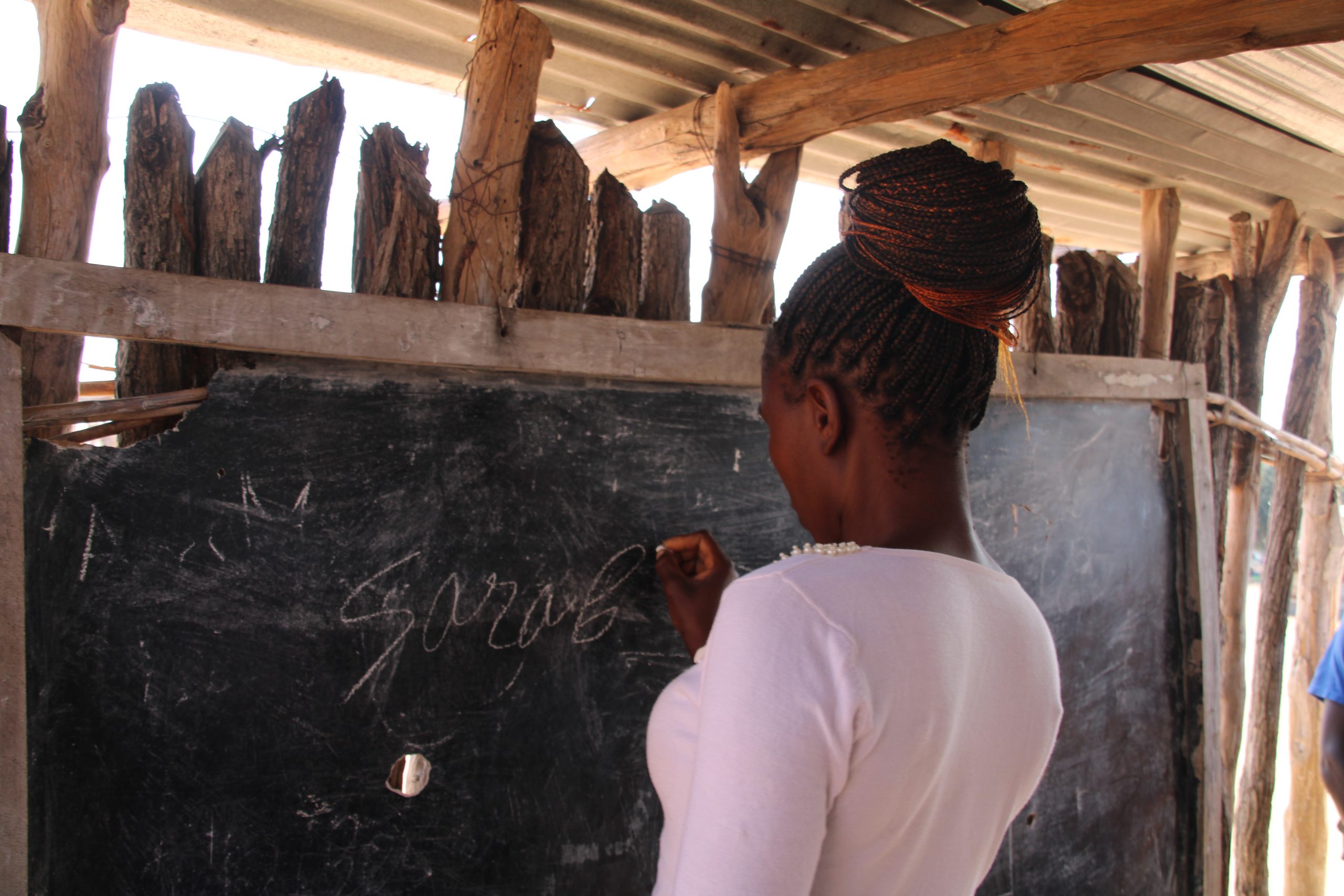
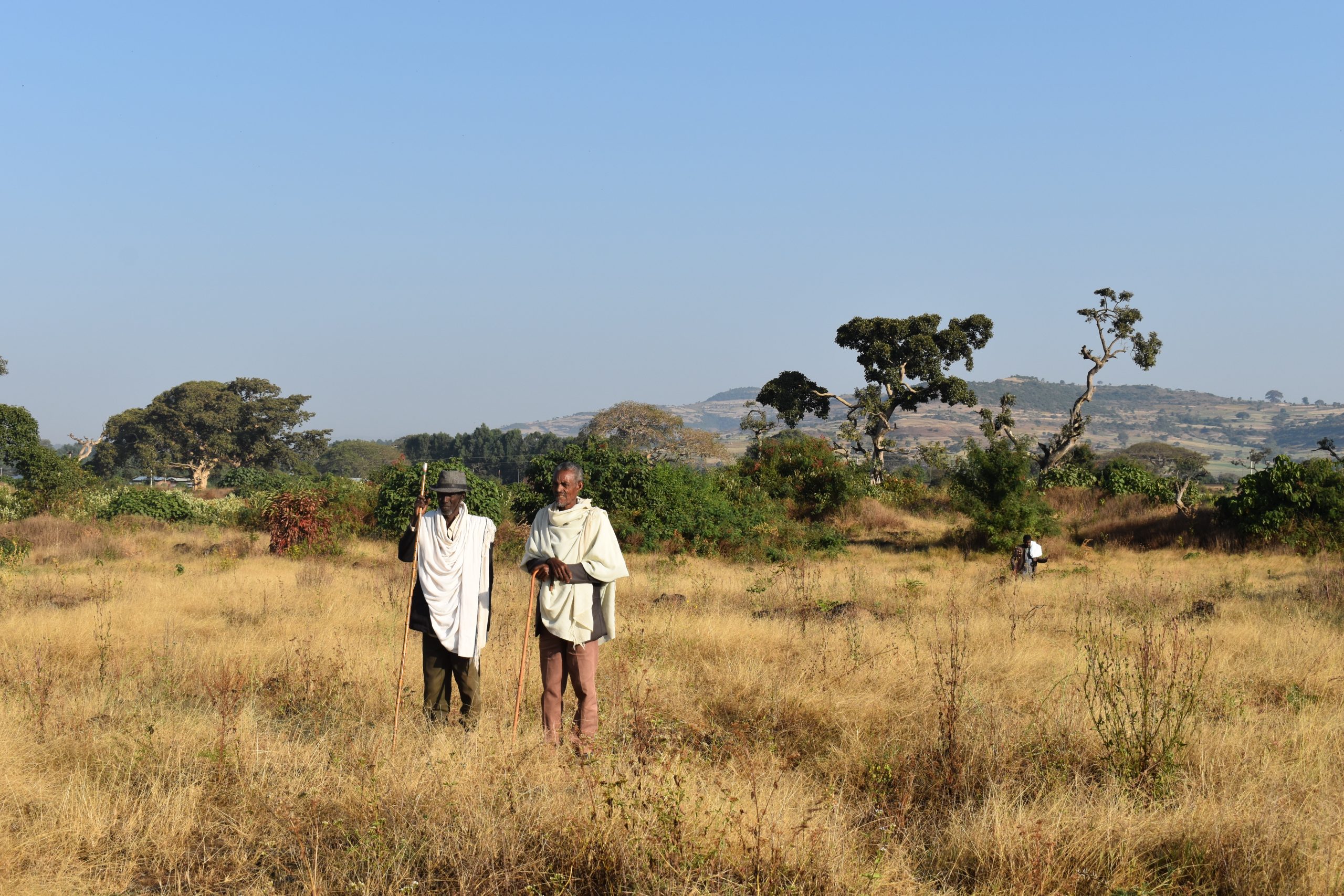
Permanent change is not imposed by others, but comes from people themselves. That’s the core of community-led development: communities set the goals themselves, set the approach, and build a life without poverty and hunger step by step. They set their own goals and apply local solutions that suit their circumstances. The Hunger Project walks with them patiently on the sidelines, offering training and guidance whenever they need it. Because if people themselves know how to improve their future, our support is no longer necessary. And that is our goal: self-reliance.
The steps we take.
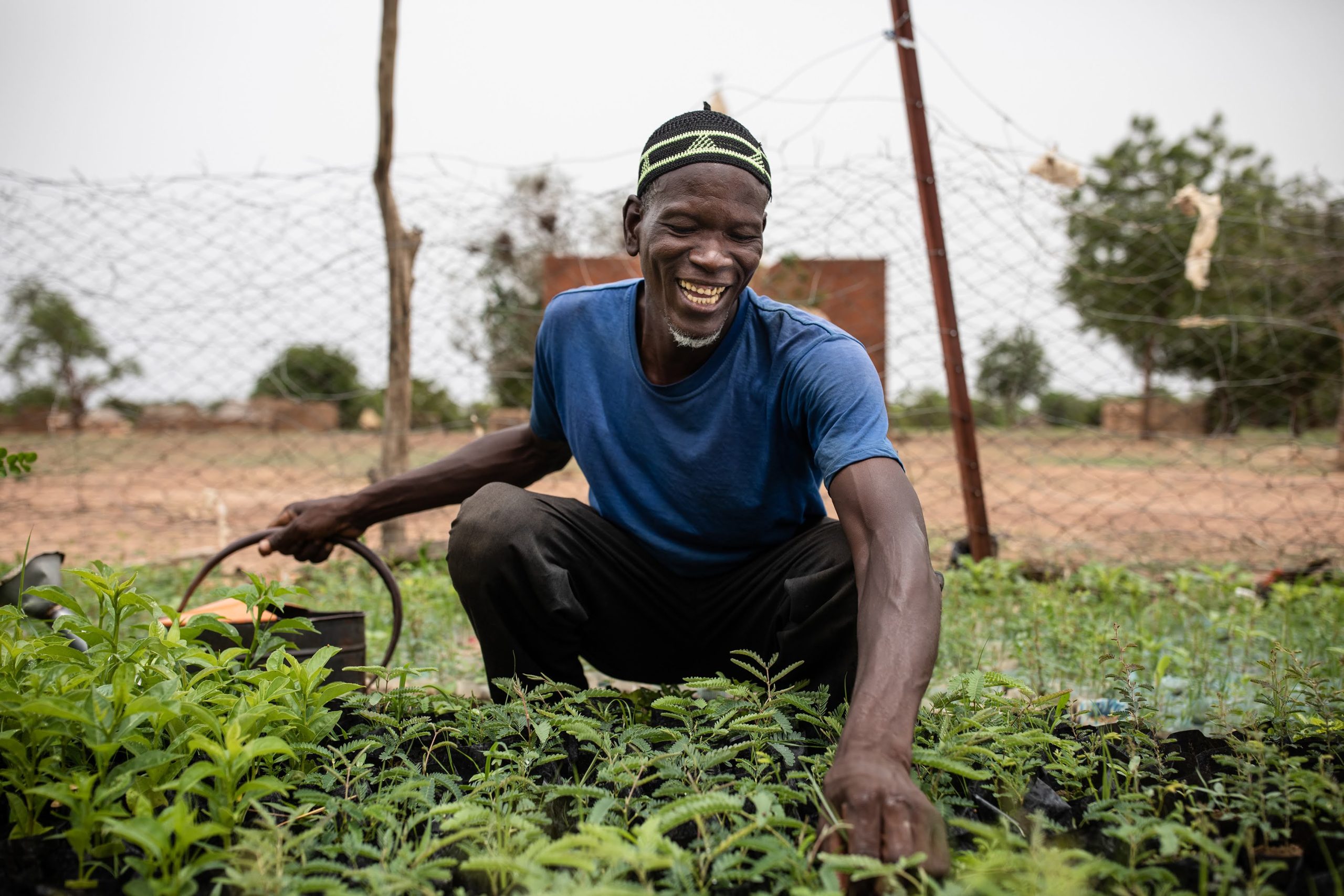
With our unique approach, we work with a community step by step towards their self-reliance. We start with a joint plan, and work through concrete actions and local organisations to a situation where the community itself can move forward.
Road map.
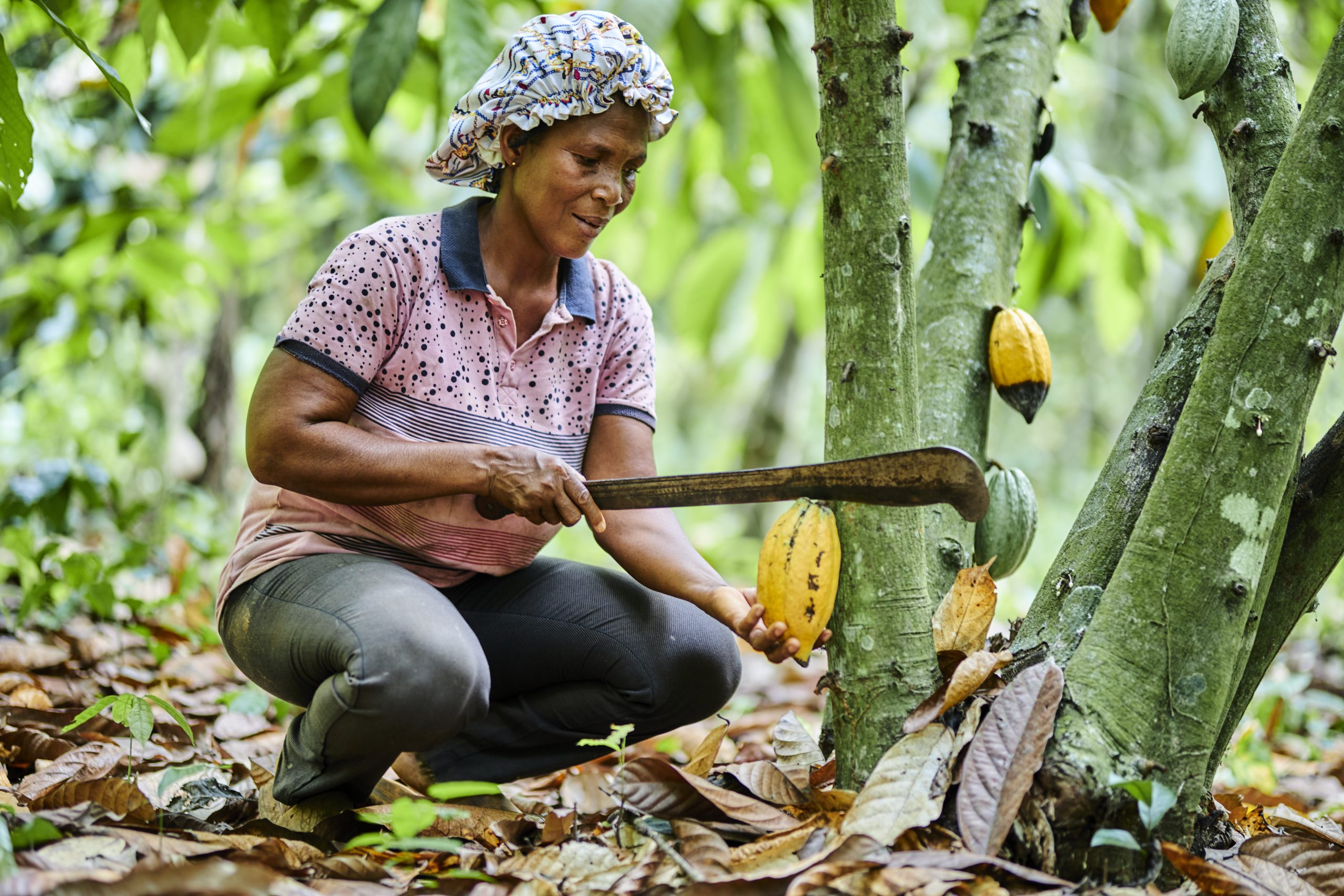
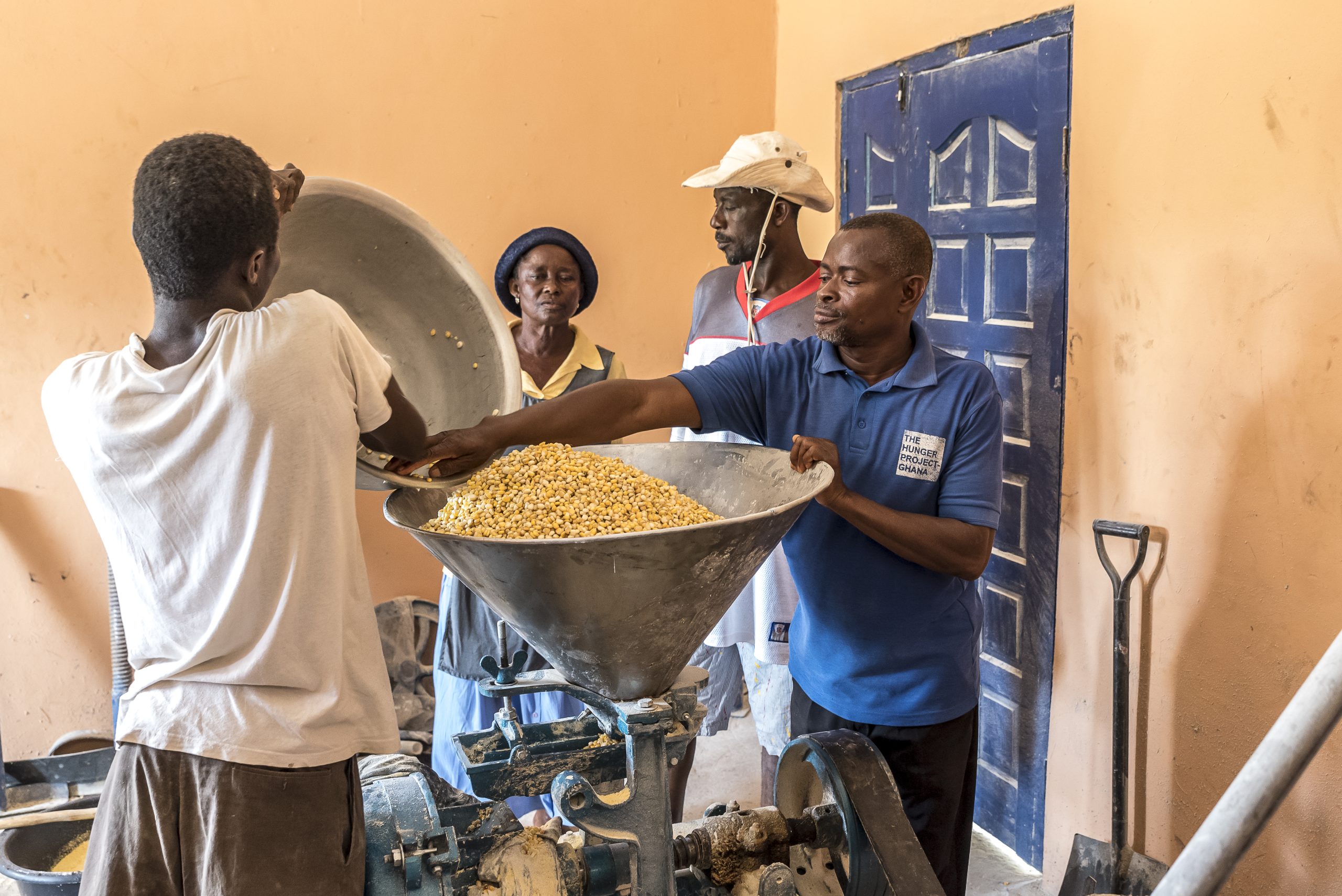
Our strategy can be seen as a roadmap. All that is needed to achieve self-reliance: education, good nutrition, access to care, entrepreneurship, financial management and leadership are part of this route. Every community, we look at what it takes to end hunger. What are their challenges? What’s going on? Sometimes we go through the whole route, and sometimes only a part. And sometimes we put extra emphasis on one theme, likefor exampleways to earn an income,or climate-resistant farmers.When we need more expertise on a particular theme, we look for cooperation withother organisations.This way we always join the local reality and increase our joint impact.
Our pillars.
In every programme, in every country, we focus on three things that are crucial to a lasting end to hunger:
Female leadership.
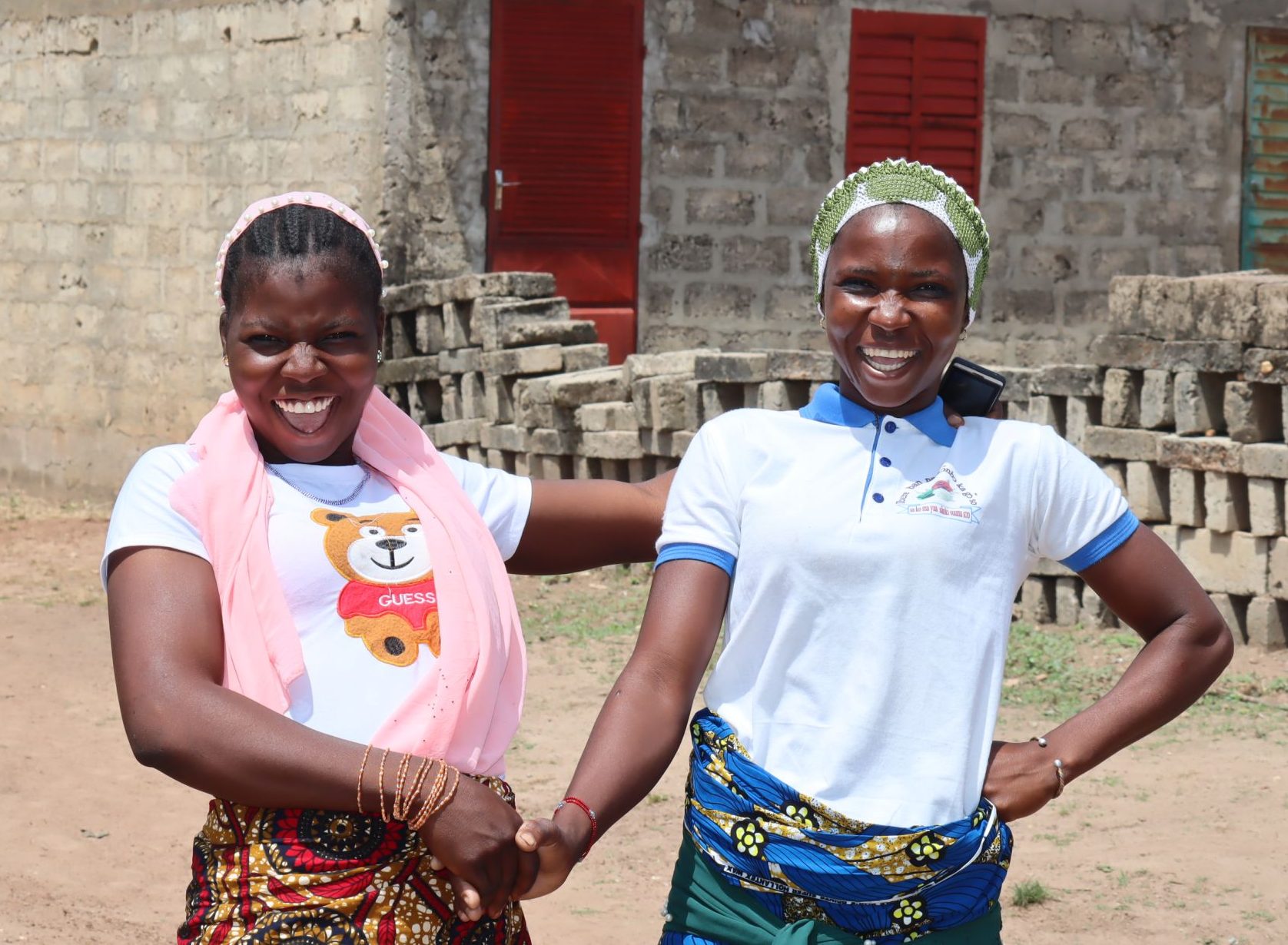
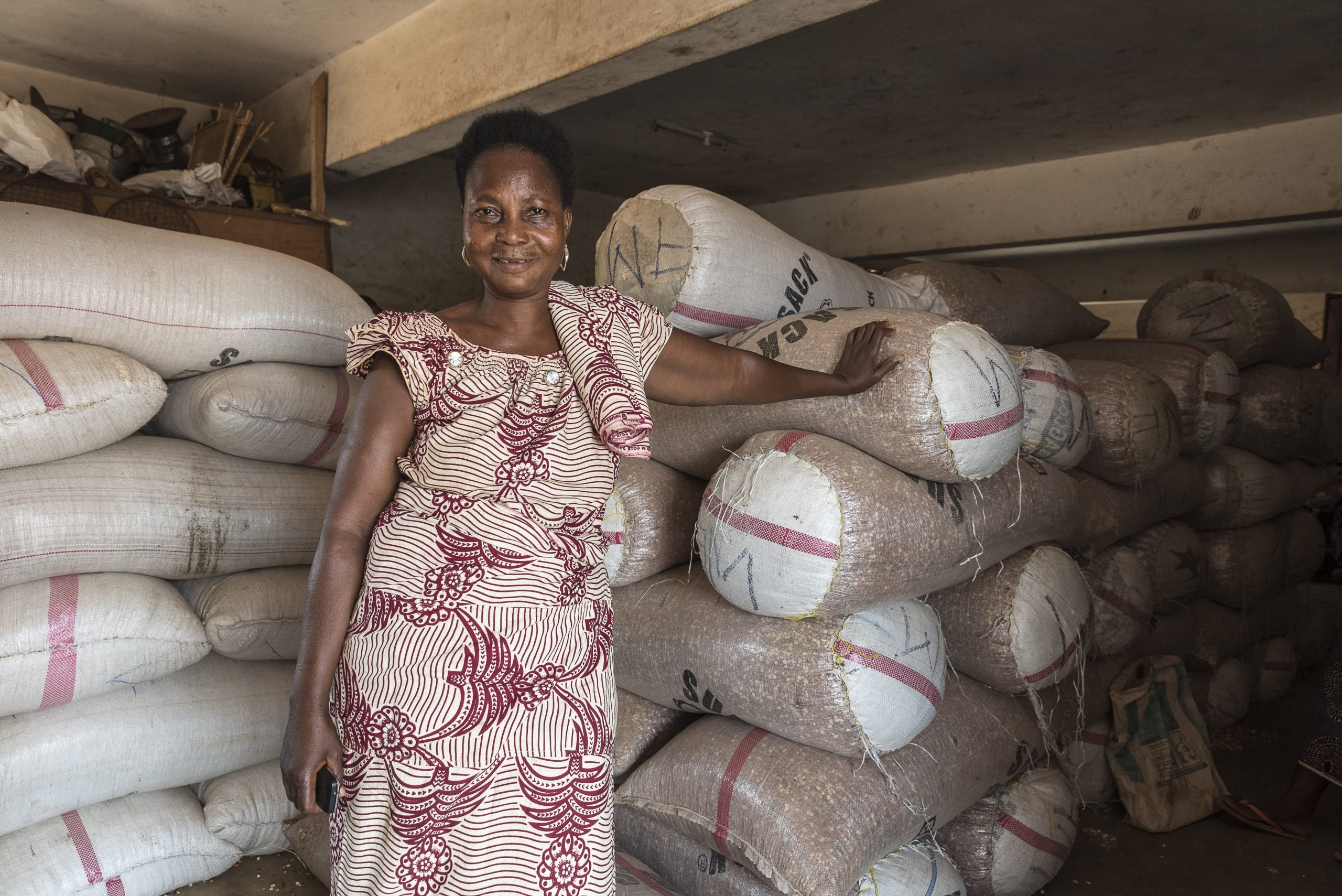
We invest in women’s capabilities, voices and economic positions, so they can participate in decision-making and contribute to solutions in their community. When women get space and resources, the food security, health and future of whole families and villages improve.
People act on their own.
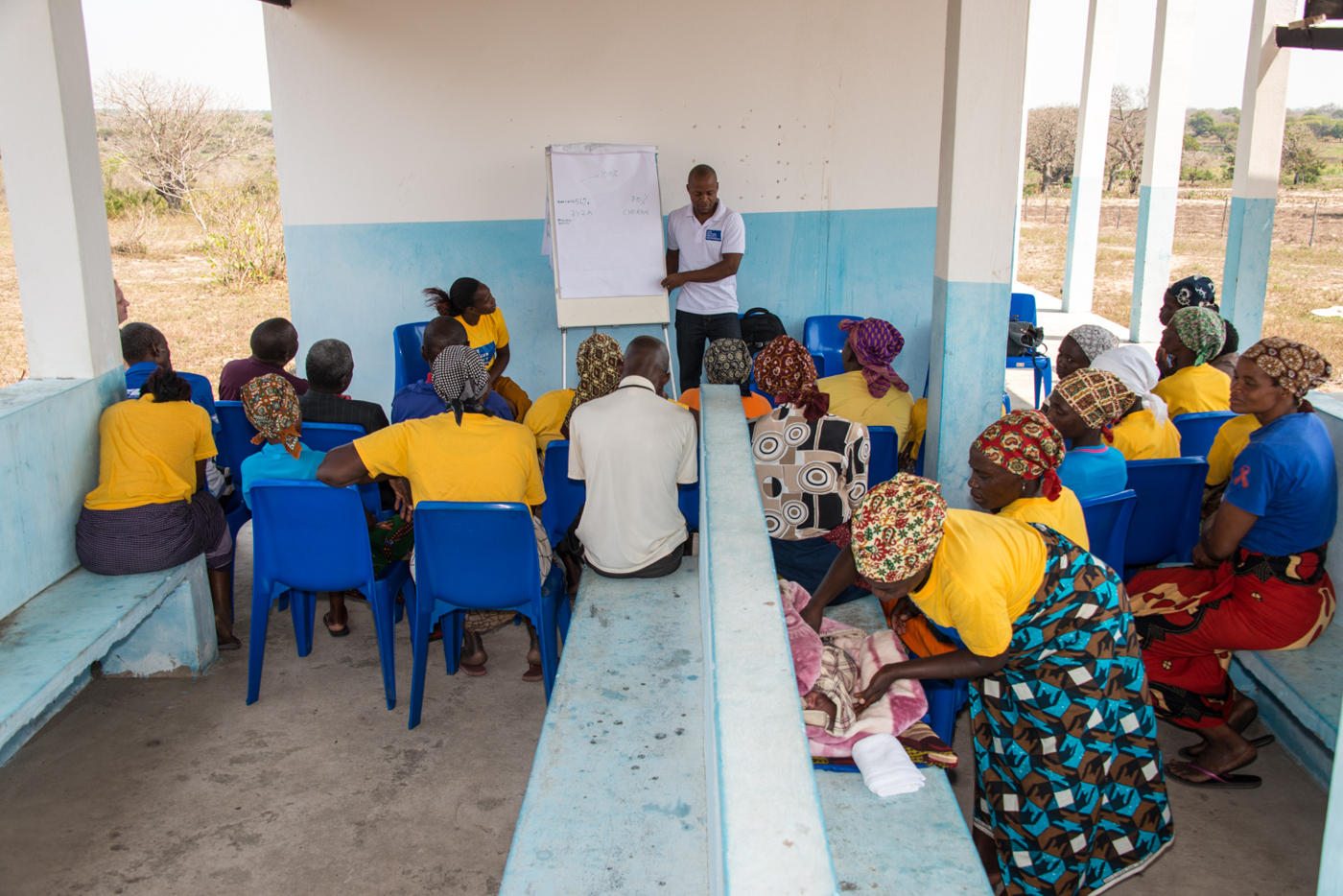
We make people act themselves: Through training, workshops and practical tools, they learn to make and implement their own plans.
Smart collaboration with the local government.
A community will only continue to progress if basic provisions, rights and services are properly regulated. That is why we work closely with (local) governments. So that agreements, budgets and policies are in line with what is needed and the community knows how to make her voice heard.
Together, we put an end to hunger.
When people take control of themselves, there is a lasting end to hunger and poverty. Is that possible for you?