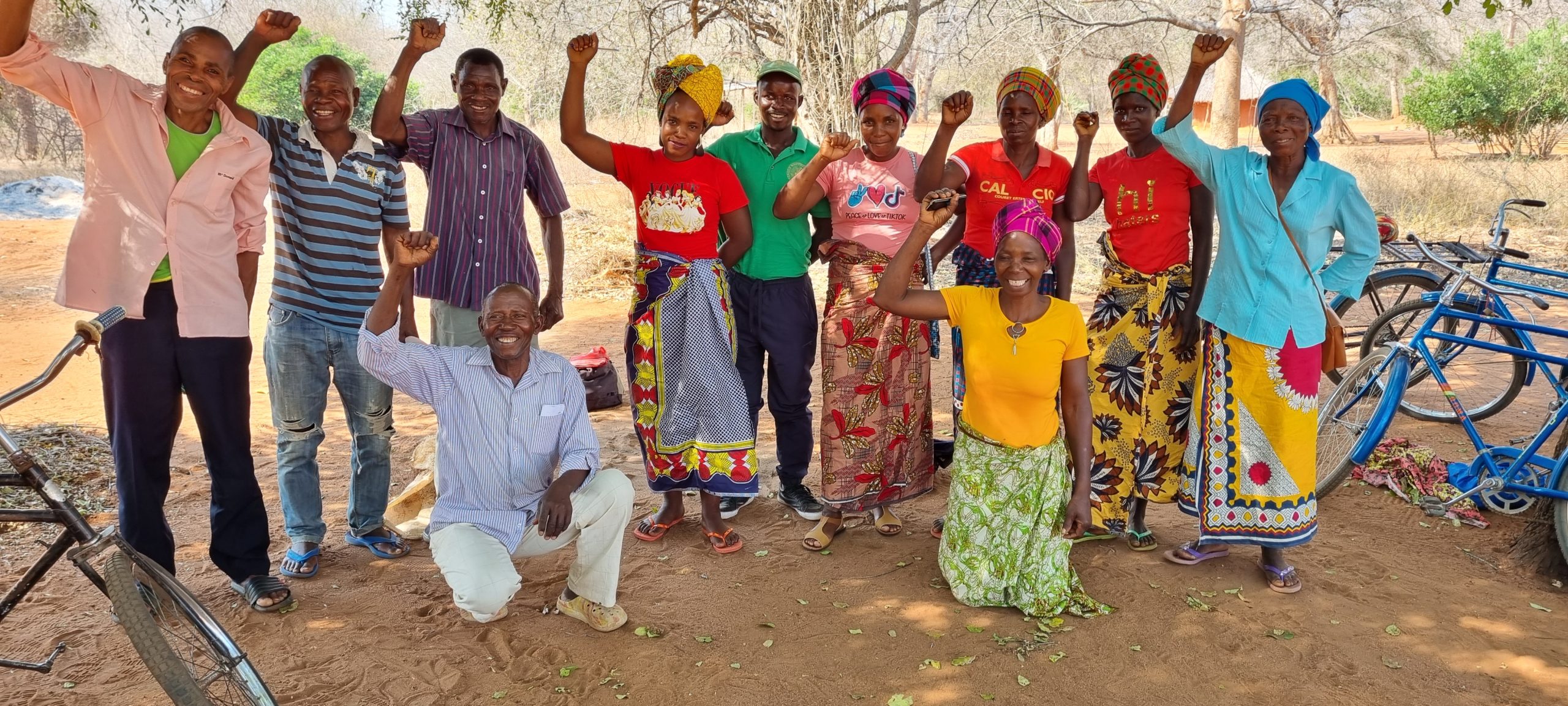
Our impact
Hunger is not just caused by a shortage of food. It is often the result of inequality, poverty and a lack of opportunities. That’s why The Hunger Project with communities in Africa, South Asia and Latin America is working on lasting change. Not by imposing external assistance, but by giving people the knowledge, resources and organisational power to shape their future. The path to a world without hunger is still a long one, but with the commitment of thousands of communities, important steps have already been taken and lives are being changed sustainably.
Our range.
Themes on which we impact.
Hungry never has one cause. For example, poverty, inequality, unsafe water and poor health care play an important role in the emergence of hunger. That is why we are working on all the causes of hunger at the same time. Below you see a selection of the impact we make per theme.
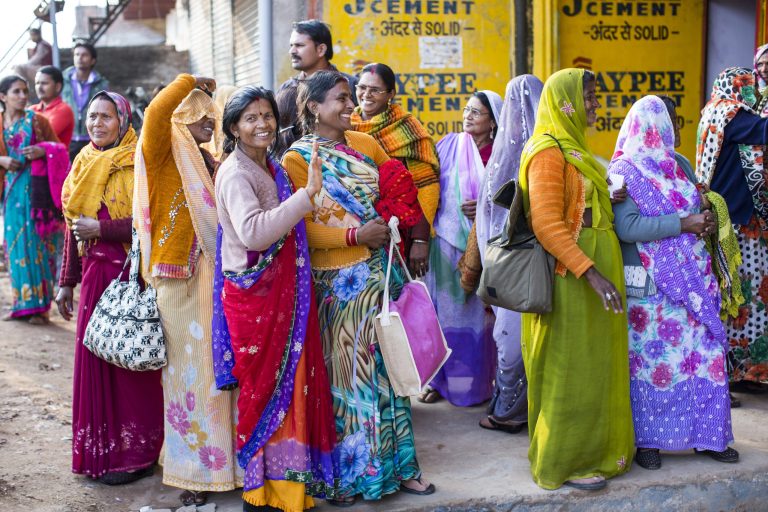
Women play a key role in feeding their families and communities. Yet they don’t always have the same chances as men. That is why we strengthen the position of women.
- Leadership training strengthens the voice and public role of women in their community.
- Access to financial services such as savings and borrowing increases the economic autonomy of women.
- Dialogue sessions with men shift who makes the family decisions.
- Campaigns against violence against women make the topic open to discussion in the community.
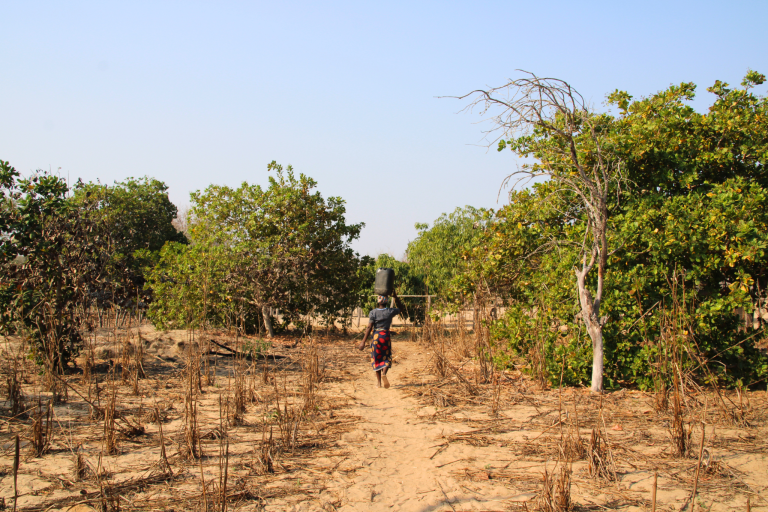
Drought, floods, failed harvests: rural farmers are the first to be affected by climate change. We work with them on knowledge and techniques to deal with that.
- Training in climate adaptation and climate-proof farming techniques lead to better and more stable harvests and incomes.
- Stable harvests and incomes around wildlife parks reduce dependence on logging and poaching.
- Local trainers are trained to further disseminate knowledge.
- Households use water-saving and climate-proof techniques more often in practice.
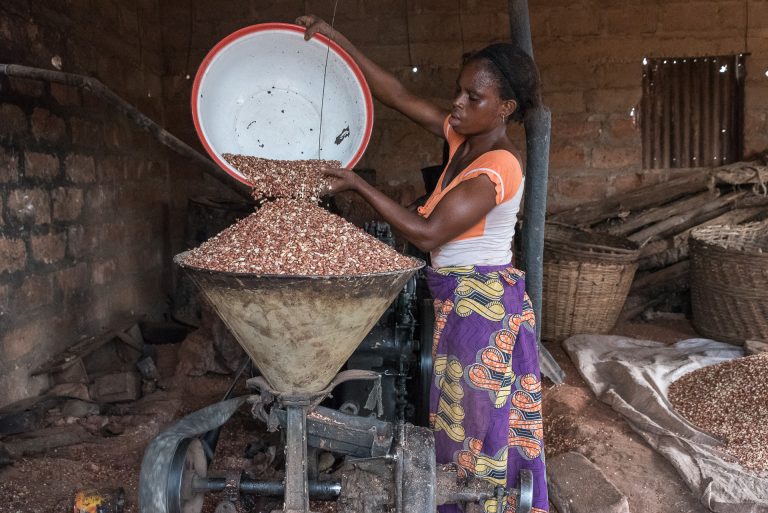
Enough and healthy eating starts with access to land, water, income, time and knowledge. We work with small-scale farmers to improve harvesting and food supply.
- Training in new and climate-resistant agricultural techniques leads to more stable harvests.
- Sand dams keep water available all year round for irrigation, agriculture and livestock.
- Households have access to more varied food through new seeds, animal transfer systems and techniques for increased crop diversity.
- Knowledge about food storage helps people to build a buffer for periods of scarcity.
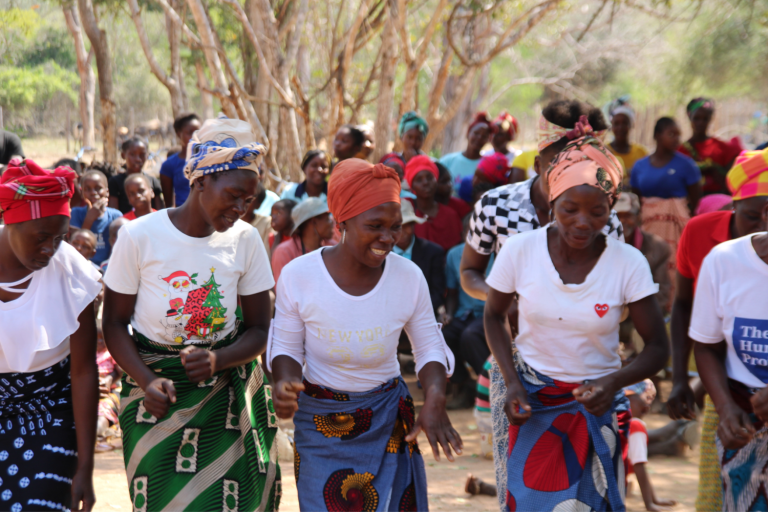
Food security and peace go hand in hand. Many conflicts arise because basic needs remain unfulfilled for too long. That’s why we’re building a stable base with communities.
- Participation in peace-building meetings and training on peace-building strengthens local trust and cooperation.
- Communities are working to prevent and resolve conflicts around land, water and food.
- Cooperation between communities is strengthened through dialogue and joint decision-making.
- In areas with long-term conflicts, efforts are being made to restore trust and social cohesion.
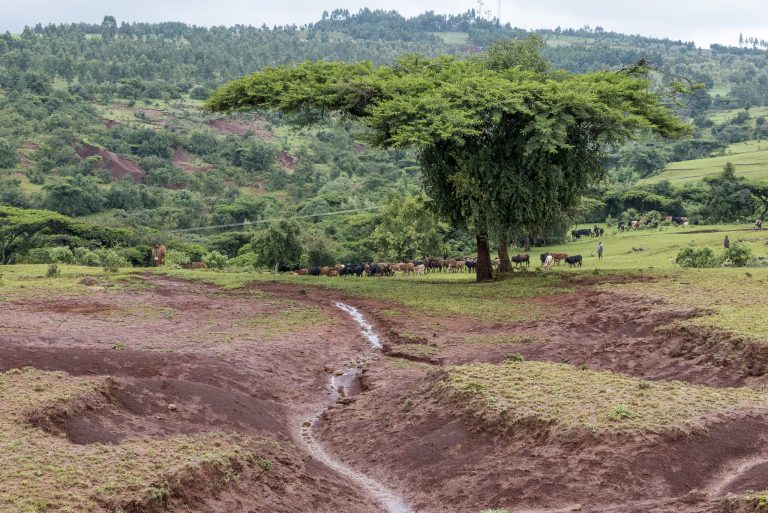
Healthy ecosystems ensure fertile soils and more stable harvests; When nature disappears, food production becomes more vulnerable. That’s why we work with our partners around nature reserves. So that humans, animals and nature can flourish together.
- Restoring forests and soils ensures healthier ecosystems, more stable harvests and more survival for families.
- Sustainable sustainability reduces pressure on protected natural areas and gives nature and biodiversity the space to recover.
- Together with nature and environmental organisations, we link nature restoration with sustainable income for communities in and around protected natural areas.
- With the Climate Resilience Index, we measure how resilient communities are to climate change and where additional investments are needed.
Our impact.
*Based on the results of the study of 60 Decibels from 2024 among 2,000 respondents in communities in our program countries. Want to see more range rates? Check out the report here.
“When we strengthen local democracy and people’s access to food, we lay the foundations for a fairer and more sustainable society.”
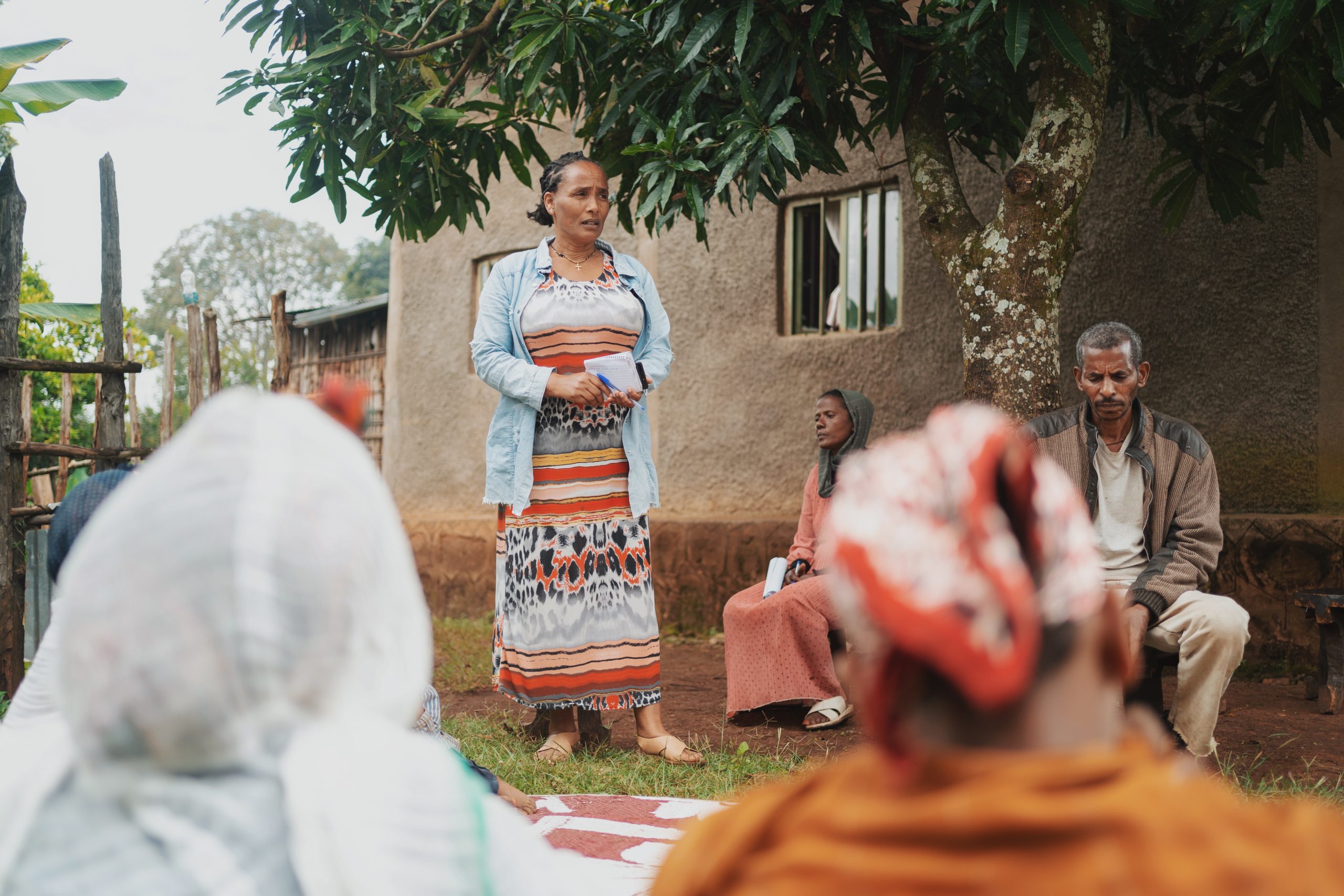
Our local impacters.
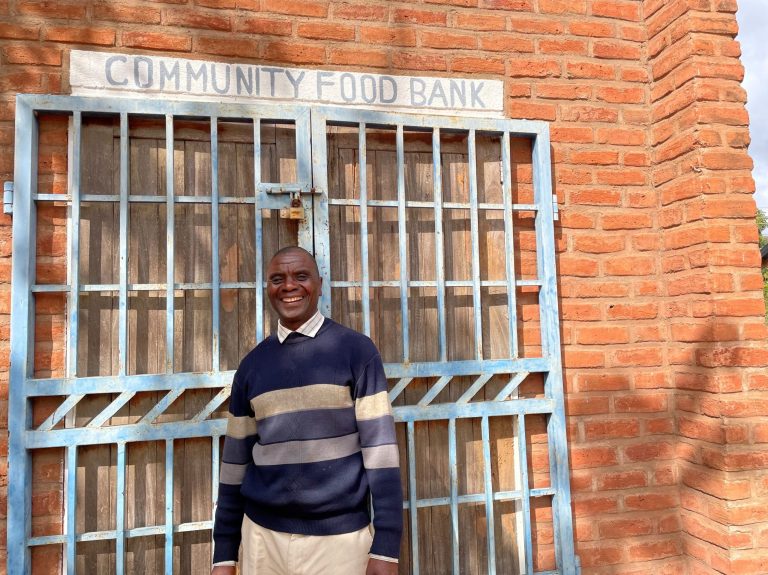
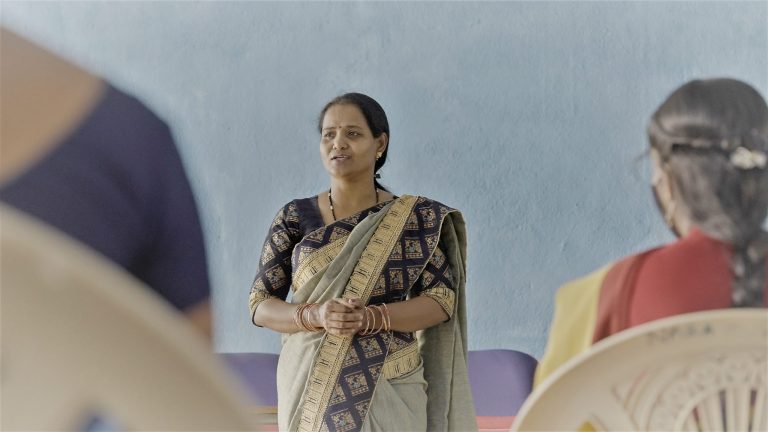
Sustainable change begins with people themselves. We believe that communities have the power and knowledge to shape their own future. That is why we work with local leaders and impact makers who are committed to a future without hunger. Below you see a selection of inspiring people who turn their ideas into action and work every day to change their community.
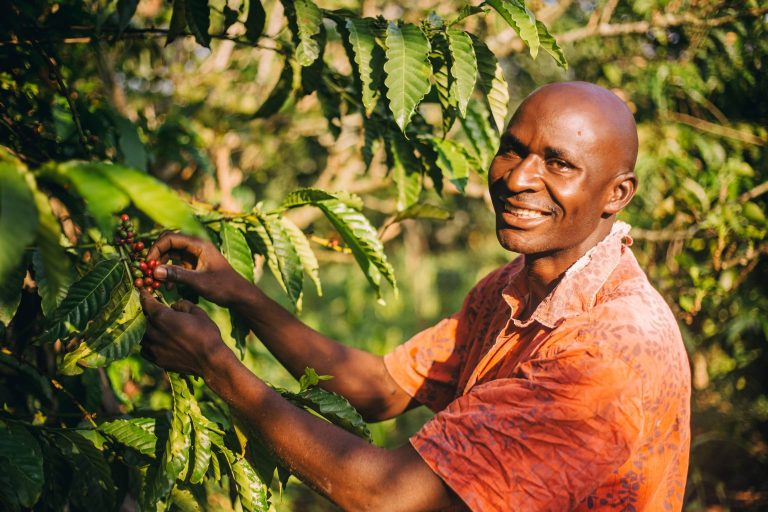
Know more about our projects?
Check out our annual reports! In this we look back on what we have achieved, what we have learned and what we are working towards.
Read our annual report of 2024 here.
Read our annual report of 2023 here.
Read our 2022 annual report here.
Monitoring, evaluation and learning.
How do we know if our programmes make a difference? Or they really end hunger and poverty? Through Monitoring and Evaluation we map the results of our work. So we see what works well and where adjustments are needed to achieve more change. At The Hunger Project, Monitoring and Evaluation is also participatory. Village communities themselves set the goals they want to achieve and also monitor progress. We train local volunteers so they can collect and analyze their own data. This gives them insight into the impact of their own efforts. This participatory approach fits in with the principle of community-led development, where change is organised from below.