About hunger.
Hungry is a problem.
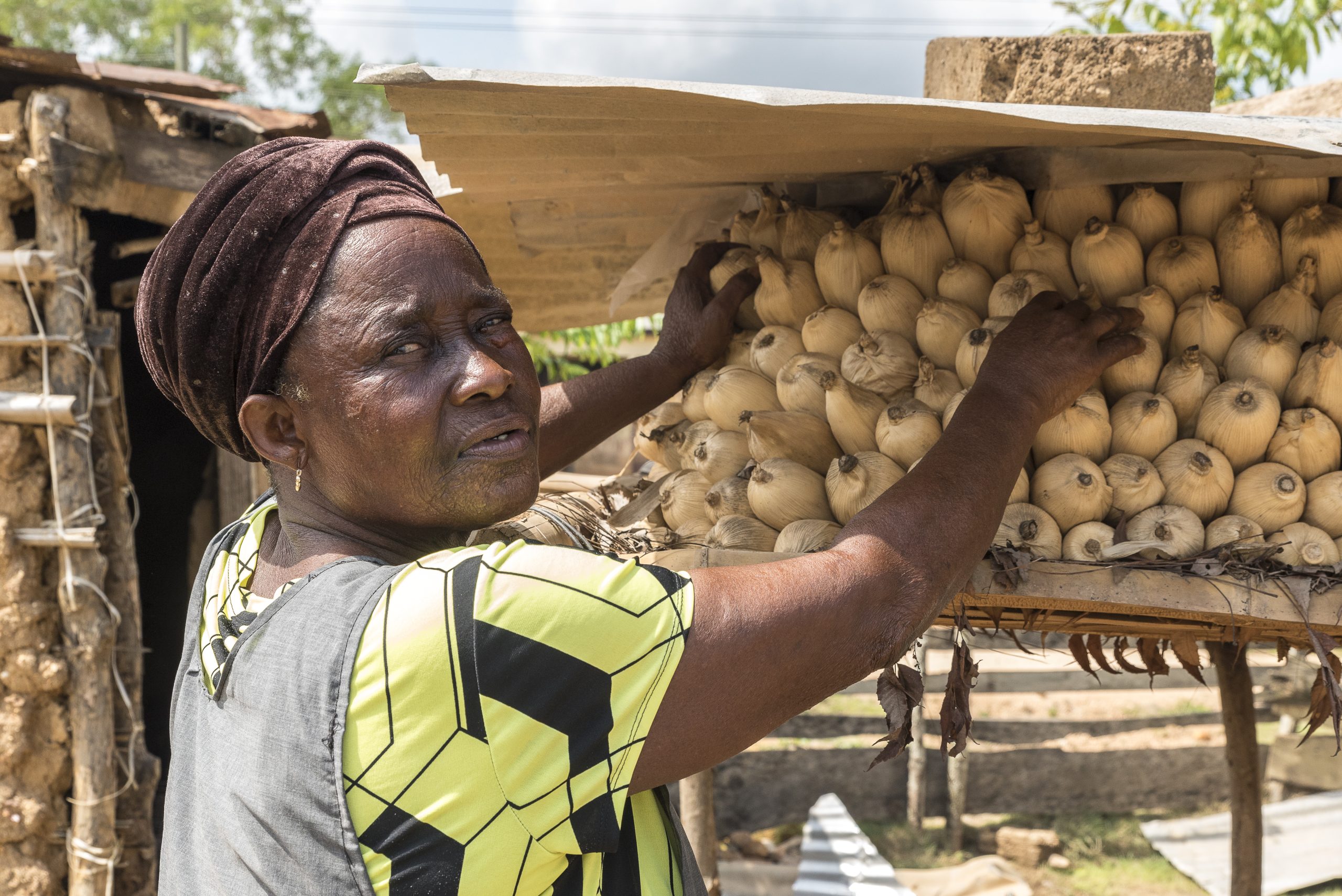
There’s plenty of food for everyone. Yetlive between 638 and 720 million hungry. That’s1 in 13 people. Most hungry people live in rural Asia and Africa, often in poverty and with limited access to land, water, education and healthcare. And hThe majority of the hungry are women. Every day they live with the question: where does the next meal come from?

Forms of hunger.
Acute hunger is caused by crisis, natural disaster or war. But usually hunger is chronic. Day in day out, generation after generation. Because chronic hunger is structural, sending food is not a sustainable solution. It offers some relief, but then there’s hunger again. The end of hunger therefore requires sustainable solutions.In addition, hunger is not only about insufficient food, but also about a shortage of nutrients. Anyone who eats one-sidedly, for example, only white rice . . . gets too few vitamins and minerals and gets malnourished. It’s called “hidden hunger.” Especially in the first 1000 days of human life, from pregnancy to the second birthday, good nutrition is crucial to healthy growth and development.
Consequences of hunger.
Hunger has consequences that extend beyond an empty stomach. It affects your health, energy, development, concentration and performance. And therefore your future.


Basic looming errors.
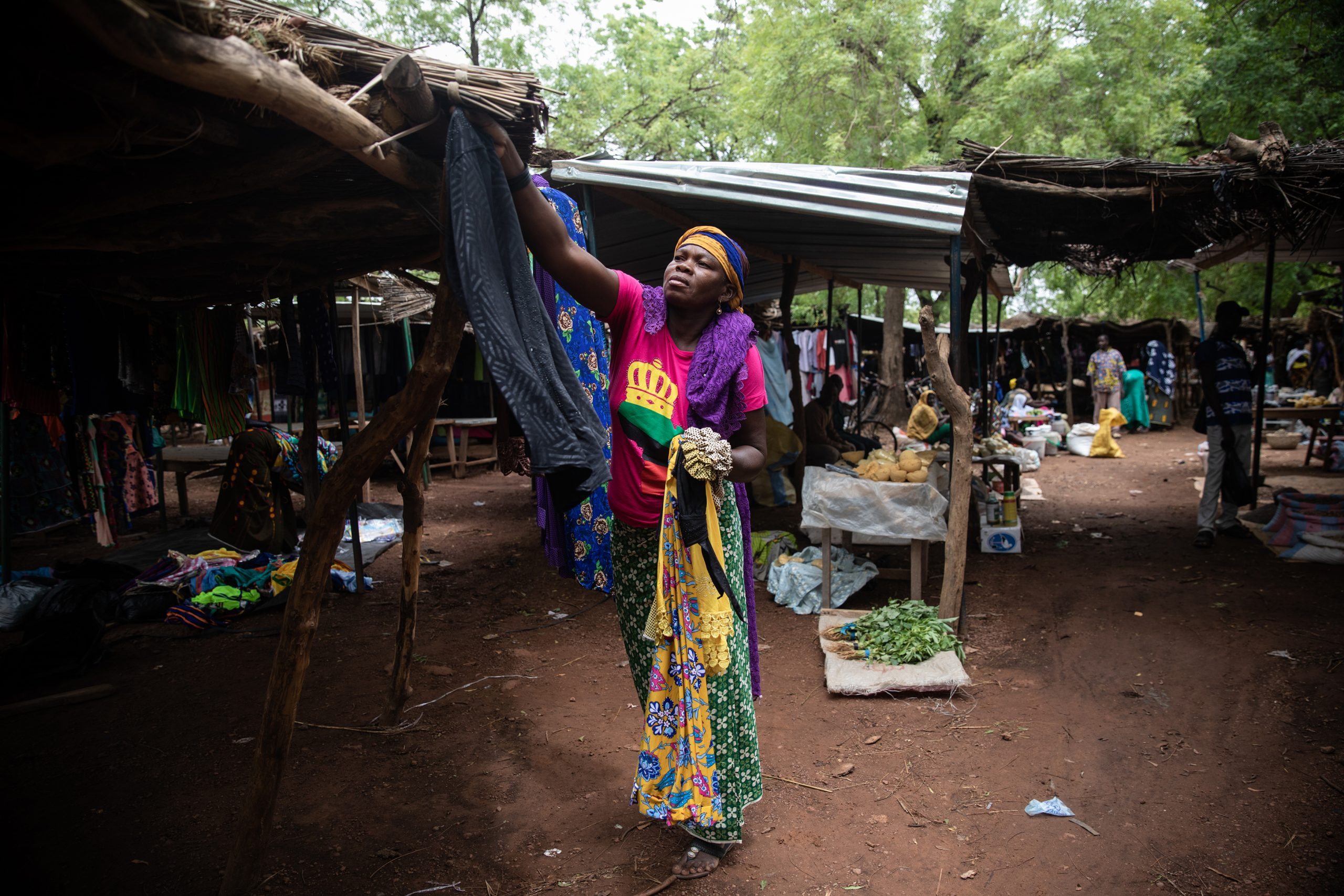
Hunger is not because there is too little food in this world . There is enough for everyone. But because of inequality and poverty, not everyone has access to that food. So there are fundamental looming errors in our food system. In addition, more causes play a role in chronic hunger. It is a vicious circle in which the environment, climate change, water, sanitation, education, health care and inequality between men and women all play a role.
Hungry is falling slightly.
The United KingdomDebates of the European Parliamentagreed to end hunger by 2030. This is described inSustainableDevelopment Goal 2: Zero Hunger.Millions of people worldwide are working on this goal.ia The Hunger Project and through other organizationsand initiatives.Previous year is the share of people with hunger again slightly decreased.That is a hopeful signal: the progress of previous years seems to be returning with caution. But behind this global average there are huge differences. In Africa, hunger has not fallen, and in some countries even increased. Our workAnd your supporthappyventherefore urgently needed.
Together we put an end to hunger
With nearly 50 years of experience and programmes in 13 programme countries, The Hunger Project shows in practice that the end of hunger is feasible. The approach varies from country to country, because the circumstances also differ. But everywhere people with hunger are at the centre: they are carrying the solution. Hungry is fixable, and we do it together. You too can be part of the solution. With your support, millions of people in various places in the world are working on a future without hunger.