Our programs.
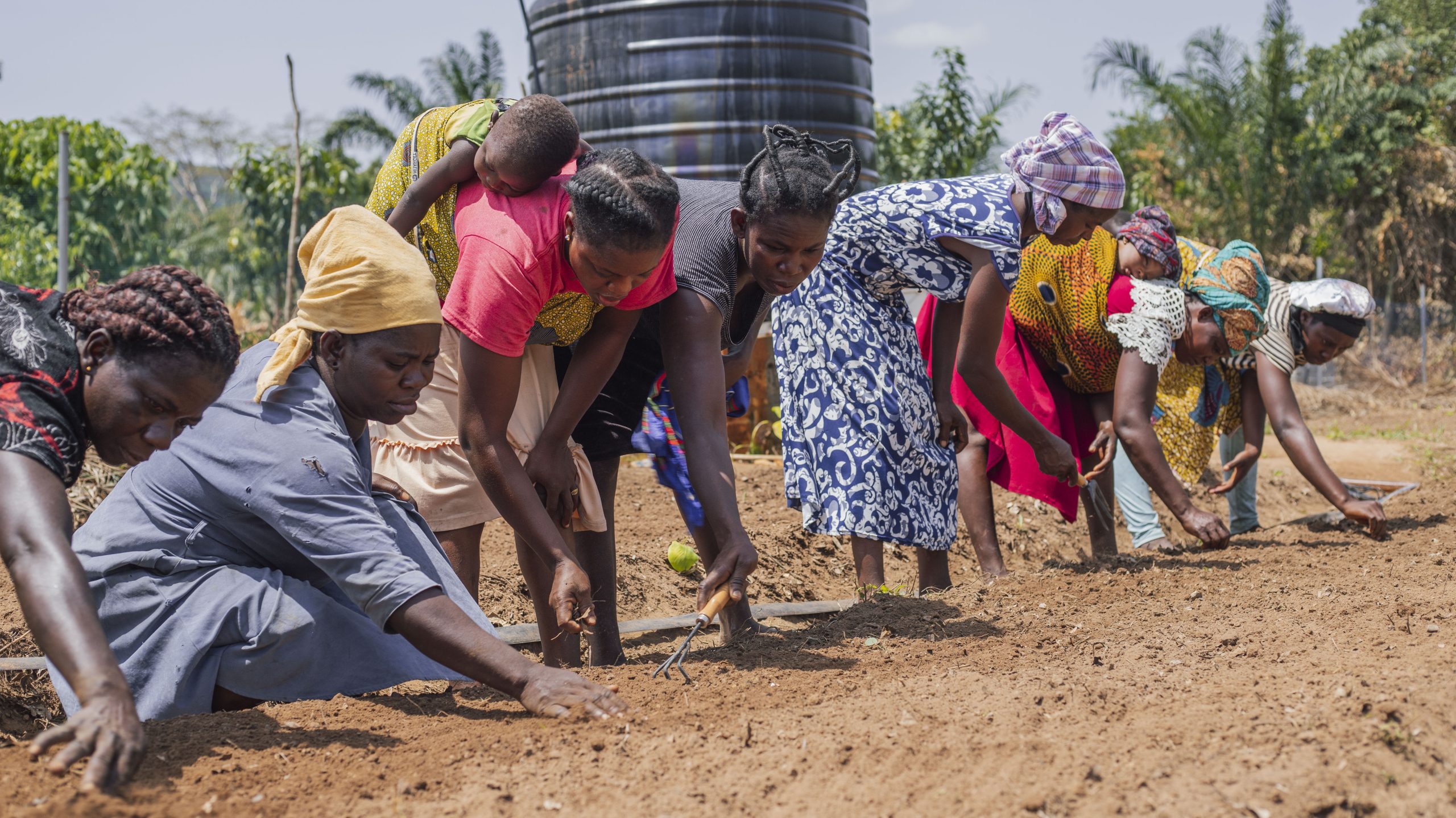
Our programmes reached nearly 13 million people in 2025 in the poorest areas of Africa, South Asia and Latin America. We focus on nutritious food, climate-proof agriculture, water, health and peace building. Because systematic inequality feeds the global hunger crisis, women and young people play a key role in the programmes. This is how we tackle the causes of hunger at the root. Because there’s enough food for all of us and everyone deserves a place at the table.
The Hunger Project is active worldwide in more countries than you see here. View the country overview here for a complete picture of where we work.From female leadership in India to nature conservation and economic development in Africa. Find out how our programs contribute to a world without hunger and how you can participate.
An overview.
Since 2011, The Hunger Project has been working on the Majete Wildlife Reserve in Malawi. This is a protected natural area of 700 km2 in southern Malawi. About 60,000 people live around the nature park. The area was for a long time remote and difficult to reach.
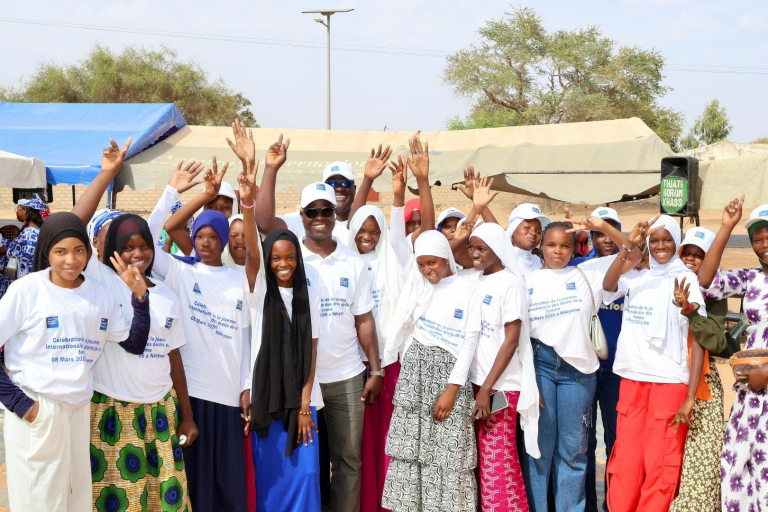
In the municipality of Ndoyene, in northern Senegal, the land is dry and the water is scarce. Most people live on what they grow, but the rain has become unreliable and harvests are increasingly disappointing.
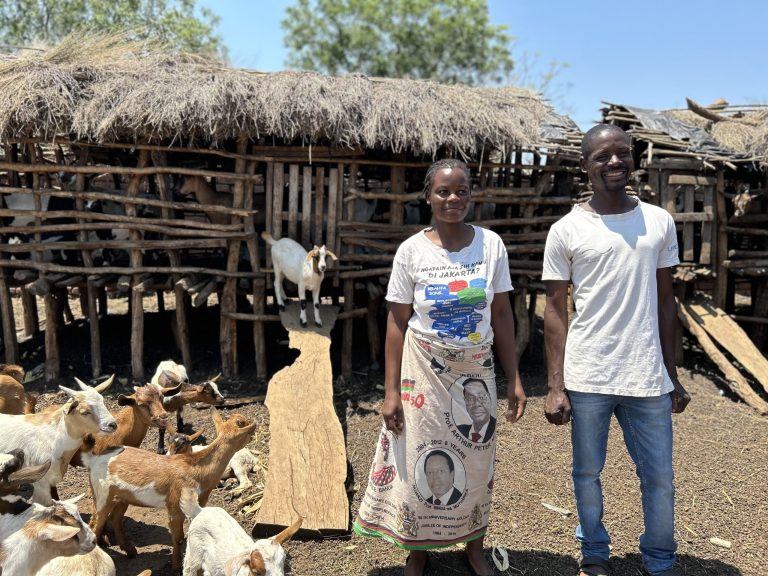
In 2025, The Hunger Project started a challenging project around Nyika National Park and Vwaza Marsh Wildlife Reserve. Animal species in nature parks are protected by nature conservation organisations, but thousands of people live in extreme poverty around the parks.
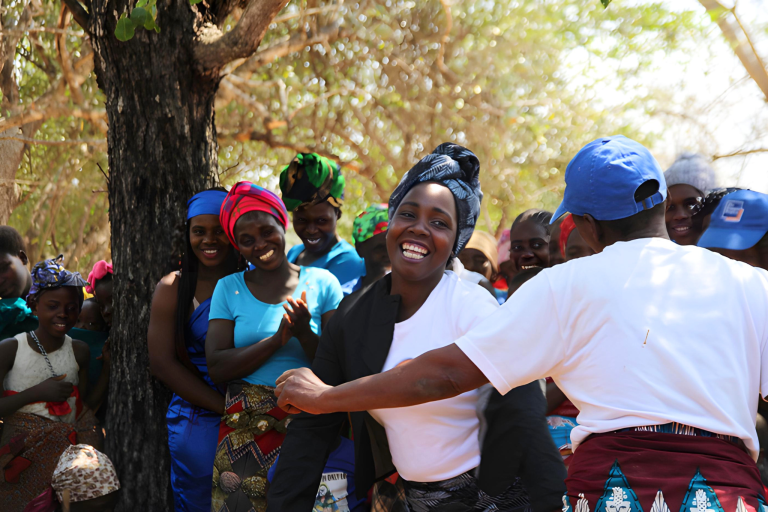
In 2021, The Hunger Project together with Peace Parks Foundation started a challenging project around Zinave National Park in Mozambique. The wildlife park works hard to protect different species, but the people living in the villages around the nature reserve live in great poverty.
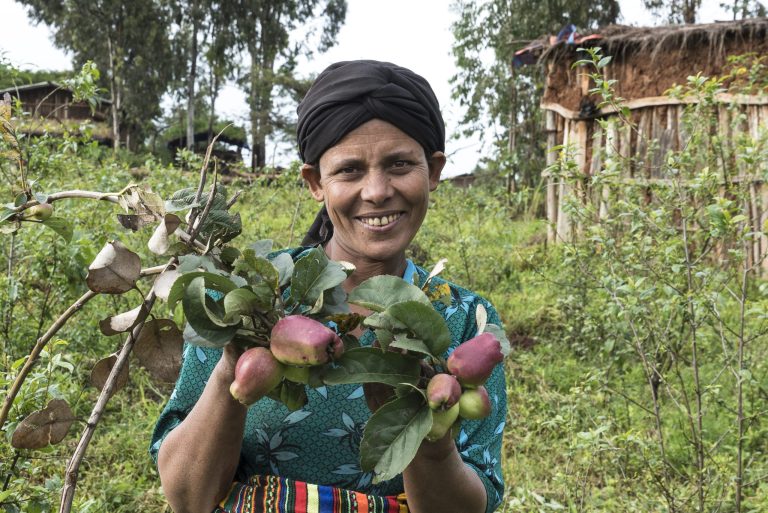
Gewocha was once a thriving forest full of biodiversity in Ethiopia. But of the original primeval forest, of which 42,000 people in 14 villages depend on their livelihood, there is hardly anything left. We have two objectives: to counter the effects of climate change by strengthening the biodiversity of the area, and to improve the food security and standard of living of the community.
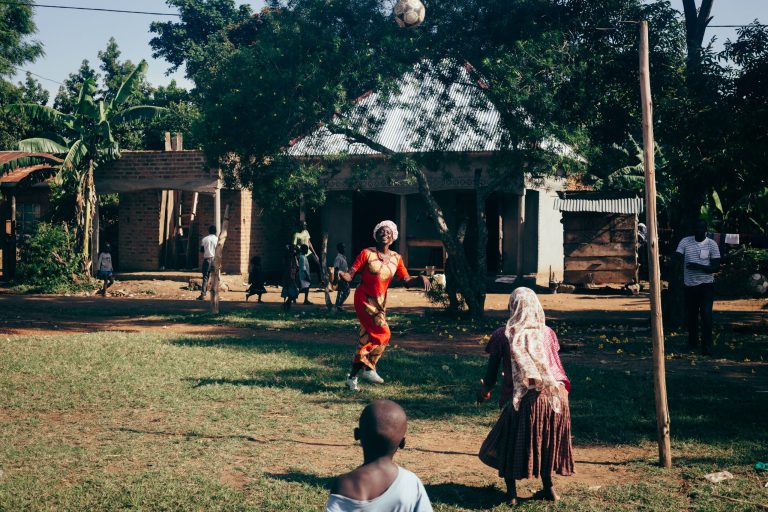
Food security and peace are closely linked. Where people are not sure about food, water, land or work, tensions increase and it becomes more difficult to build a future together. Hunger can fuel conflicts, and vice versa, conflict often leads to hunger.
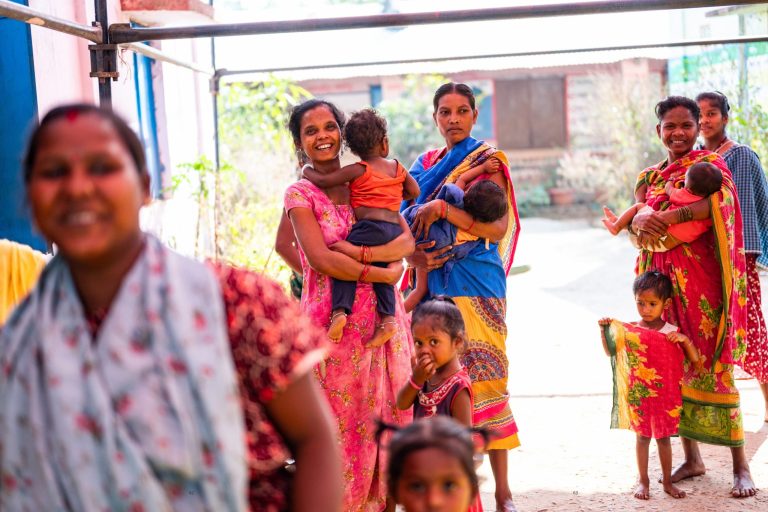
WithOdisha pomelos 100 we invest in female leadership in India. Because although India’s economy is growing, poverty, hunger and inequality remain deeply rooted in society. The Hunger Project knows women are the key to breaking that. In the state of Odisha we therefore train and guide women in their leadership role.
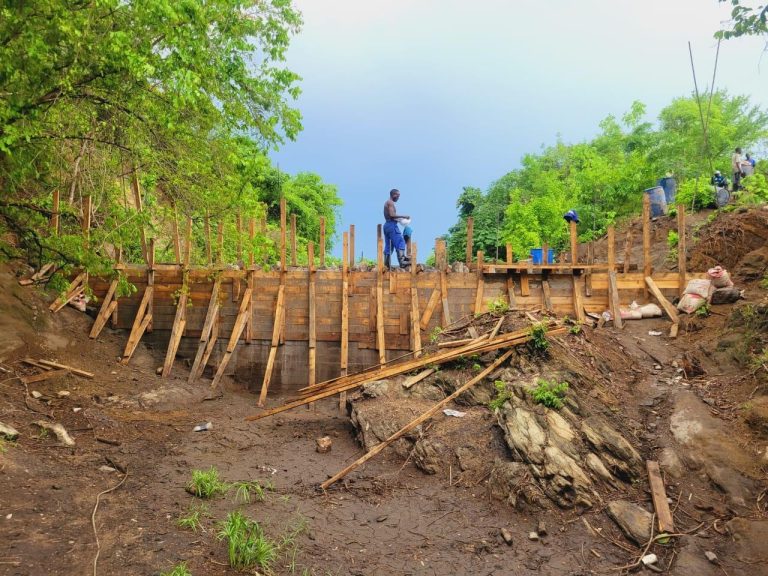
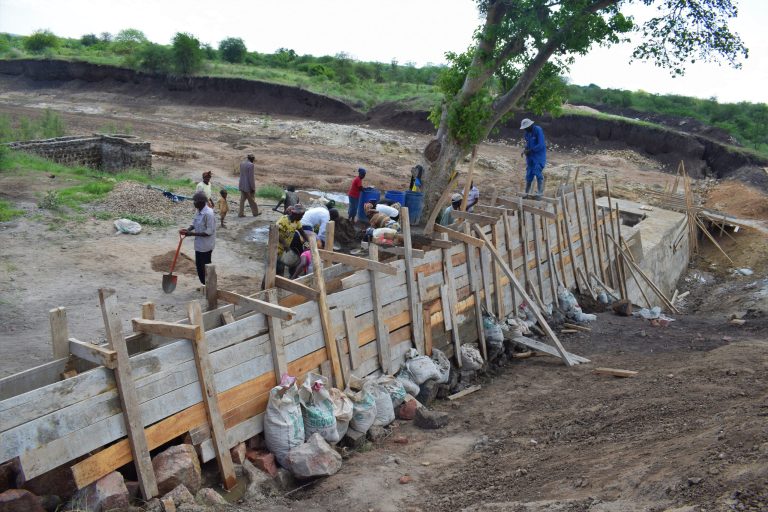
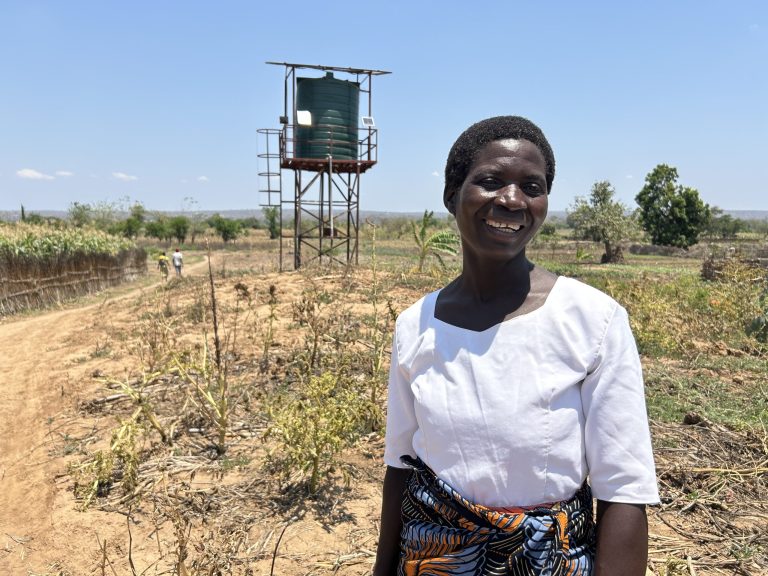
For 2.2 billion people worldwide, safe water is not self-evident.While water is vitalis: from drinking and cooking to washing and agriculture.Water shortages are a structural cause of hunger and poverty in large parts of Africa. With the Water Winnen program The Hunger Project is working on a sustainable solution