Combating poverty around Majete Wildlife Reserve.
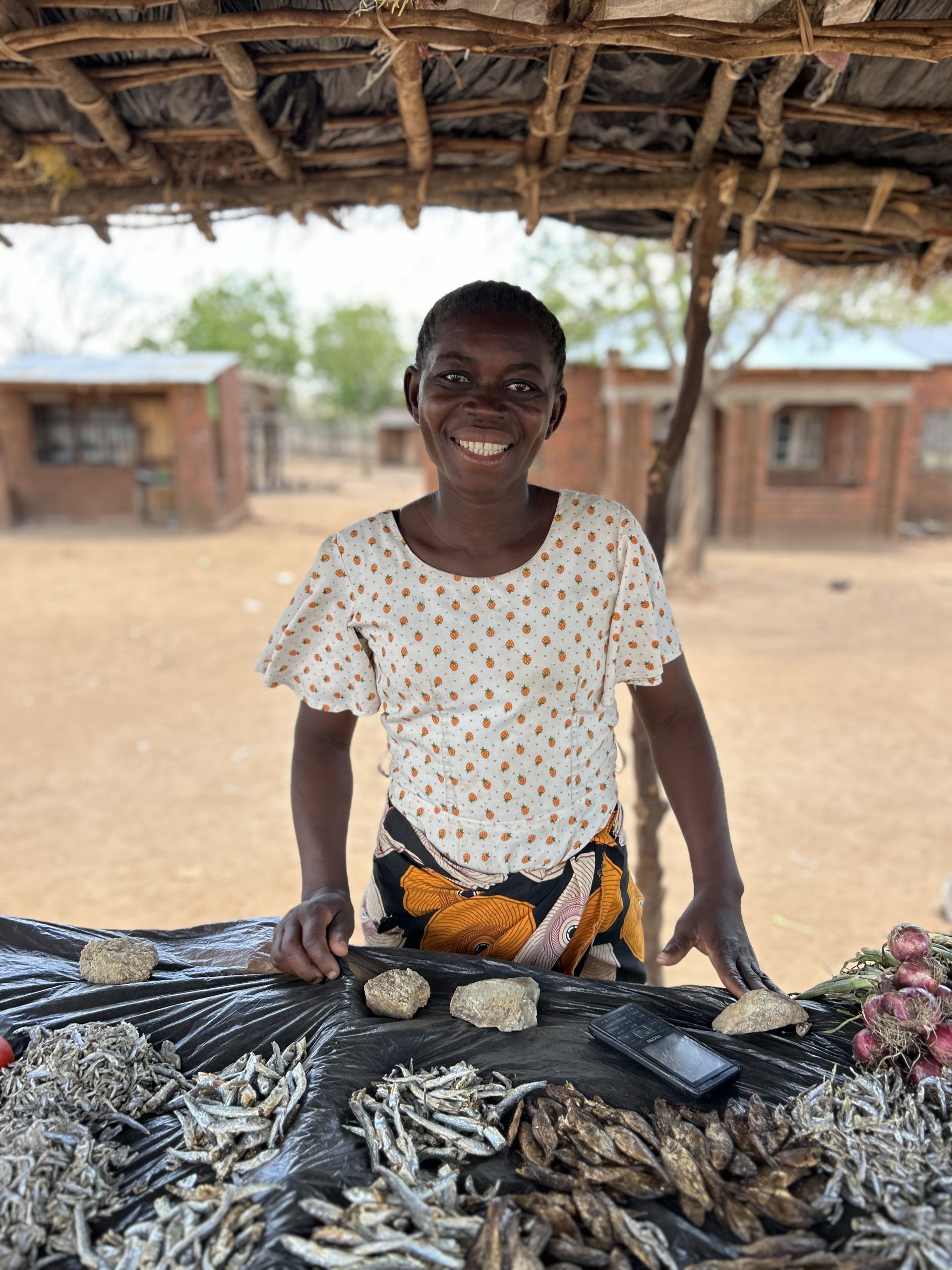
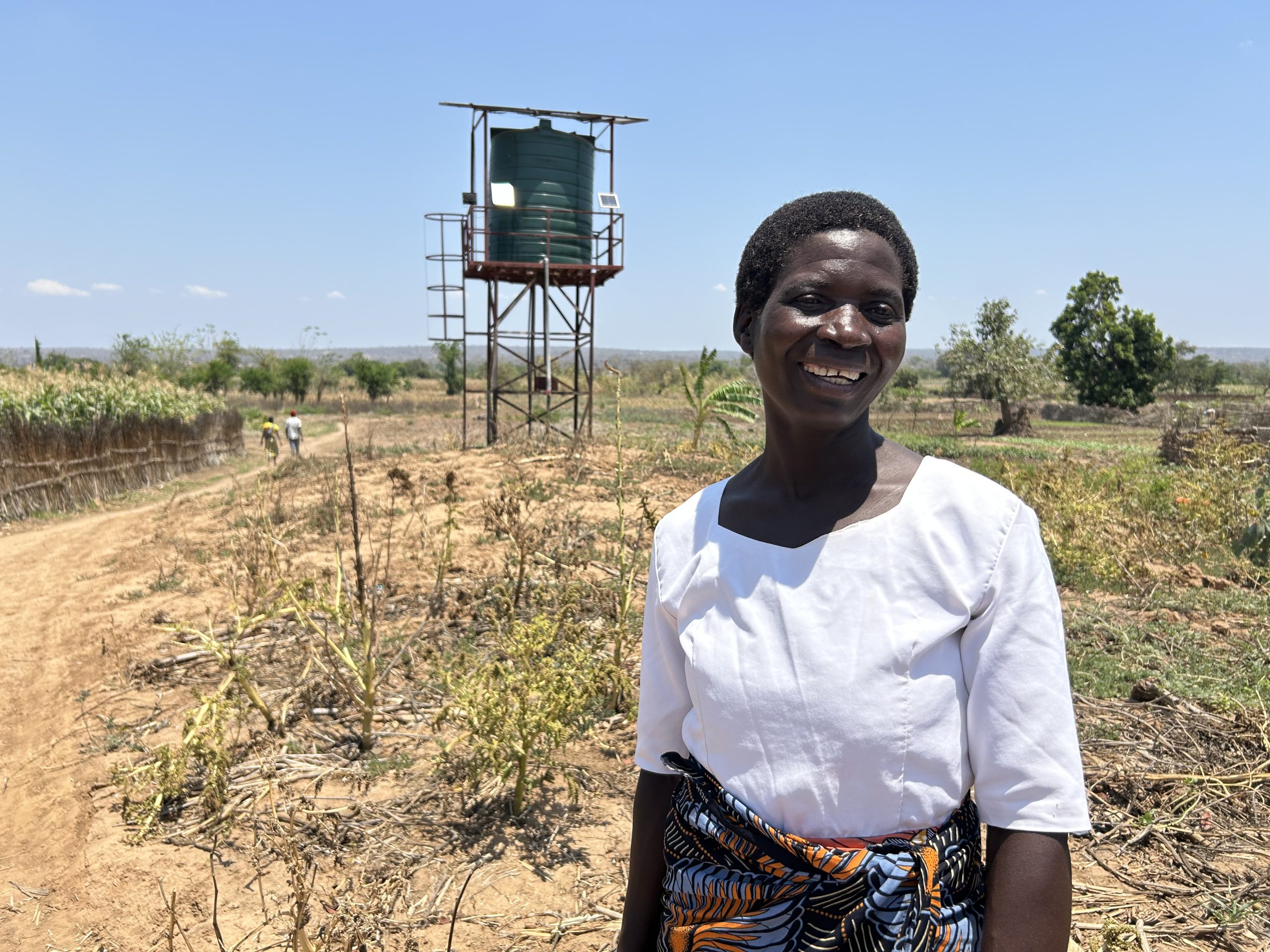
Since 2011, The Hunger Project has been working on the Majete Wildlife Reserve in Malawi. This is a protected natural area of 700 km2 in southern Malawi. About 60,000 people live around the nature park. The area was for a long time remote and difficult to reach. Many people lived below the poverty line and depended on poaching and illegal logging to survive. That’s why The Hunger Project works here with an integrated approach to poverty reduction and nature conservation. So that humans, animals and nature can not get in the way of each other, but can flourish together.
Wildpark without game.
In 2003, there was no elephant, rhino, lion or leopard in the Majete Wildlife Reserve. Years of poaching, logging and neglect had turned the area into an empty forest. The tourists stayed away and the poverty in the surrounding villages was enormous. Together with Wildlife Manager African Parks, the Malawian government revived Majete. The park got guards and fences. Meanwhile, Majete is a lively park with rhinoceros, elephants and lions.
About 60,000 people live around the park. Most of them live below the poverty line. The area is remote and difficult to reach, and many neighbors depended on poaching and illegal logging for their livelihood. The fence around the park made that a lot harder. A sustainable survival of the Majete wildlife park could only improve the living conditions of residents around the park. Dioraphte Foundation asked The Hunger Project to work with the communities around Majete to create a long-term plan to fight hunger and poverty. So people can make their own money and eat healthy. In 2011 we started the plan.
Community-led development.
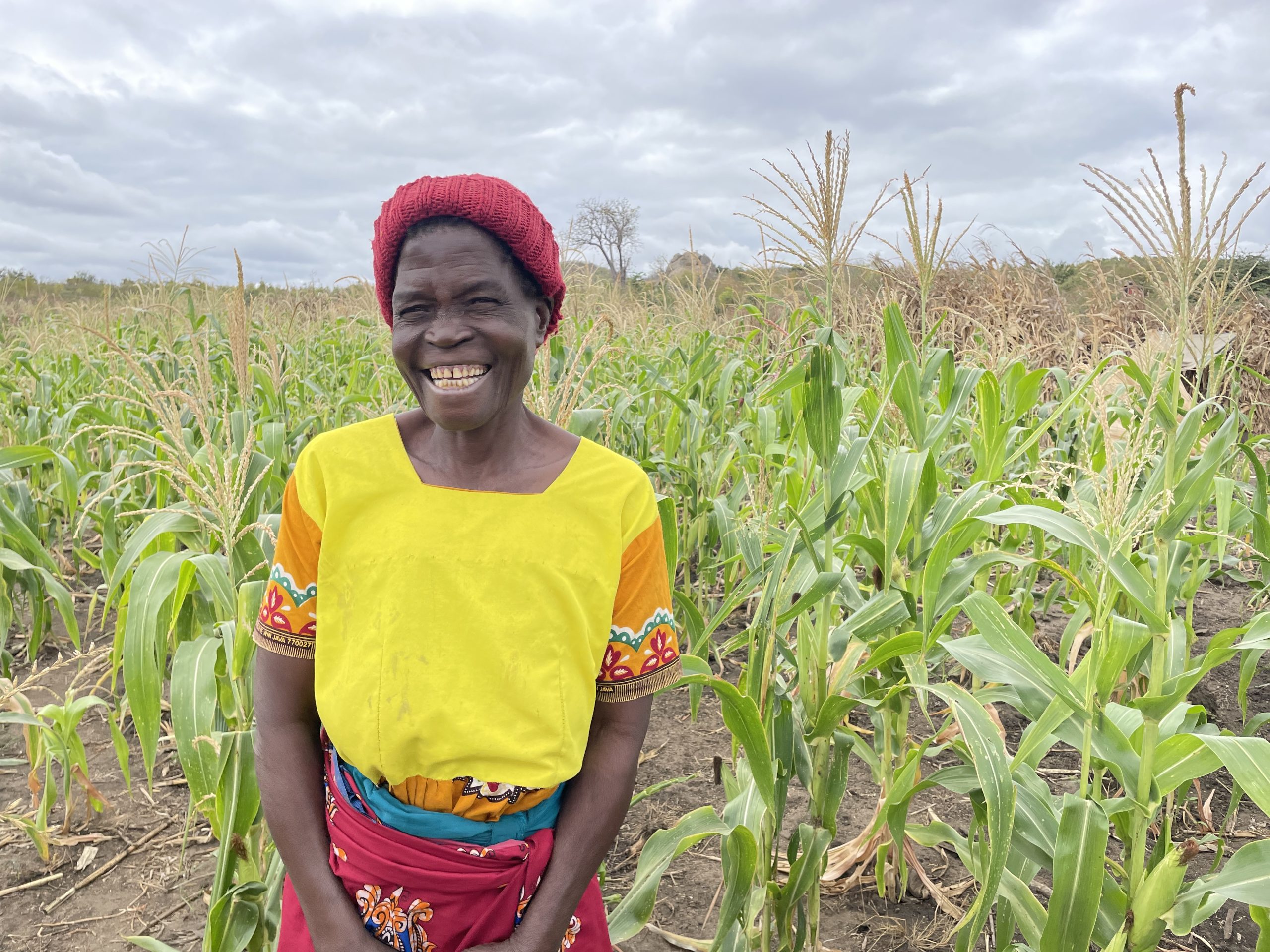
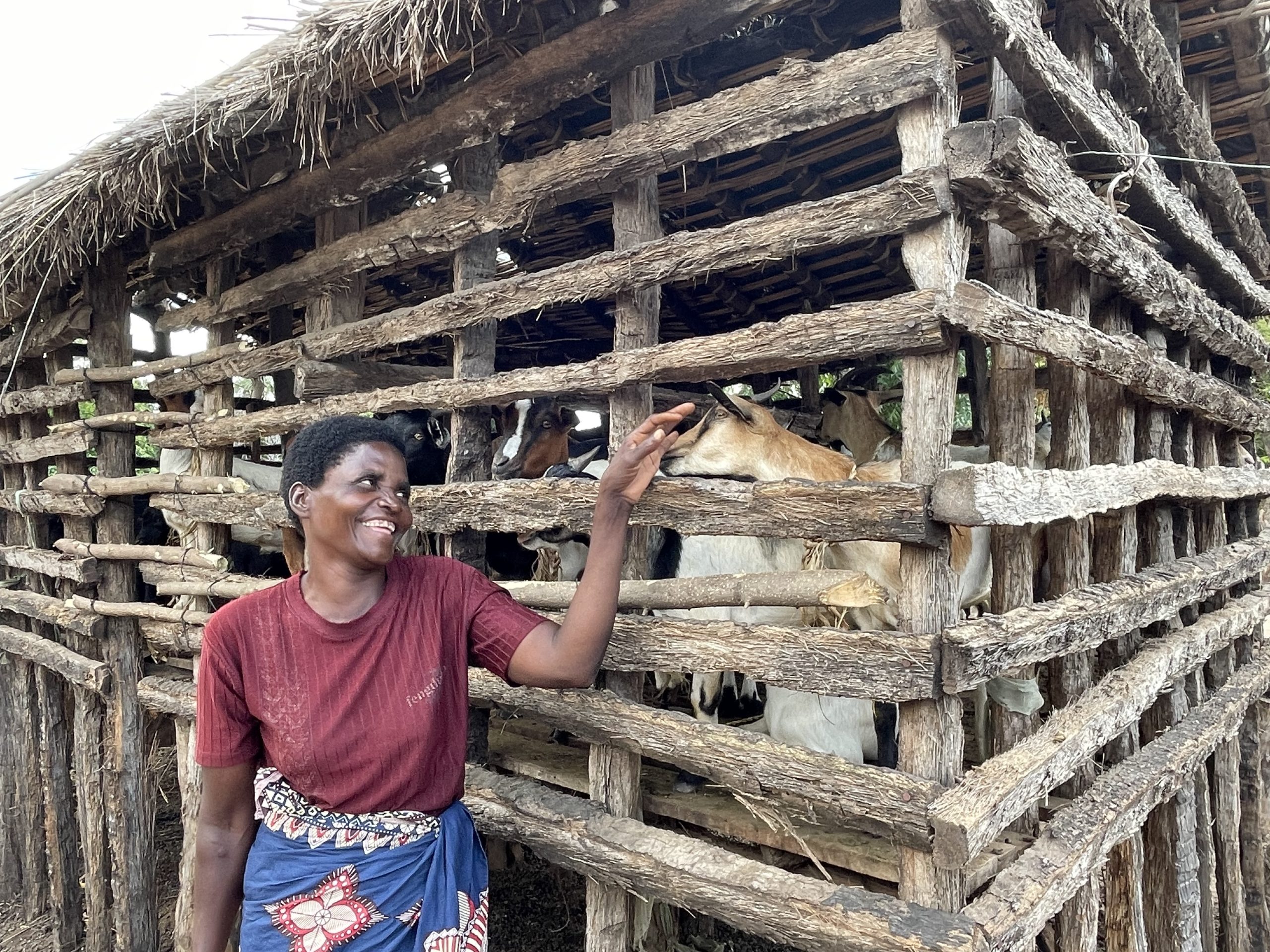
The Hunger Project believes that change only happens when people who are hungry themselves carry the solution community-led development. That is why the villages in Malawi are working to improve their living conditions. The community has the lead and is working on all factors of hunger and poverty at the same time. So that people no longer depend on poaching and illegal logging, but themselves can provide healthy food and income. In 15 years, a lot has changed. Of the 8 epicenters, three are now completely self-reliant and three are about to take that step. The last twowork hard towards self-reliance.
Better future.
In the villages around Majete, the hunger decreases step by step. More and more people find new ways to earn income, more people learn to read and write and fewer and fewer children die of malaria and diarrhoea. The community itself is also setting up more and more own projects. Thanks to the efforts of the community of epicenter Majete 1, for example, there is now a health post for young children, a bridge has been built to make the clinic more accessible and the local primary school has been refurbished. And Majete has become a thriving park, with the lowest poaching figures of all the parks in Malawi.
The Majete project has shown that poverty reduction and conservation can go hand in hand. This successful approach is now the basis for cooperation with nature conservation partners around various protected nature areas, including outside Malawi.
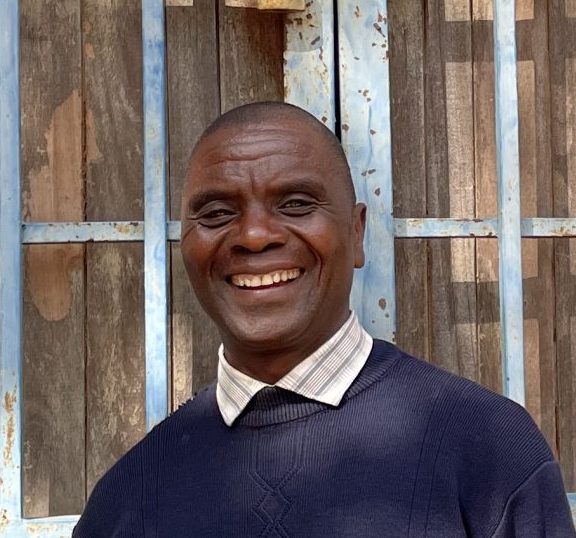
"We have enough to eat now. And I'm saving for an ox that can help plow. As a lead farmer I encourage others to do the same."
Together, we put an end to hunger.
The Hunger Project shows with almost 50 years of experience that the end of hunger is feasible. The approach varies from country to country, as the conditions are also different. In all areas, people with hunger are at the heart of their own solutions. Hungry is fixable, and we do it together. With your support, millions of people in various places are working on a future without hunger. You in?