Human and Nature in Ethiopia.
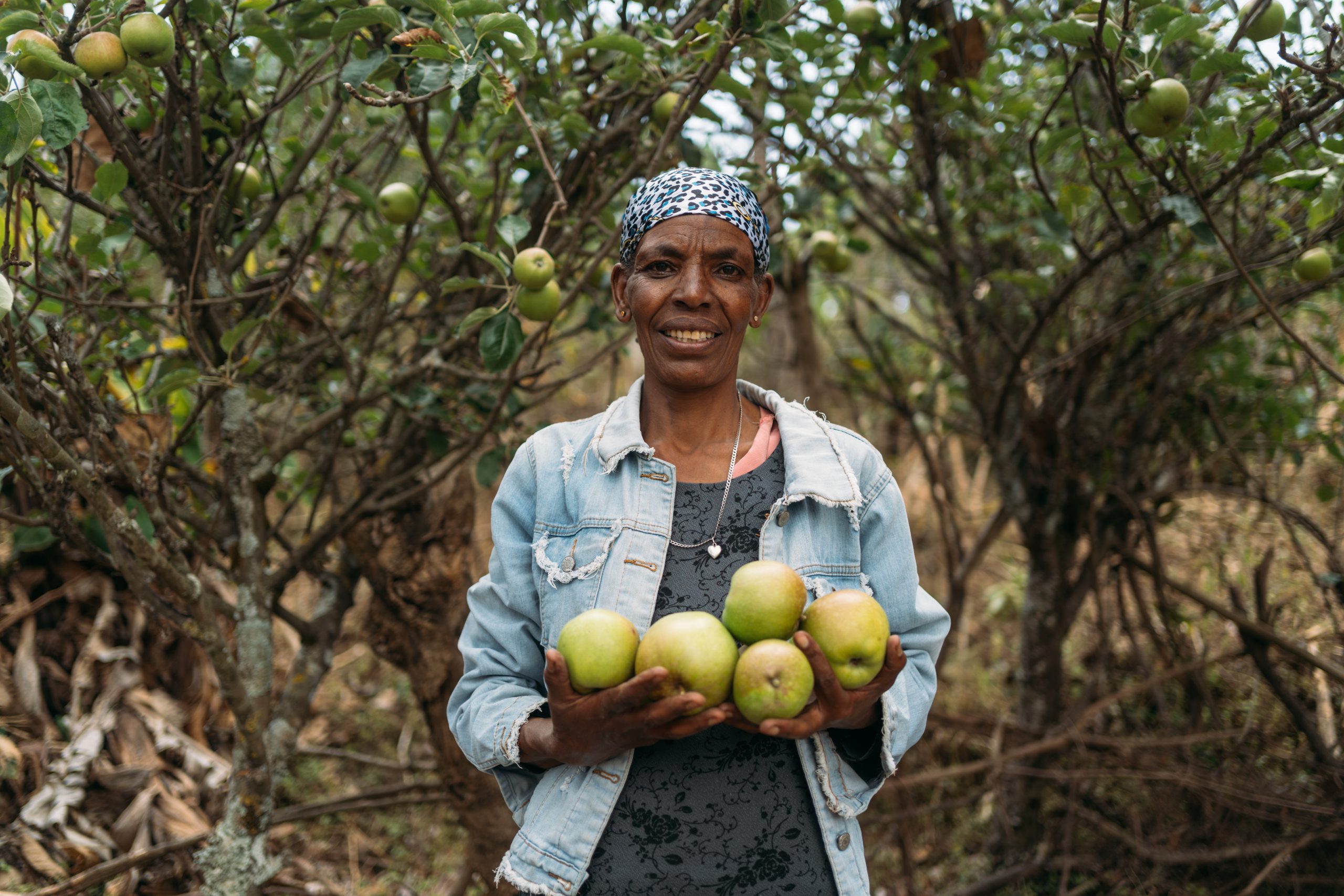
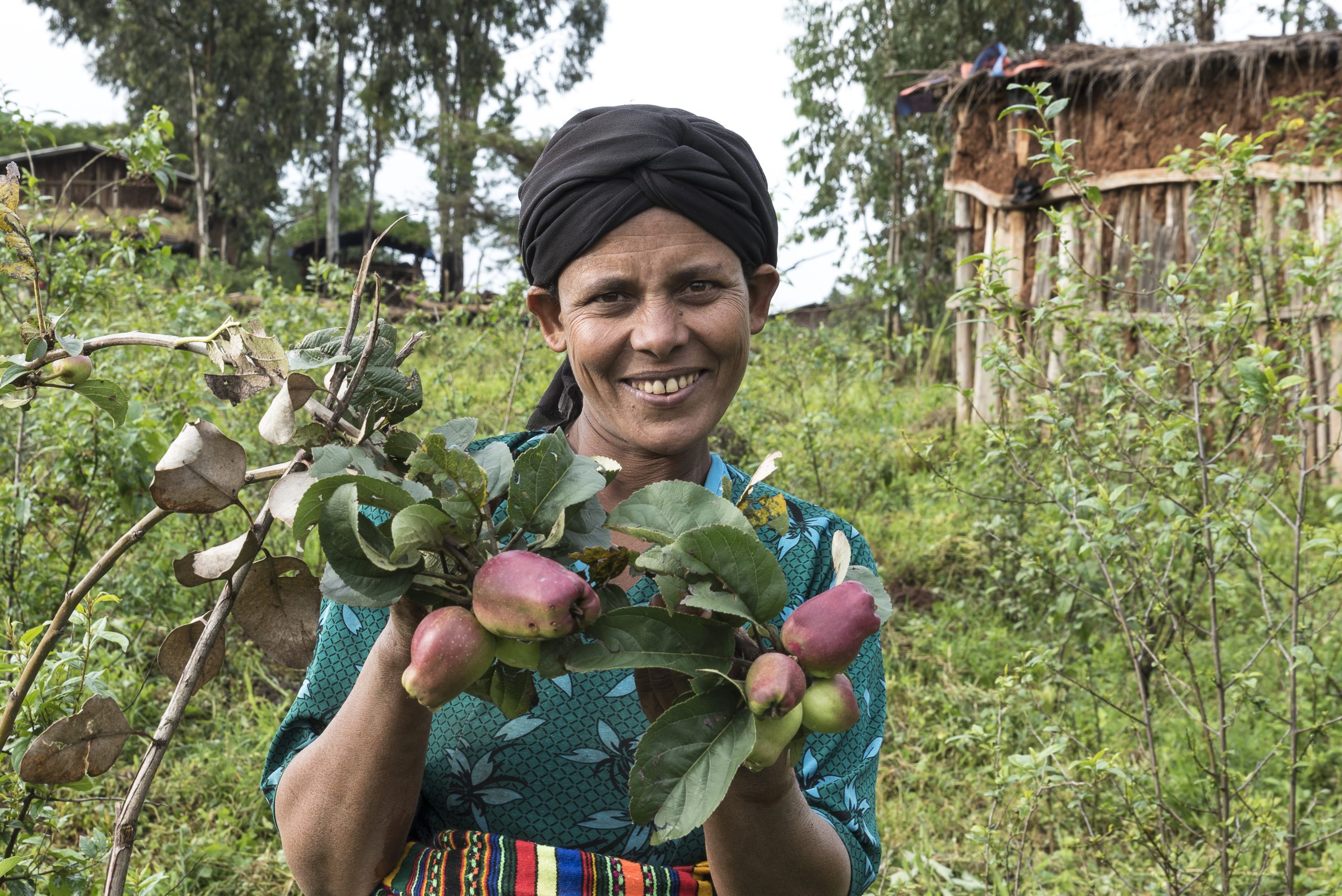
Gewocha was once a thriving forest full of biodiversity in Ethiopia. But of the original primeval forest, of which 42,000 people in 14 villages depend on their livelihood, there is hardly anything left. In 10 years (2022-2031) The Hunger Project, together with the residents, colours 10,000 hectares of the Gewocha forest green again. We have two objectives: to combat climate change by strengthening the biodiversity of the area, and to improve the food security and standard of living of the community.

Starting in Machakel.
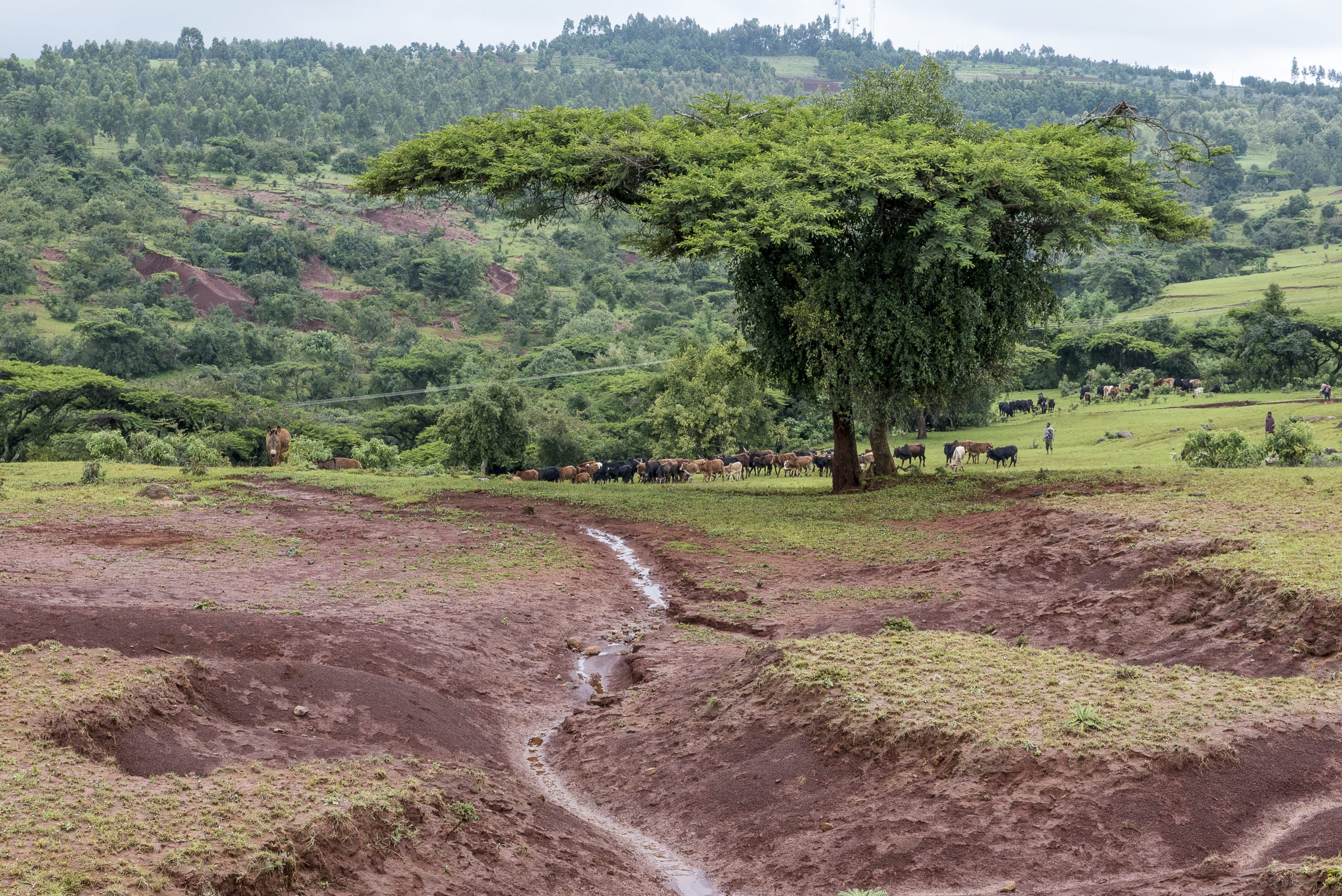
Deforestation and erosion are a huge challenge in Ethiopia: The land loses 2 billion tonnes of fertile land every year due to land degradation. The decline of fertile soil leads to failed harvests and food insecurity. The effects of climate change increase these problems and make it difficult for locals to break the vicious circle of hunger and poverty.
Between 2016 and 2019, The Hunger Project worked Ethiopia, WeForest and the local government together in Machakel, Ethiopia. The target? 1,200 hectares of degraded land. With a community-led approach, nearly 2 million trees were planted. That helped restore soil and biodiversity. At the same time, communities became more resilient to climate change, including through alternative sources of income and climate-proof agriculture. Hungry took off by a quarter. All farmers now apply new farming techniques and 91% of the community believes they can shape their own future.
Gewocha Forest.
By deforestation in Jabi-Tehnan, fertile soil is lost. Climate change is causing increasingly severe periods of drought, extreme heat and storm, unpredictable rains and floods. As a result, fertile soil washes away and salinates the soil. As a result of erosion, the soil becomes exhausted, leading to failed harvests, food insecurity and loss of income for the local population.
After the success in Machakel we together with WeForest our work area extended to Jabi-Tehnan in the West Goyam area. There we invest with partners A Bethter World, Caely Renewables, Jersey Overseas Aid and Makein the restoration of the Gewocha forest. And that is badly needed, because half the inhabitants of Jabi Tehnan live below the poverty line and 43% are chronically malnourished. Women and children are the hardest hit by poverty and hunger, and they have little or no say in decisions in their household or community. Moreover, the political and ethnic tension has grown considerably in recent years due to the overflowing conflict in neighbouring Tigray.
Let’s go.
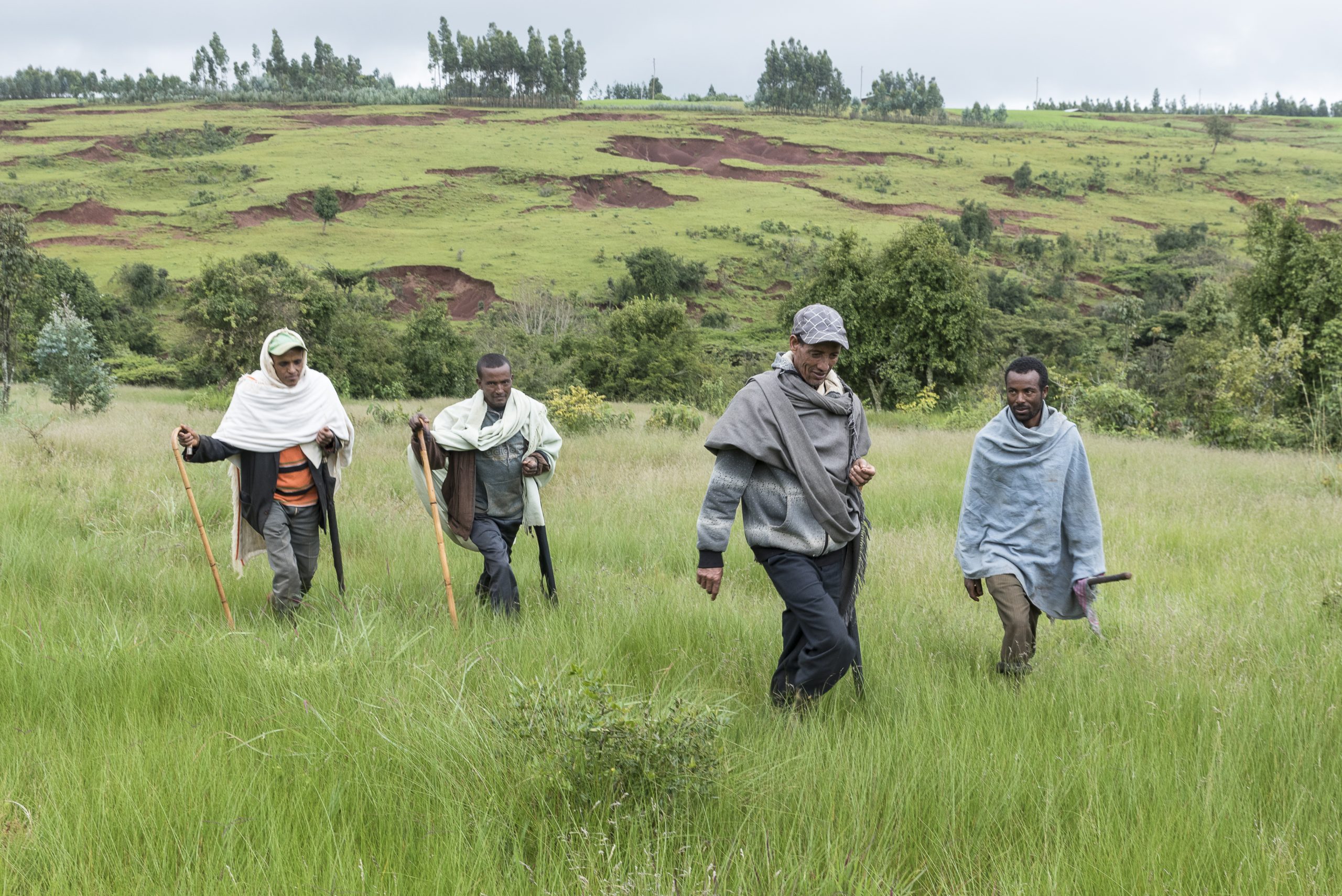
Together with the inhabitants and WeForest, The Hunger Project Gewocha colours green again. The 14 communities around Gewocha are working on 3 goals:
Expand.
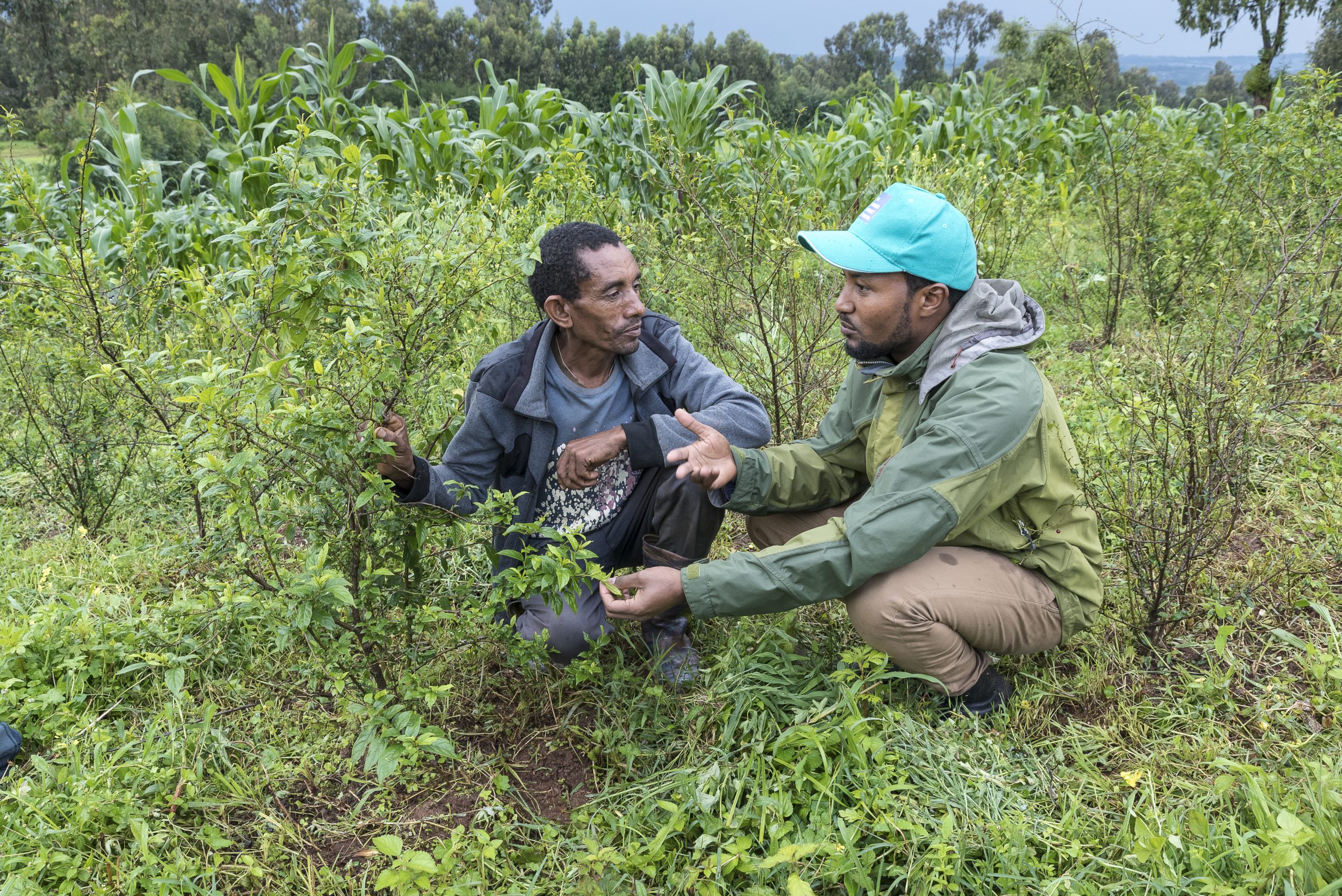
We started the project in Jabi Tehnan with a baseline study, with which we mapped local challenges well. Together with the community we developed a multi-annual plan of approach, with self-reliance as the main goal. At the same time, WeForest investigated the soil erosion and state of the forest. Over the past few years, we have expanded the working area. Depending on the degree of erosion, trees are planted or areas are temporarily closed and left alone, so that the soil can recover through natural regeneration.
In cooperation with communities and local authorities, nearly 68 hectares of the Gewocha forest and over 119 hectares of demoted community land were restored and delimited in 2025. Thirteen Forest Associations have been set up to support the management of these areas. The project farm produced 371,991 seedlings of fourteen tree species. At the end of 2025, 351,662 seedlings were planted in the Gewocha forest, on community land, at schools and churches and on agricultural land. This improves vegetation coverage, helps to restore degraded soil and strengthens the local ecosystem.
Healthy nutrition and income.
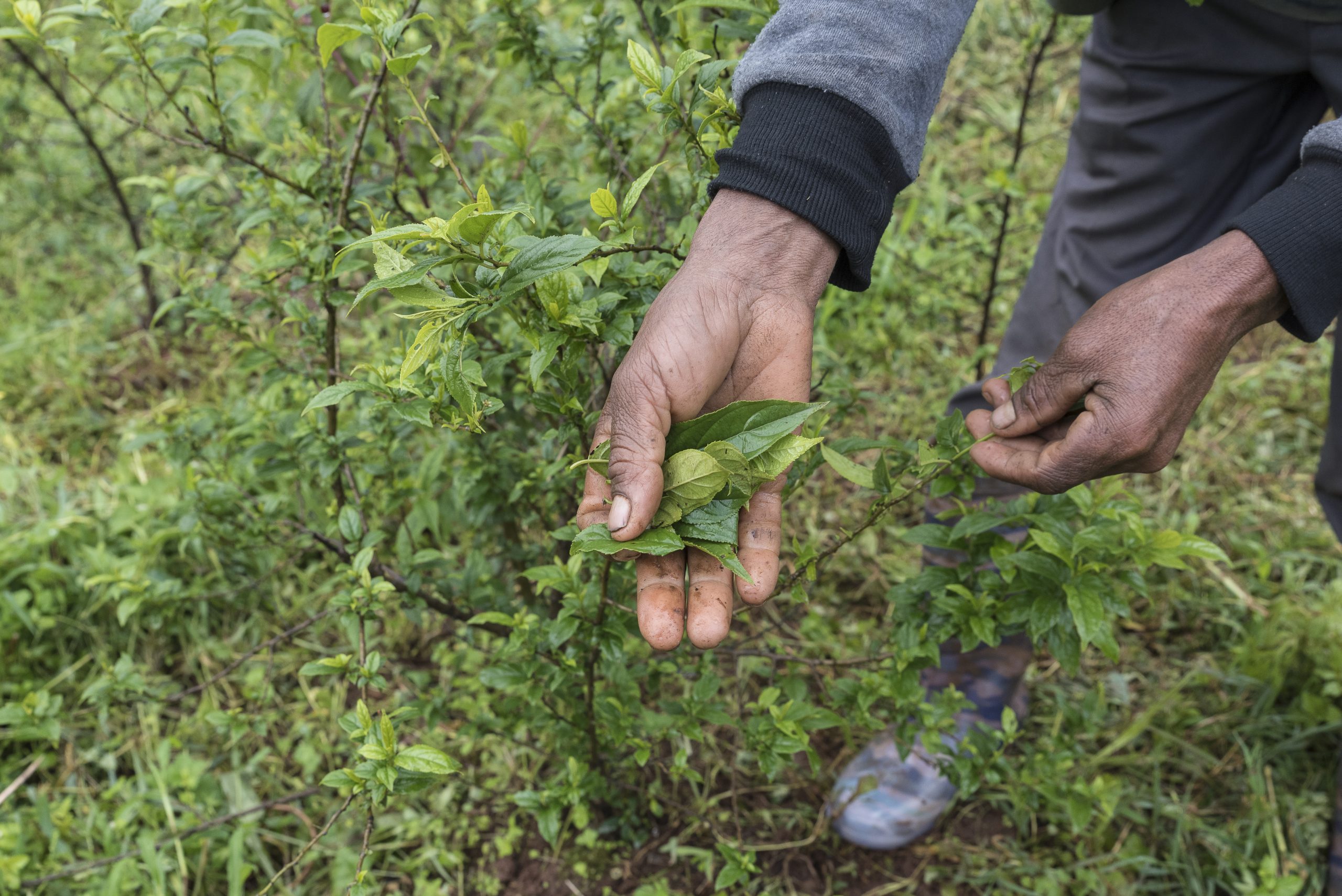
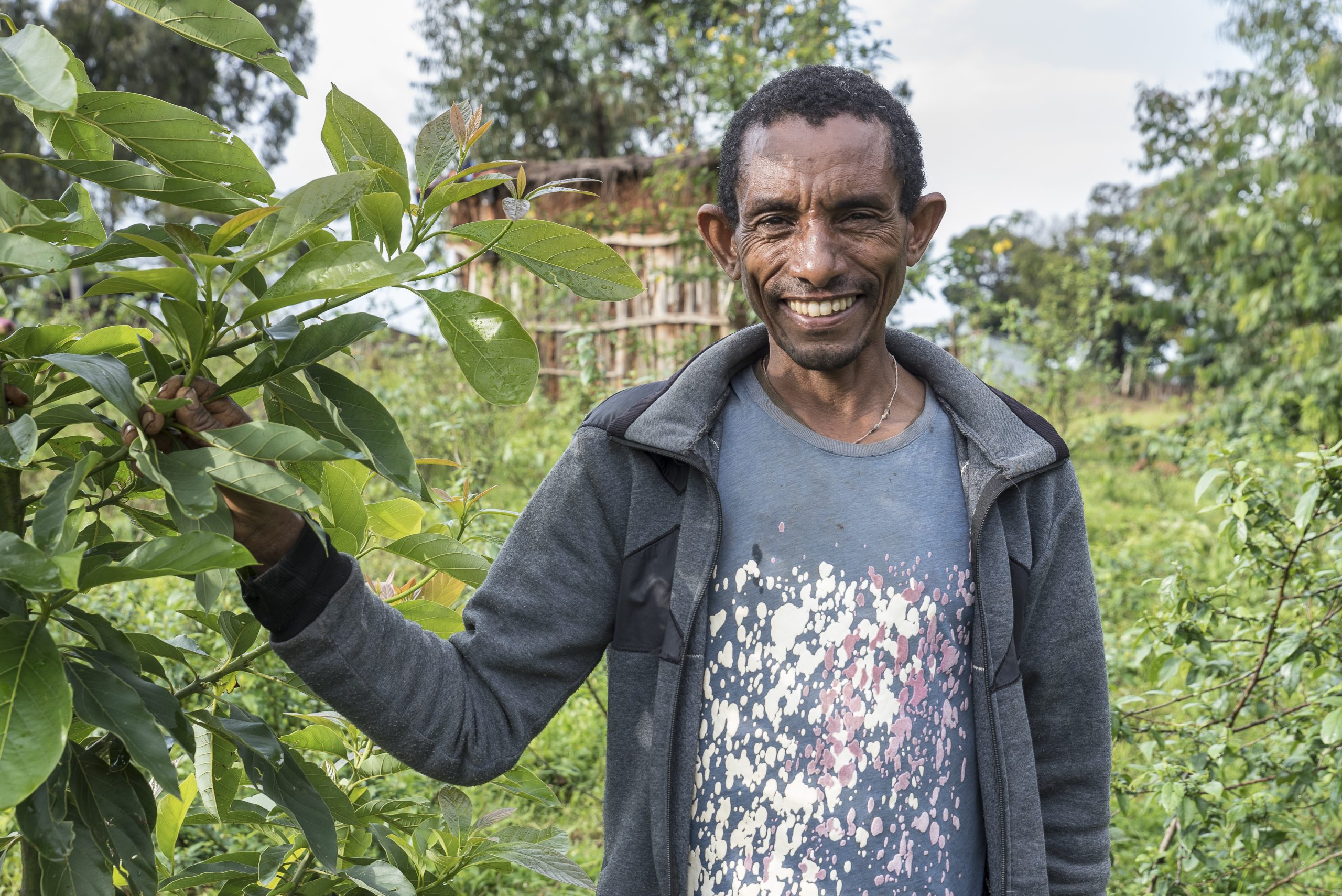
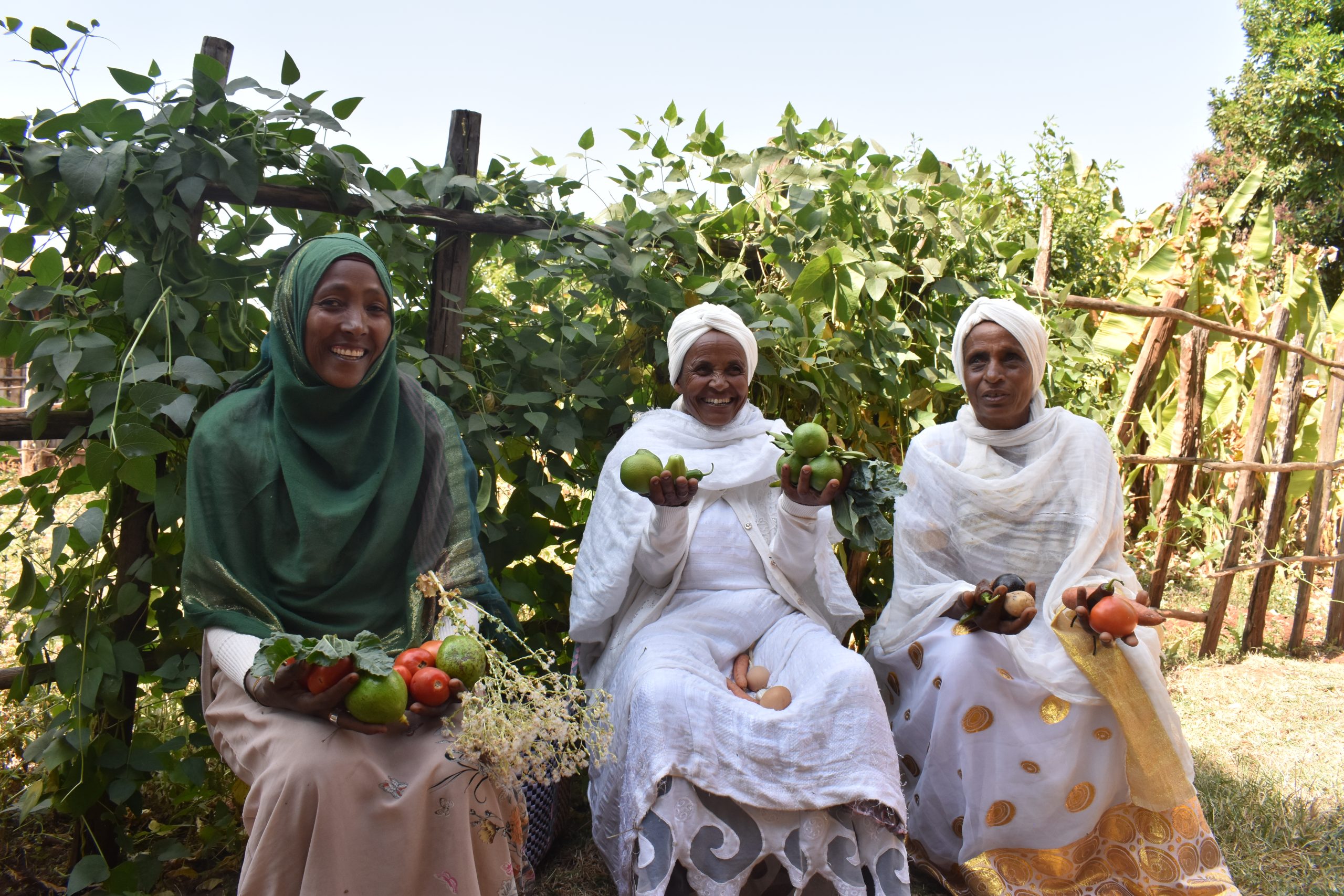
Food forests on farmyards ensure that residents can grow healthy food and earn an income. More than 7900 families are involved in the activities within this project. They learn which fruit trees give fruit all year round, keep bees for honey, maintain food forests, and produce stones to build houses. The harvest from the food forests is diverse and provides high nutritional value. And an excess of fruit, vegetables or honey can be sold for more income. They also receive cookers to prepare food.
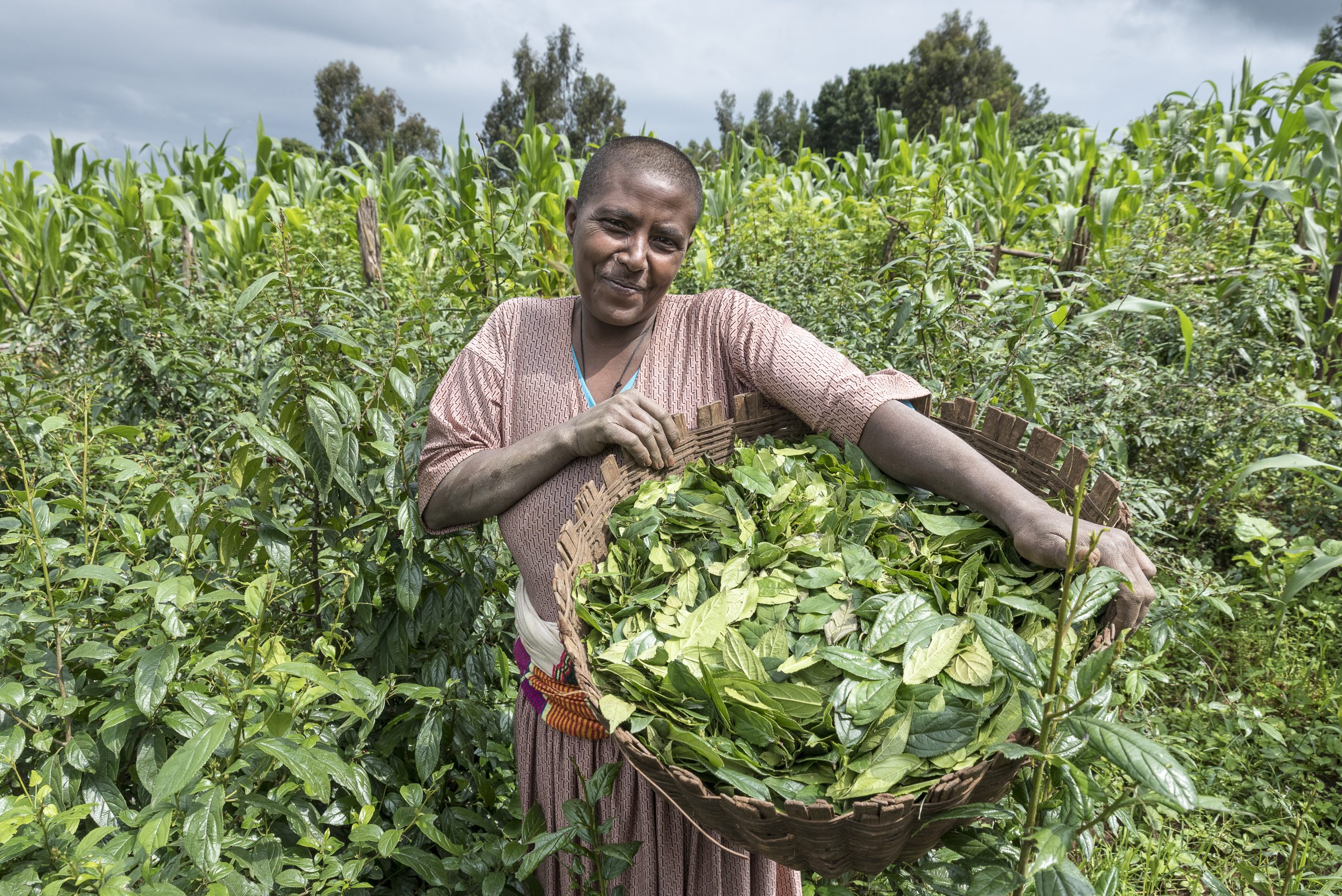
Because women and children are the most vulnerable in this area, it is important that our joint activities strengthen their position. For example, women now represent some 30% of the employees in the nursery. With their new skills they strengthen their position within their community. Yet a truly equal position demands a completely new thought, which takes a lot of time. This is what we keep working on with training on women’s rights.
Developments.
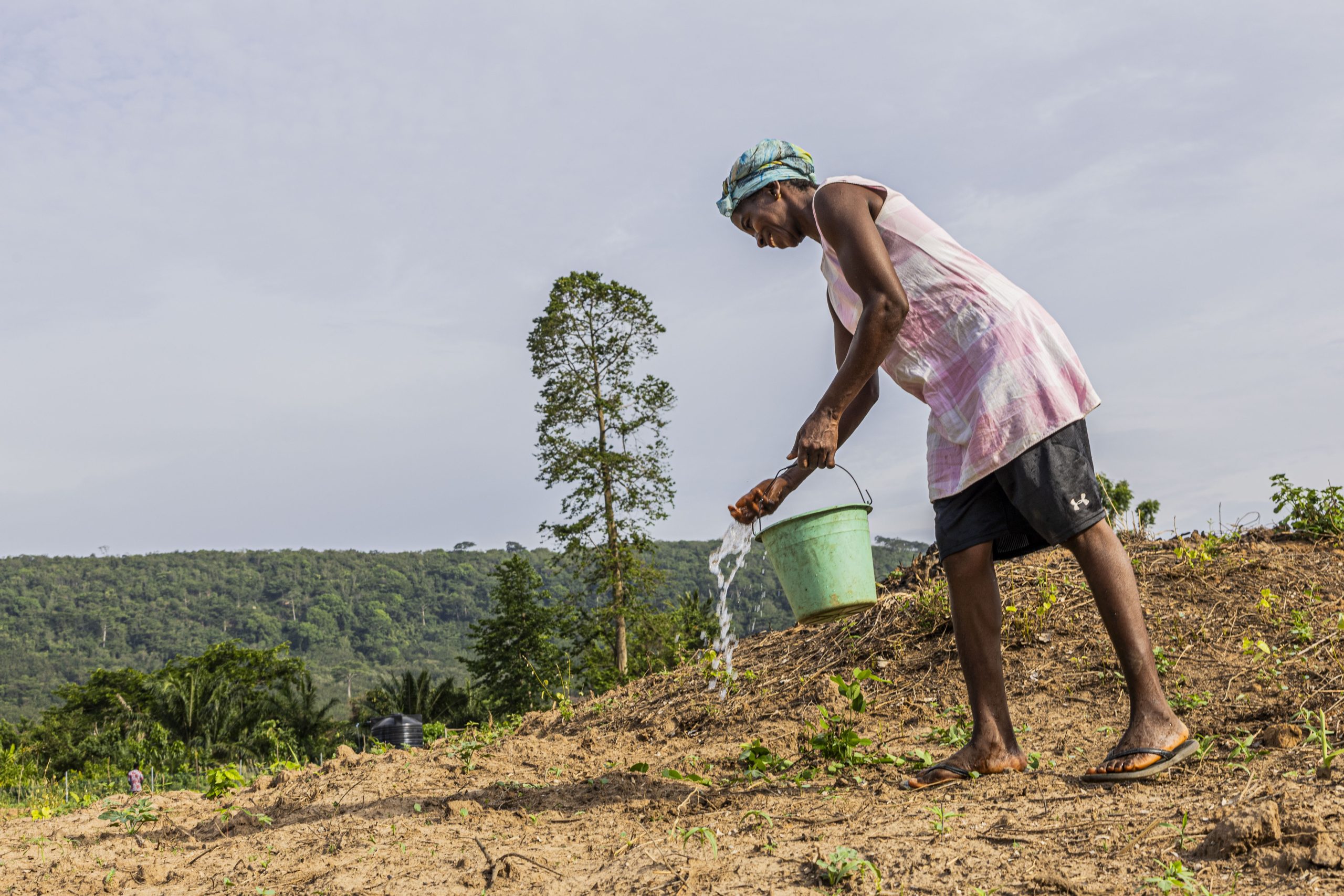
Many places in the West Gojam area where we have been working since 2017, have now undergone a real transformation. Large dry channels have replaced fresh green grass with fertile soil. Natural water sources arise or return: a great asset to man and nature! Residents learn to build dams, so heavy rain can wash away less fertile soil and prevent erosion. Newly planted trees allow the water to gradually sink into the ground.
The families we work with are positive about the developments within the project. They earn more income so children can go to school. And older people who can’t travel far in search of work now generate income thanks to the trees in their garden. Together the villagers work towards self-reliance, so that they can put an end to hunger and poverty and deal with the climate challenges of today and tomorrow. Together with their local government, they can ensure a prosperous future for themselves and nature.
Together, we put an end to hunger.
The Hunger Project shows with over 45 years of experience in various programme countries that the end of hunger is feasible. The approach varies from country to country, because the conditions are also different, but in all areas the people who are hungry are at the centre. They themselves carry the solution from the bottom, from the inside. Hungry is fixable, and we do it together. You too can be part of the solution. With your support, millions of people in various places in the world are working on a better future without hunger.