Global hunger is falling, but not fast enough.
The number of people who are chronically hungry worldwide has fallen by 2025. According to the new UN reportThe State of Food Security and Nutrition in the World 2026had645 million people. By 2024 there were 673 million.Good news, then. But progress is far too slow to eradicate global hunger by 2030.And progress is very unevenly divided.
1 in 5 people in Africa is hungry
The differences between regions are large. InAfrica has 20% of the population chronically hungry. That’s about 1 in 5 people. In Asia this figure is 6% and in Latin America and the Caribbean at 4.8%.If the current trend continues, 2030 will continue to be the case.512 million people chronic malnourishedare. 56% of them are expected to live in Africa.Women and children are also disproportionately affected. Women worldwide still have more to do with food insecurity than men. Worldwide, two in three children between 6 months and 2 years of age do not receive enough varied nutrition.
Healthy nutrition is priceless for millions of people
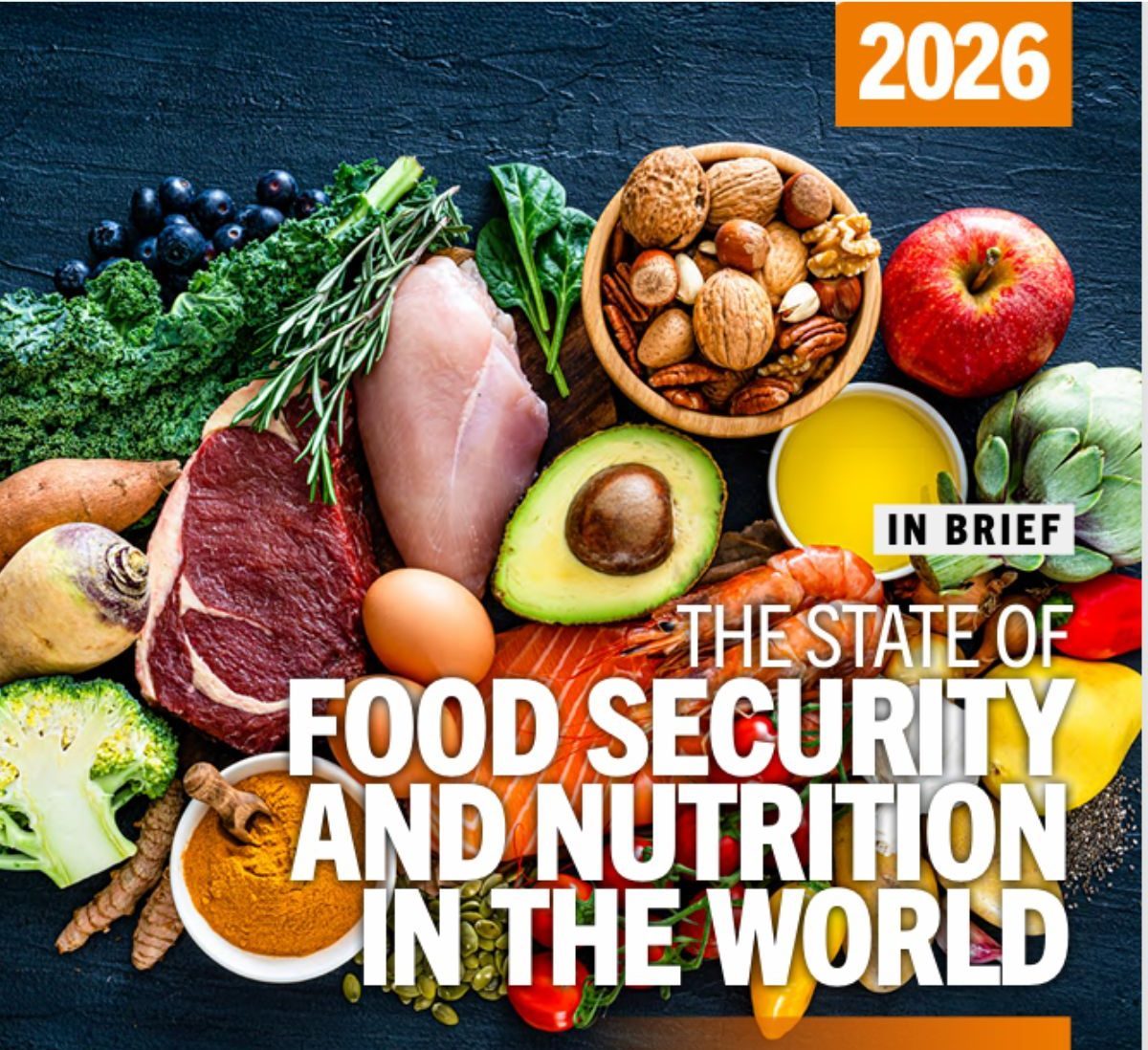
Hunger is not just about the amount of food available. People should alsocan eat healthy and nutritious foods. By 2025, 67.3% of the world’s population could afford a healthy diet. In Africa, that percentage was much lower:only 33.4%.The price of healthy food is not only determined by what farmers produce. Storage, transport, processing and sales also make food more expensive. Therefore strong, local food systems and sufficient income are essential to make healthy food accessible to all.
Solution starts locally
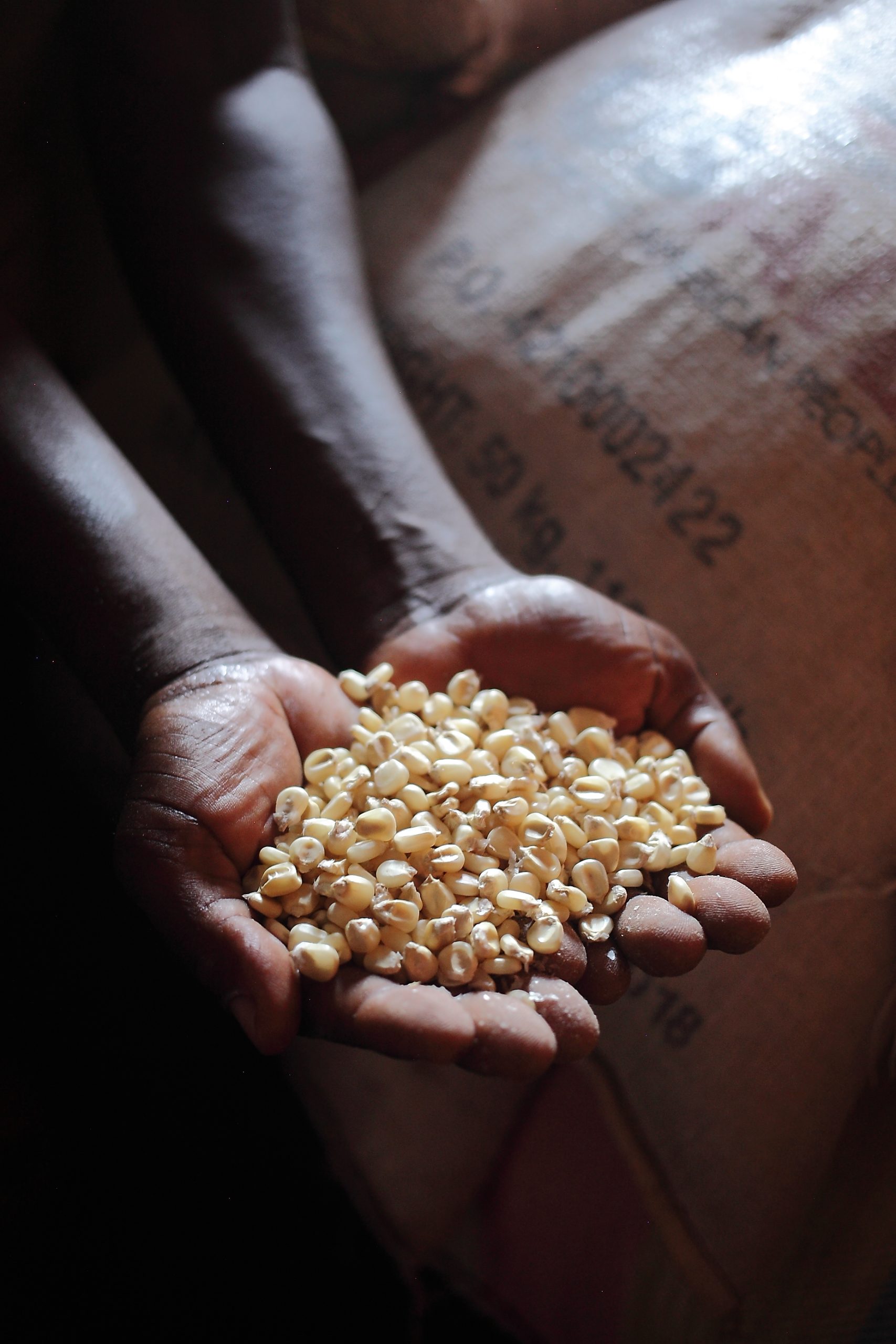
The UN report also shows where solutions lie. To make healthy food more affordable and accessible, investments are needed in strong and sustainable food systems. Think of better infrastructure and storage, less food loss and support for local food production. What measures are needed varies from country to region.It is important not only to look at food production. Income, local food supply, climate resilience and control are closely linked. This is precisely why solutions developed together with communities are so important.That’s a close match. the approach of The Hunger Project. Together with rural communities, we work on resilient local food systems, more income, healthy nutrition and leadership of women and young people. In this way, we not only strengthen access to food, but also the ability of people to develop sustainable solutions themselves.A world without hunger requires more than enough food. It calls for strong communities that have access to the means, knowledge and control to build their own healthy and resilient future.
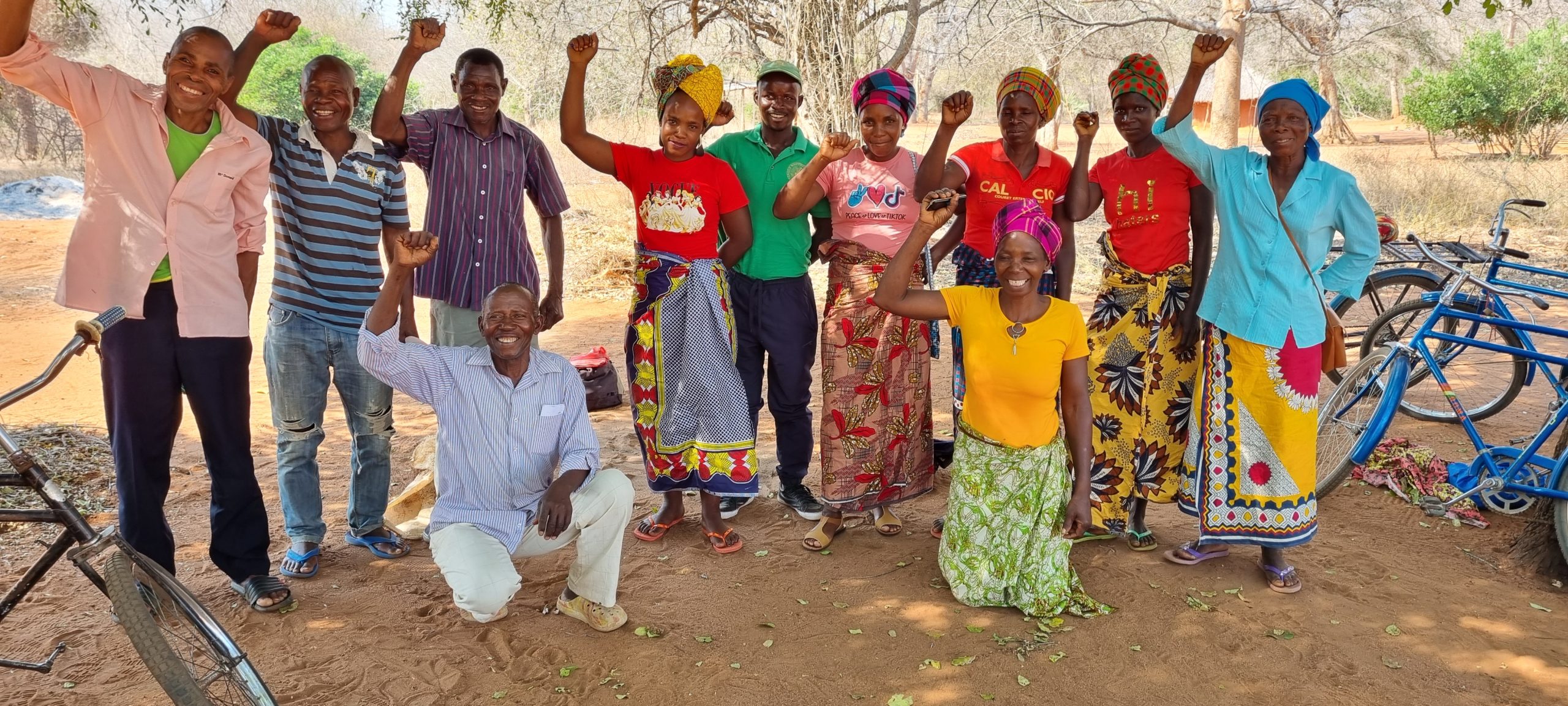
TheState of Food Security and Nutrition in the World 2026 (SOFI) was published on 21 July 2026 by the Food and Agriculture Organization (FAO), the International Fund for Agricultural Development (IFAD), UNICEF, the World Food Programme (WFP) and the World Health Organization (WHO).Read the full report
Together, we put an end to hunger.
The Hunger Project, with nearly 50 years of experience and programme achievements in 13 programme countries, shows that the end of hunger is feasible. The approach varies from country to country, because the circumstances also differ. But everywhere people with hunger are at the centre: they are carrying the solution. Hungry is fixable, and we do it together. You too can be part of the solution. With your support, millions of people are working to put an end to global hunger.