About hunger.
Hunger is a solvable problem.
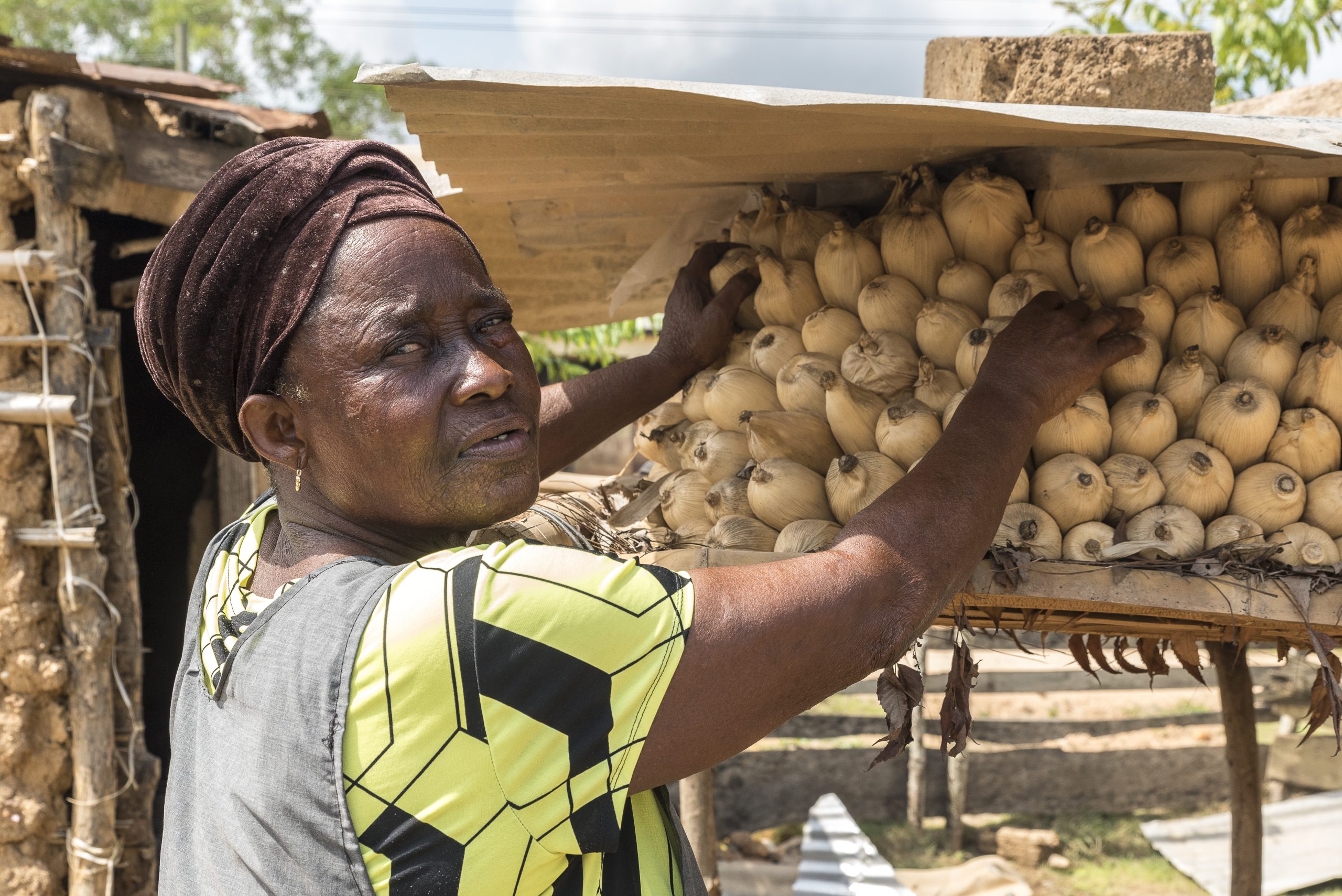
There is enough food for everyone. Yet an estimated 638 to 720 million people live with hunger. That is 1 in 13 people. Most people facing hunger live in rural Asia and Africa, often in poverty and with limited access to land, water, education and healthcare. And the majority of people living with hunger are women. Every day, they face the same question: where will the next meal come from?

Forms of hunger.
Acute hunger (famine) is caused by crisis, natural disaster or war. But most hunger is chronic: day after day, generation after generation. Because chronic hunger is structural, sending food is not a lasting solution. It brings short-term relief, but then the hunger returns. Ending hunger therefore calls for sustainable solutions.
Hunger is not only about having too little to eat, but also about a lack of nutrients. People with a very limited diet, for example only white rice, do not get enough vitamins and minerals and become malnourished. This is known as “hidden hunger”. Good nutrition is especially crucial for healthy growth and development in the first 1,000 days of life, from pregnancy to a child’s second birthday.
Consequences of hunger.
The effects of hunger go far beyond an empty stomach. Hunger affects your health, energy, development, concentration and performance, and therefore your future too.

Photo: Sophia Garcia
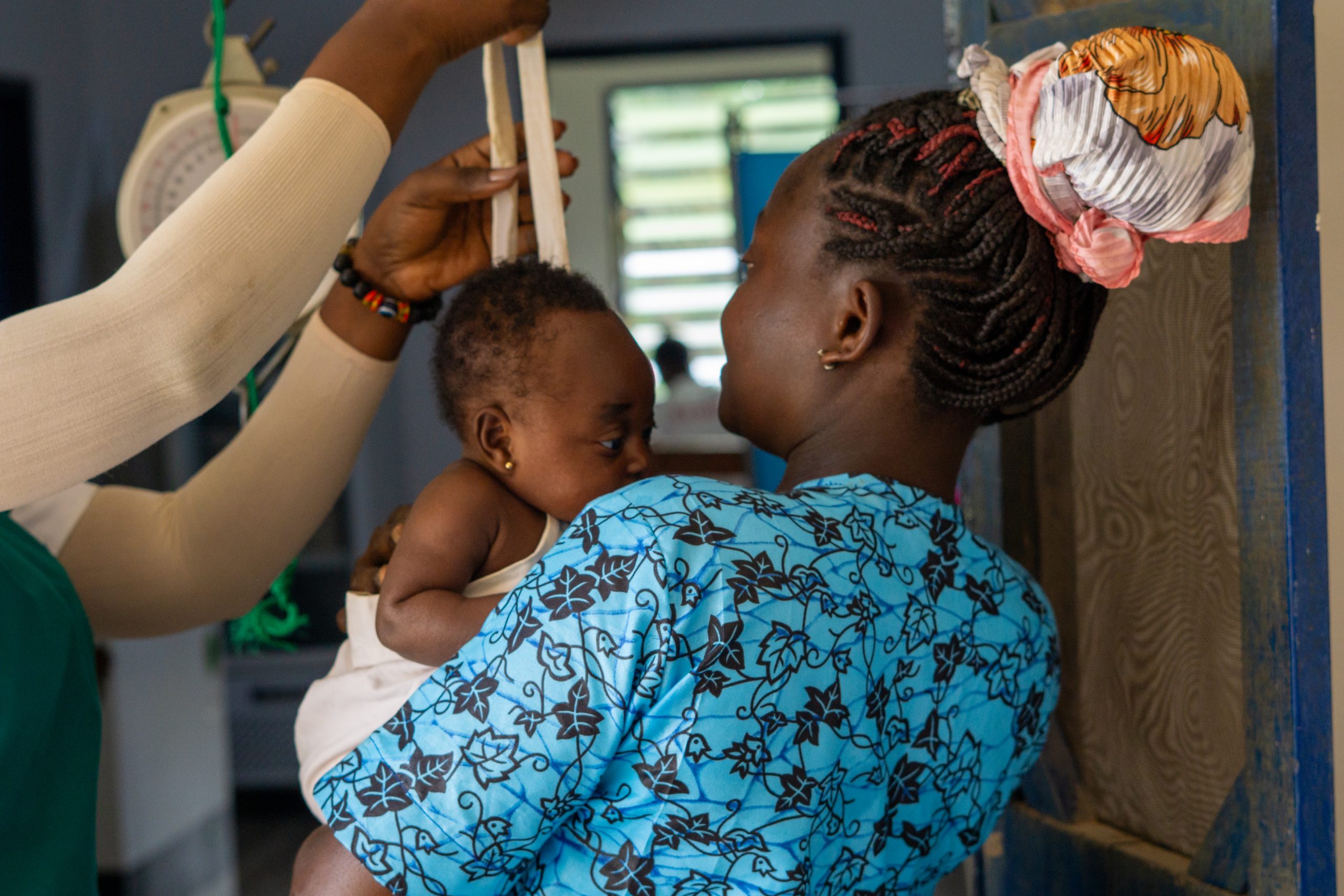
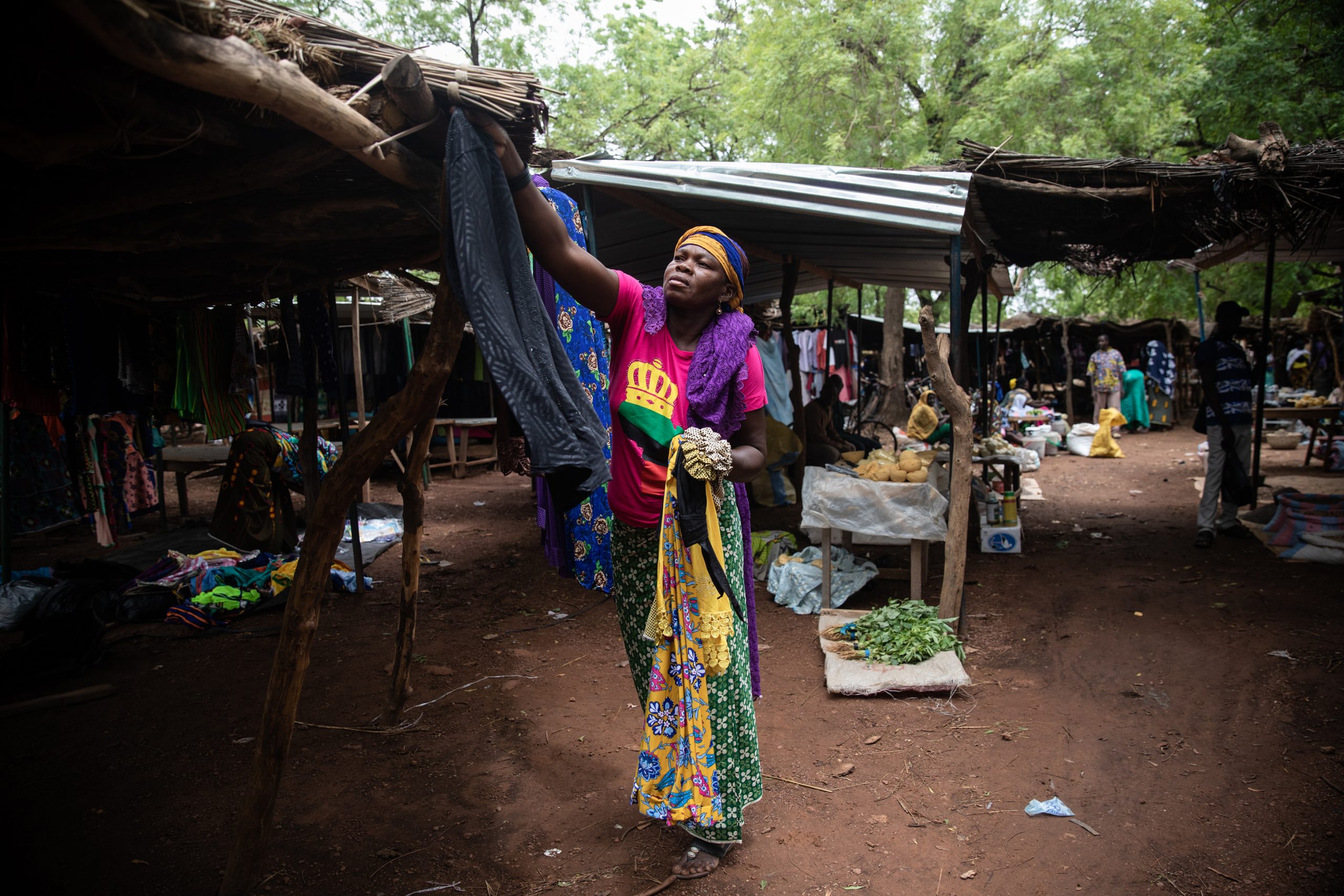
Photo: Sophia Garcia
A fundamentally flawed system.
Hunger is not caused by a lack of food in the world; there is enough for everyone. But because of inequality and poverty, not everyone has access to that food. This means our food system is fundamentally flawed. Chronic hunger also has other causes. It is a vicious cycle in which the environment, climate change, water, sanitation, education, healthcare and inequality between women and men all play a part.
Hunger is falling slightly.
The United Nations has committed to ending hunger by 2030. This is set out in Sustainable Development Goal 2: Zero Hunger. Millions of people around the world are working towards this goal, through The Hunger Project and through other organisations and initiatives. Last year, the proportion of people facing hunger fell slightly once again. This is a hopeful sign that the progress of earlier years may cautiously be returning. But this global average hides large differences. In Africa, hunger has not fallen, and in some countries it has even increased. That is why our work and your support remain so urgently needed.
A world without hunger is about people.
Progress may be slow, but we know that ending chronic hunger is achievable if we work together. The most important ingredient for a world without hunger is people living with hunger themselves. Because people living with hunger are not the problem; they are the solution.
Together we put an end to hunger
For almost 50 years and in 13 countries, The Hunger Project has worked alongside people who refuse to accept hunger as their future. Every community is different, but everywhere the solution starts with the people themselves. They have the ideas, the strength and the determination. Your support helps turn that into lasting change. Together, we can end hunger for good.”

Photo: Anna Zhu