Our programmes.
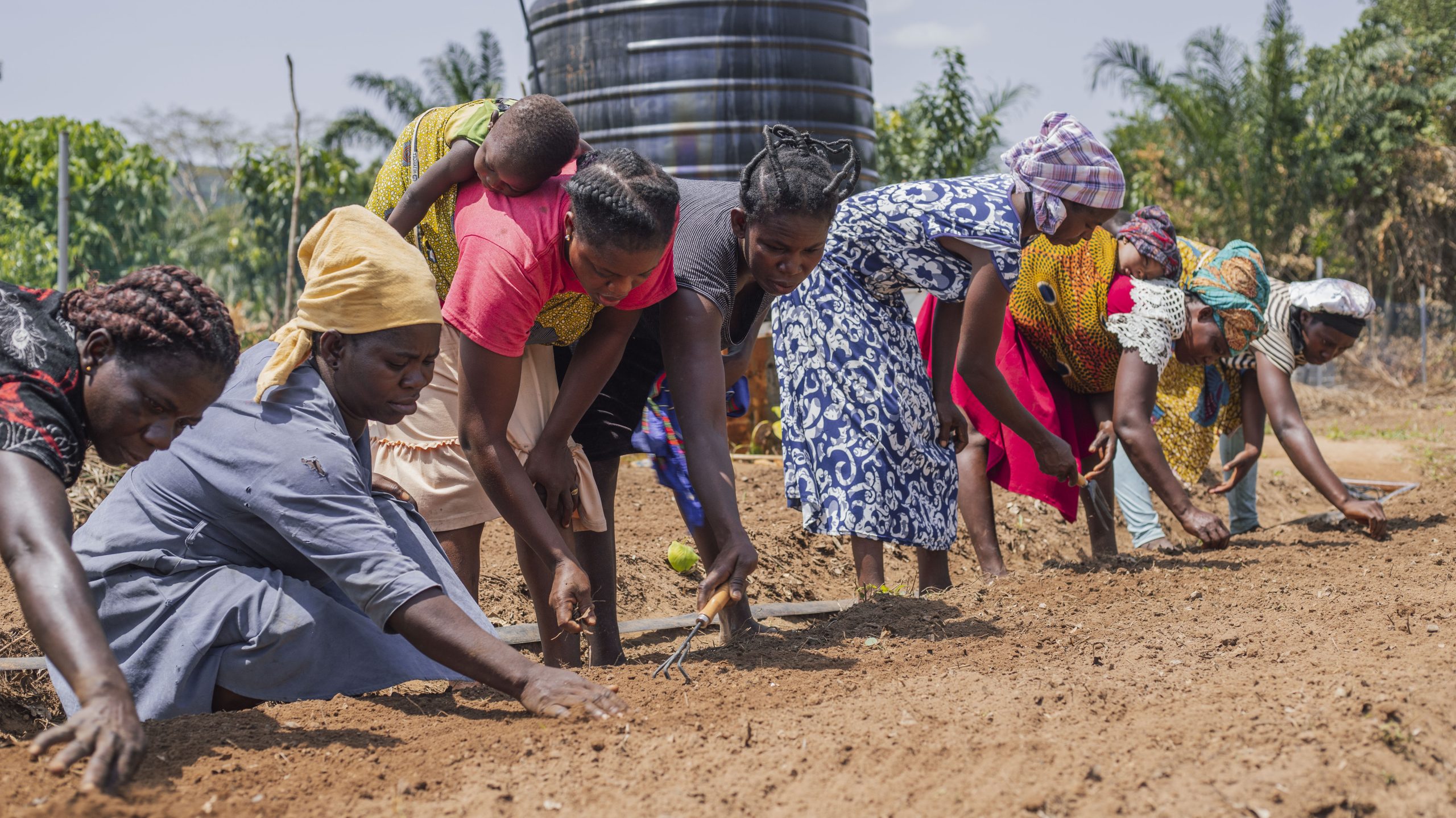
Our programmes reached nearly 13 million people in the poorest areas of Africa, South Asia and Latin America in 2025. We focus on nutritious food, climate-resilient agriculture, water, health and peacebuilding. Because systemic inequality fuels the global hunger crisis, women and young people play a leading role in our programmes. In this way, we tackle the root causes of hunger. After all, there is enough food for all of us, and everyone deserves a place at the table.
The Hunger Project is active in more countries worldwide than you see here. View our country overview for a full picture of where we work.
From women’s leadership in India to conservation and economic development in Africa: discover how our programmes help build a world without hunger, and how you can get involved.
An overview.
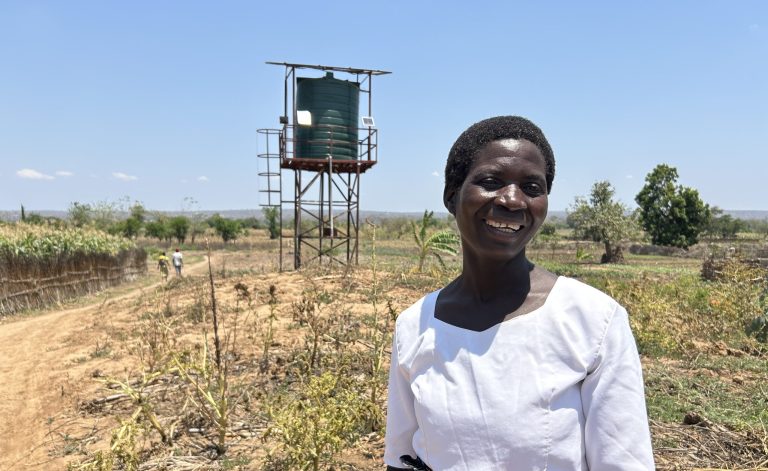
The Hunger Project has been working around Majete Wildlife Reserve in Malawi since 2011. This 700 km² protected area lies in the south of Malawi. Around 60,000 people live in the area surrounding the reserve, which for a long time was remote and hard to reach.
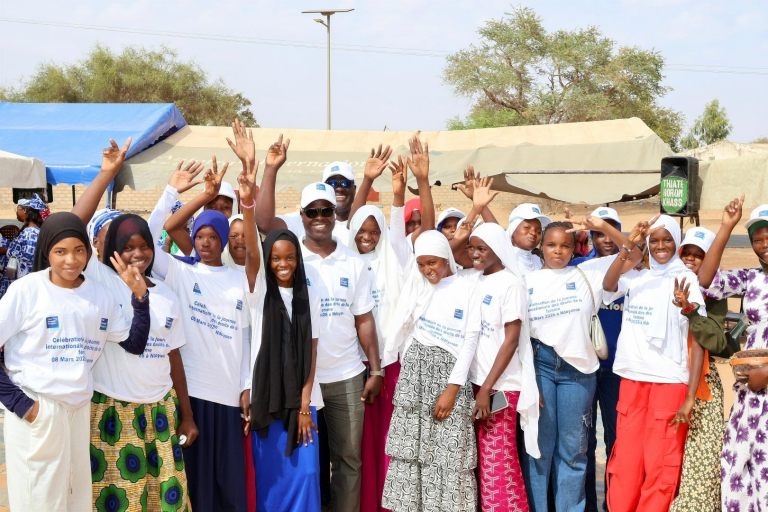
In the municipality of Ndoyene, in northern Senegal, the land is dry and water is scarce. Most people live off what they grow, but rainfall has become unreliable and harvests are failing more and more often.
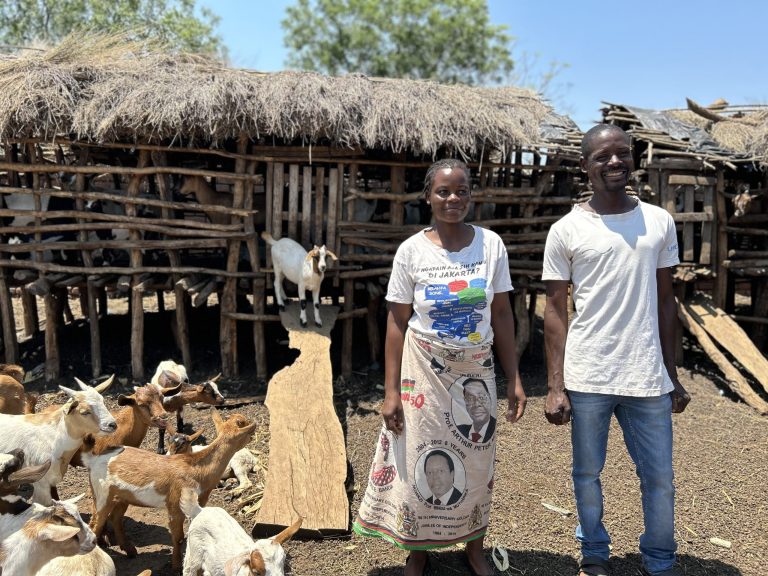
In 2025, The Hunger Project launched an ambitious project around Nyika National Park and Vwaza Marsh Wildlife Reserve. Conservation organisations protect the wildlife in the parks, but thousands of people living around them face extreme poverty.
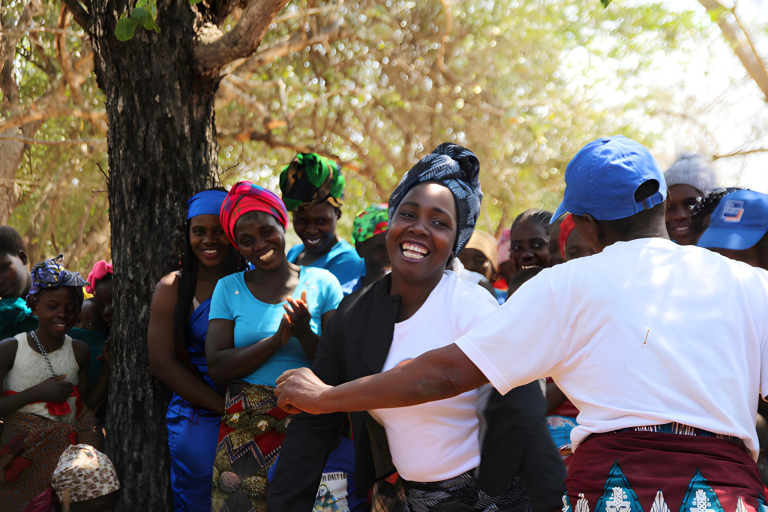
In 2021, The Hunger Project and Peace Parks Foundation launched an ambitious project around Zinave National Park in Mozambique. Great efforts are being made to protect a range of species in the park, but the people in the surrounding villages live in severe poverty.
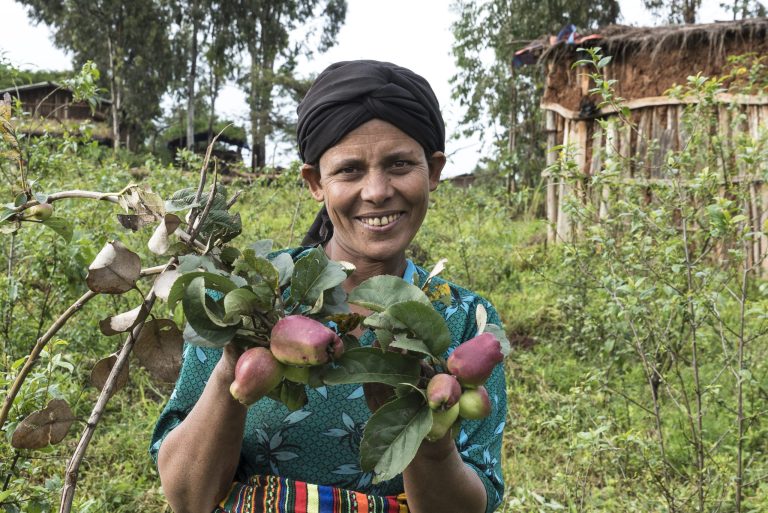
Gewocha in Ethiopia was once a thriving forest, rich in biodiversity. But today very little remains of the original old-growth forest, on which 42,000 people in 14 villages depend for their livelihoods. We have two goals: to counter the effects of climate change by strengthening the area’s biodiversity, and to improve the community’s food security and standard of living.
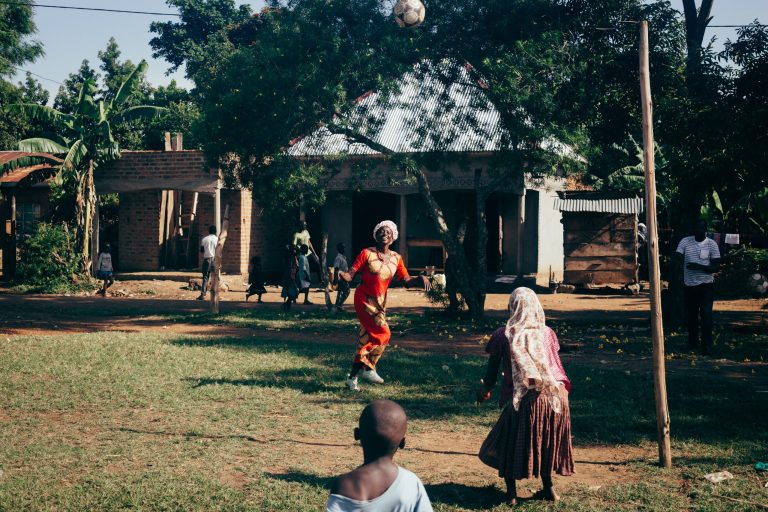
Food security and peace are closely linked. Where people cannot rely on food, water, land or work, tensions rise and it becomes harder to build a future together. Hunger can fuel conflict, and conflict in turn often leads to hunger.
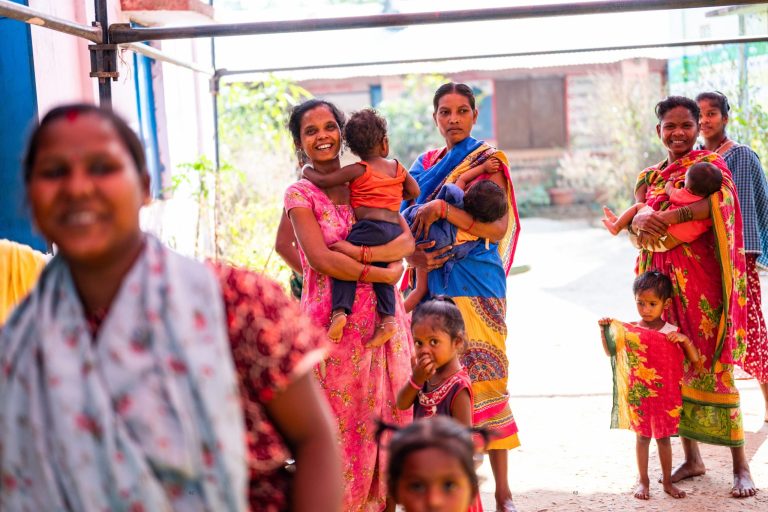
Through Odisha’s 100, we invest in women’s leadership in India. Although India’s economy is growing, poverty, hunger and inequality remain deeply rooted in society. The Hunger Project knows that women are the key to breaking this cycle. That is why, in the state of Odisha, we train and support women in their leadership roles.
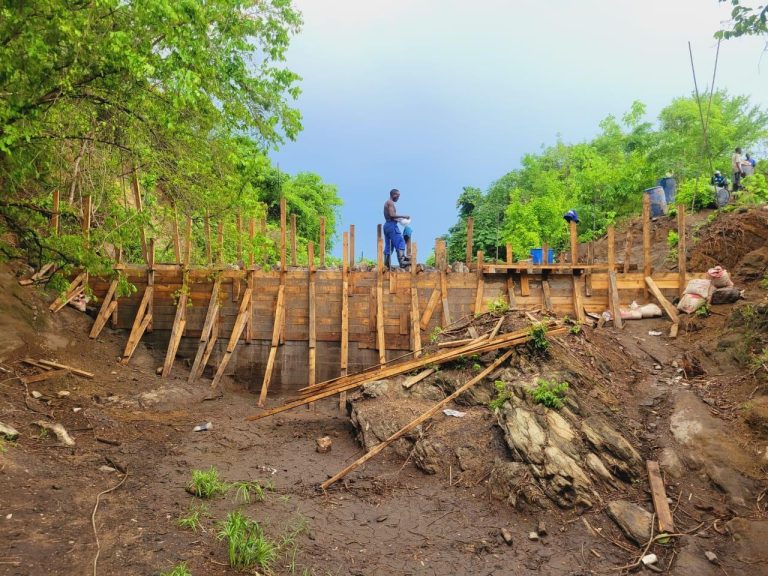
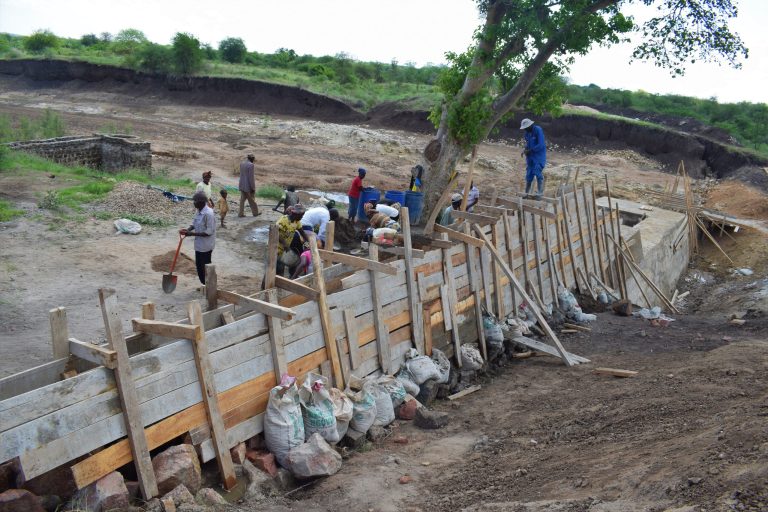
Around 2.2 billion people worldwide cannot take safe water for granted. Yet water is vital for everything from drinking and cooking to washing and farming. In large parts of Africa, water shortages are a structural cause of hunger and poverty. Through the “Water Winnen” programme, The Hunger Project is working towards a sustainable solution.