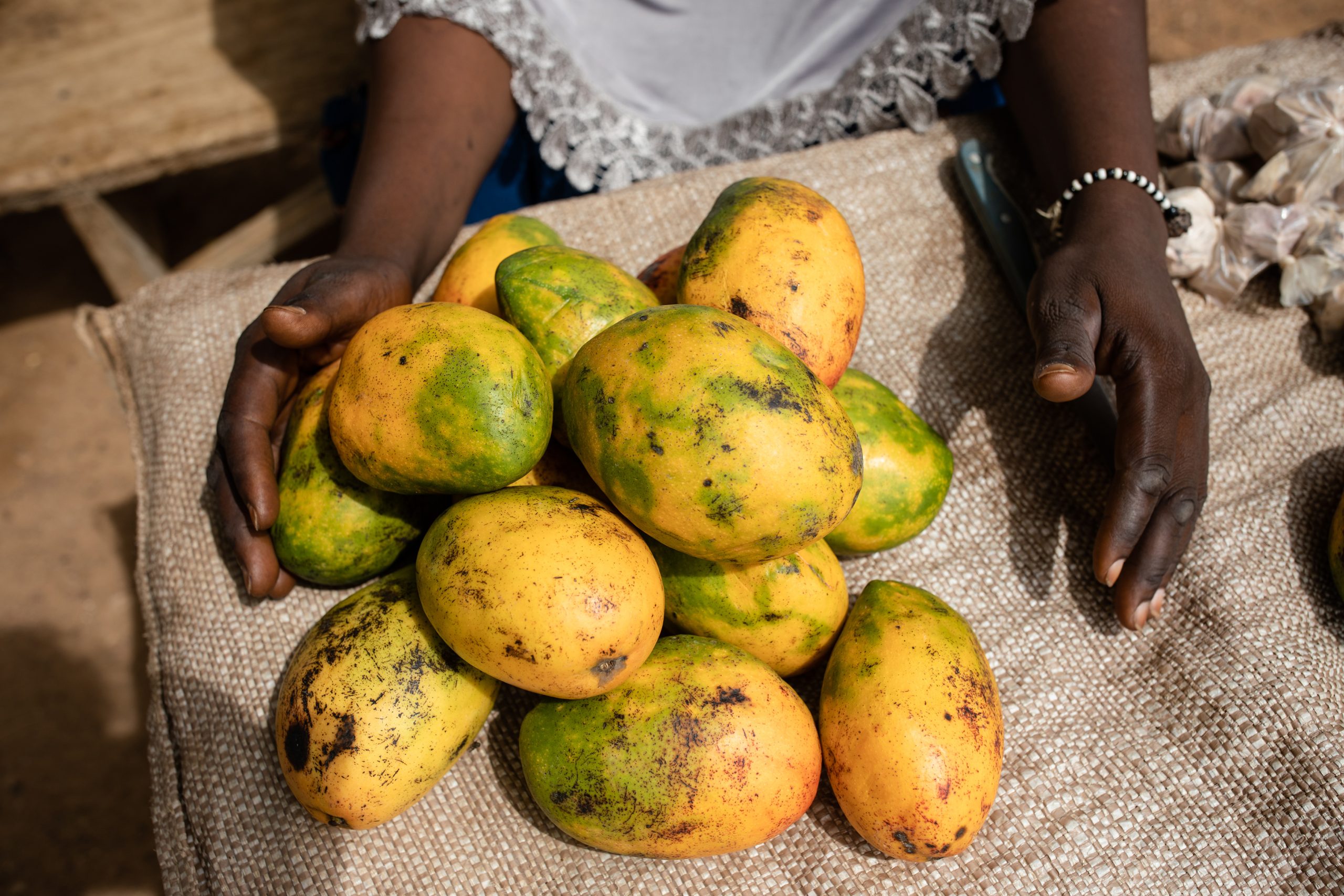
Food security
Hunger is about more than food. Discover how The Hunger Project is building food security through agriculture, water, gender equality and local governance.
Food is the foundation of everything. It gives people the strength to go to school, earn a living, care for their families and pursue their dreams. That is why hunger and malnutrition affect far more than an empty stomach: they hold back health, development, productivity and economic growth. Yet almost a third of the world’s population lacks access to enough safe, nutritious food. The Hunger Project therefore tackles the structural causes of hunger and malnutrition, because lasting change starts not with the symptoms, but with the systems that cause them.
Source: SOFI 2026 (FAO, IFAD, UNICEF, WFP, WHO), figures for 2025.
Food security is about more than food
To understand hunger, you have to look beyond the plate. Food insecurity and malnutrition are driven by several factors that reinforce one another: whether there is enough food, whether people can afford it or grow it, and whether they know enough about healthy eating. Other factors play a major role too. Poor or unequal access to healthcare and clean water means people fall ill more easily and absorb fewer nutrients. Conflict, climate change and economic hardship make it harder to grow food or earn enough to live on. These problems hit people in poor and rural areas hardest, and women and girls often bear the brunt.
That is why The Hunger Project doesn’t see malnutrition as a single problem, but as the outcome of several interconnected systems: agriculture and food production, poverty and income, gender inequality, water and health, and how local government works.
So we invest in multiple systems at once – from agriculture and water to gender, health and local governance. Not to treat the symptoms, but to tackle hunger and malnutrition at the root. We do this together with the people affected, because lasting food security can only take hold when they have the knowledge, resources and organising power to shape it themselves.
The consequences: visible and invisible
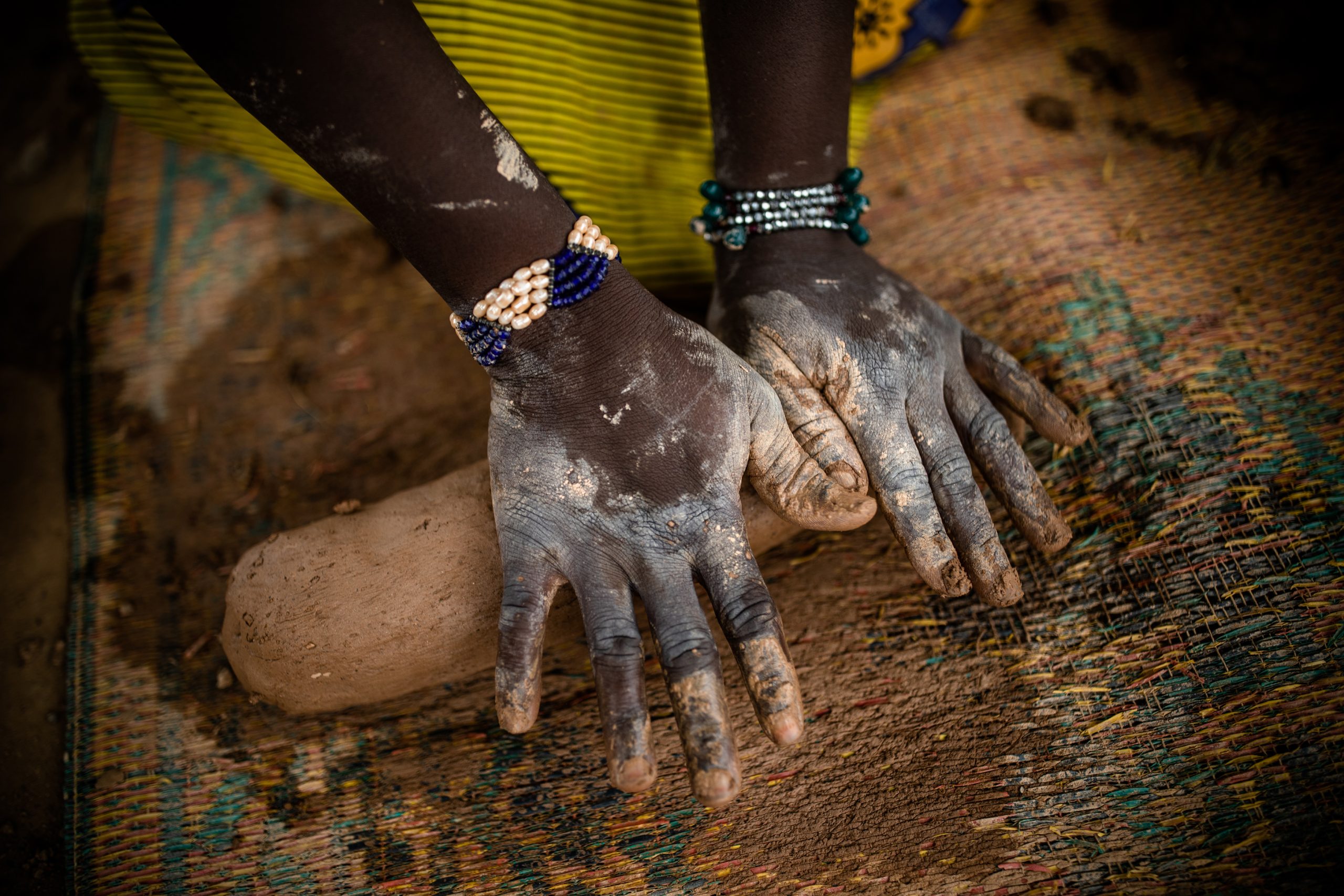
In children, not getting enough to eat leads to stunting (being too short for their age) and wasting (being too thin for their height). Worldwide, almost 148 million children under five are stunted. The damage to body and brain in the earliest years of life is permanent. A chronic lack of vitamins, minerals and protein also weakens the immune system, holds back cognitive development and leaves people vulnerable to every new shock.
Women and girls carry the heaviest burden. In many settings, they eat last and least – even during pregnancy and breastfeeding, precisely when nutrition matters most. A malnourished girl who grows up to become a mother herself is at significantly higher risk of having malnourished children. And so the cycle repeats itself, generation after generation, until the underlying causes are addressed.
What we do
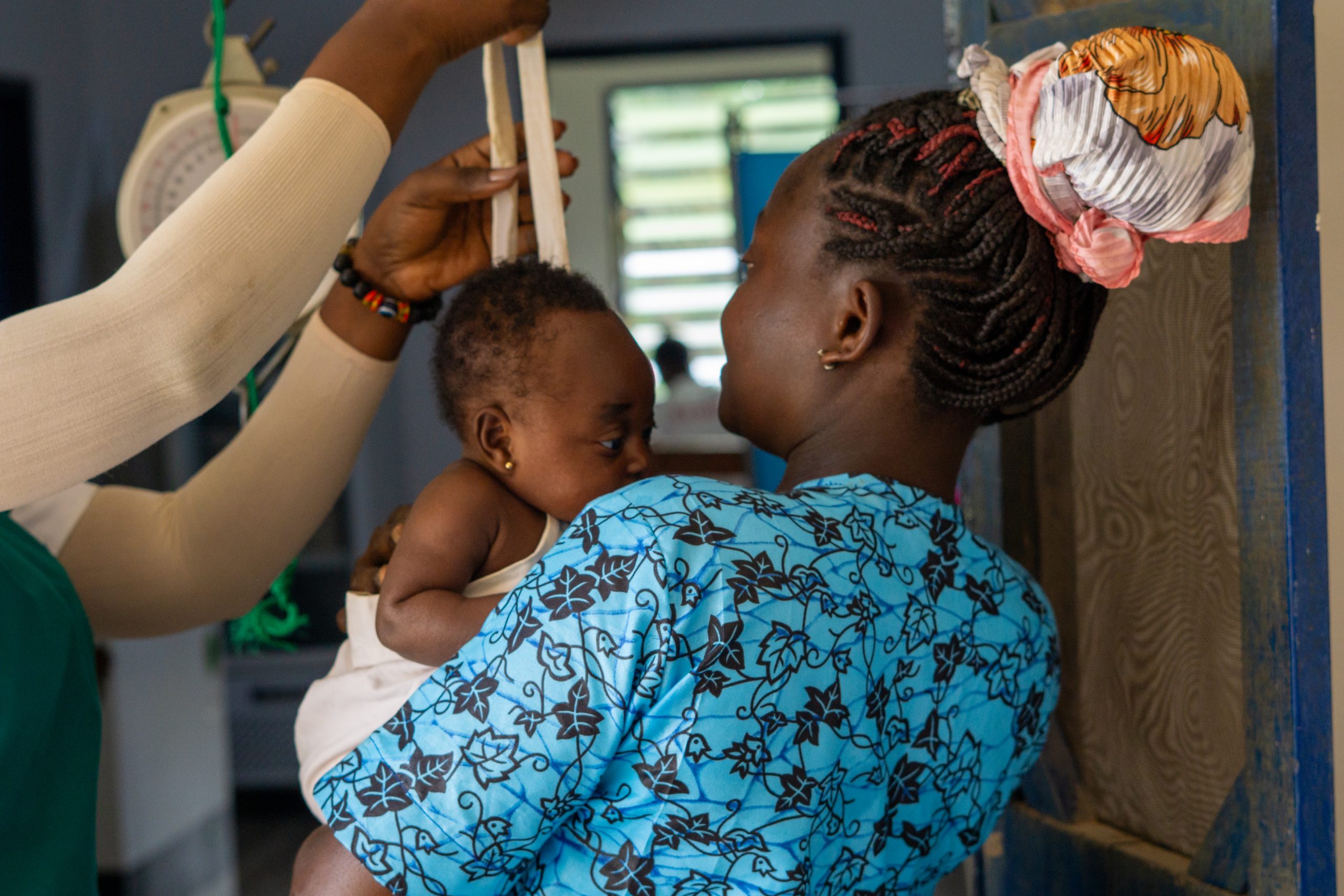
Food insecurity and malnutrition aren’t just about food. They are also about gender, water, health and poverty. That means one-off interventions rarely last – and that structural change calls for an approach that tackles all of these systems at once.
And we have seen that it works. Within the Right2Grow programme, this approach led to a substantial increase in public investment in nutrition and water. Over the course of the programme, combined government budgets across the six countries rose by 319 per cent: from €794 million in 2021 to €3.3 billion in 2025.
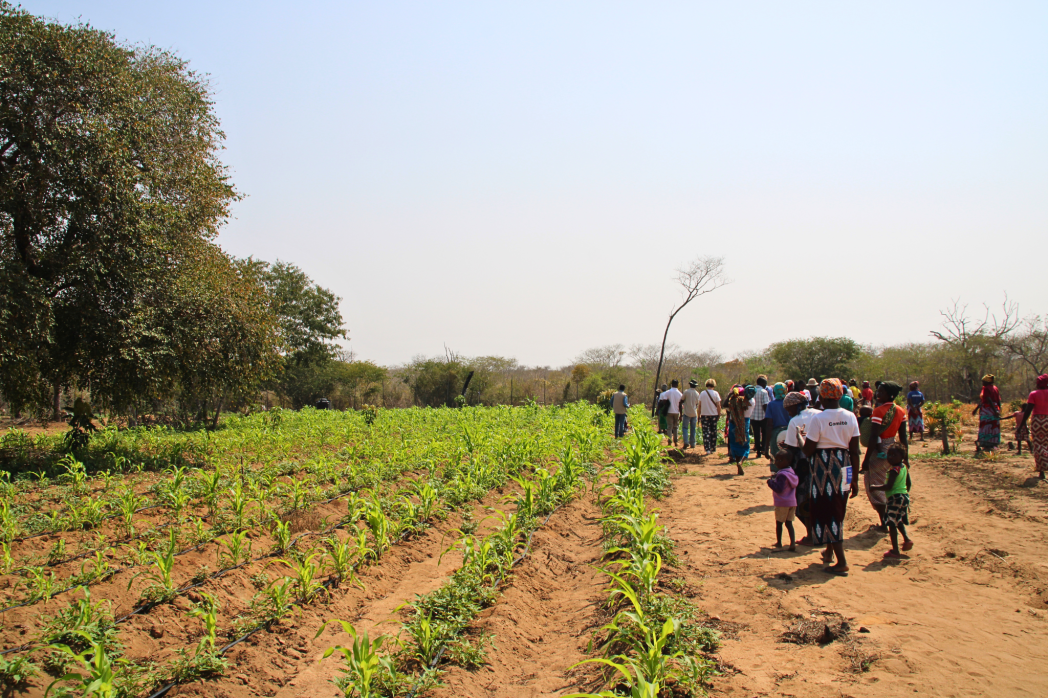
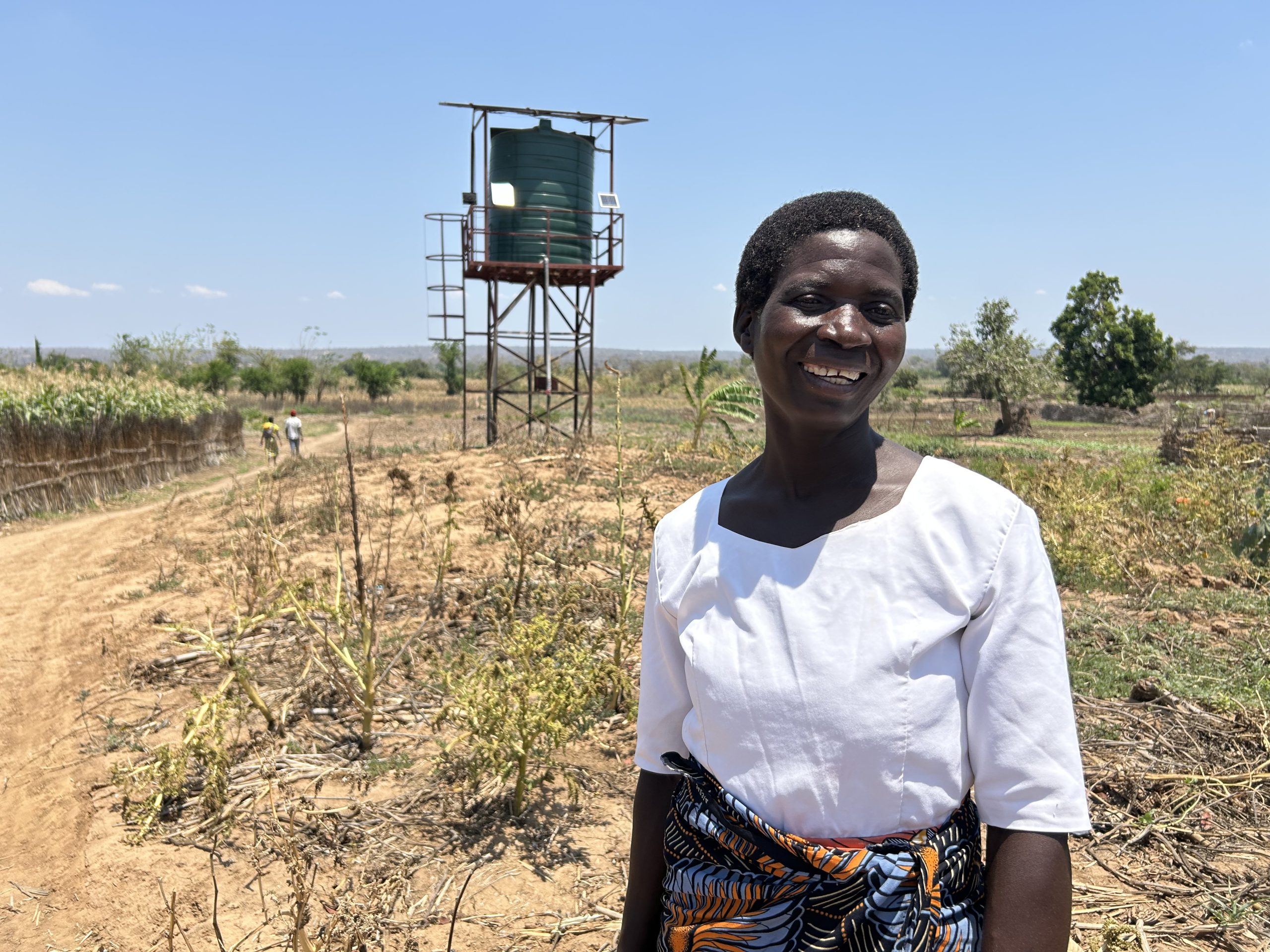
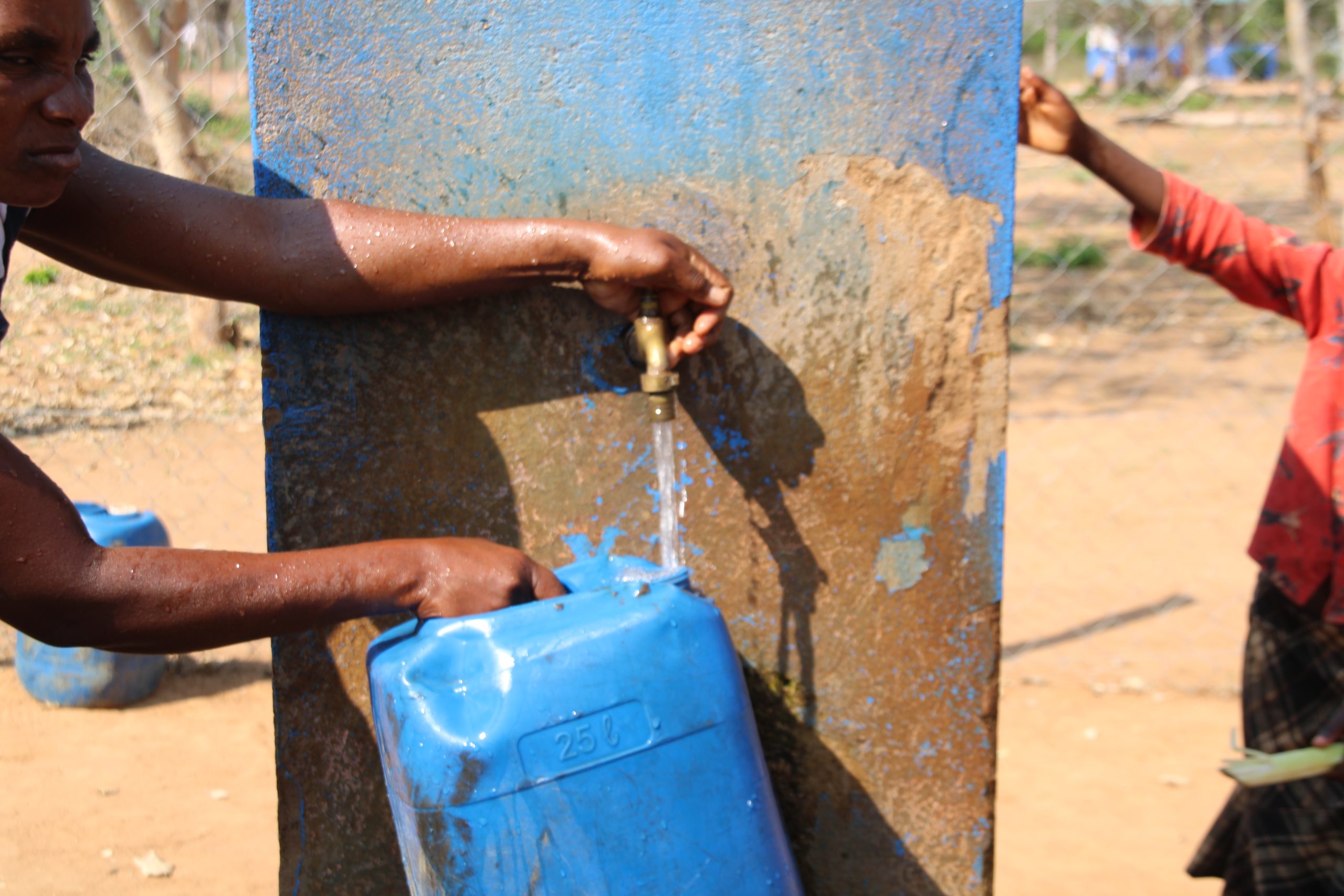
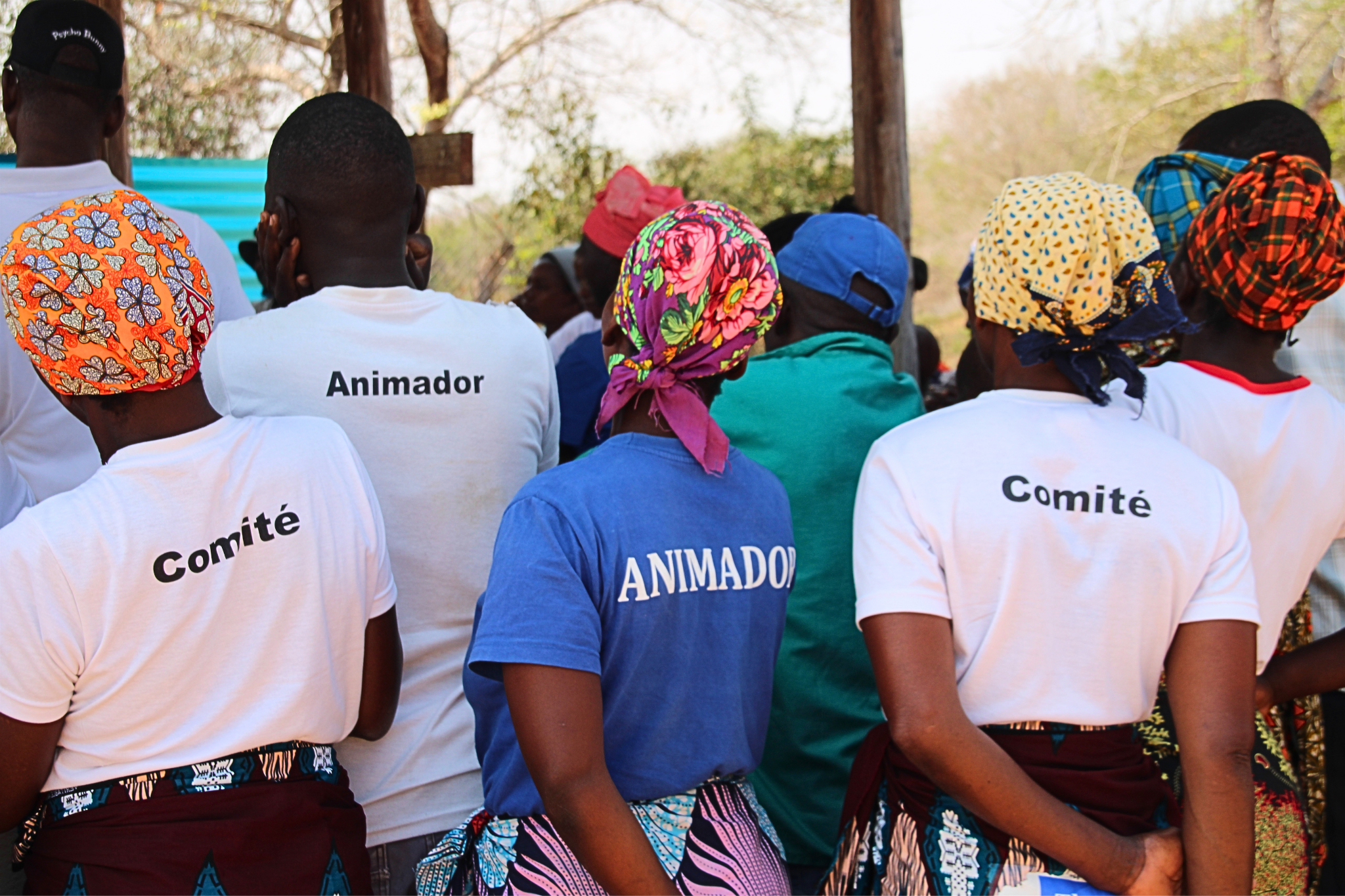
This is an average across 90 epicentres in 9 African countries that have reached self-reliance. The percentage shows the increase between a mid-term and a final assessment.
Fati is fighting malnutrition in Burkina Faso
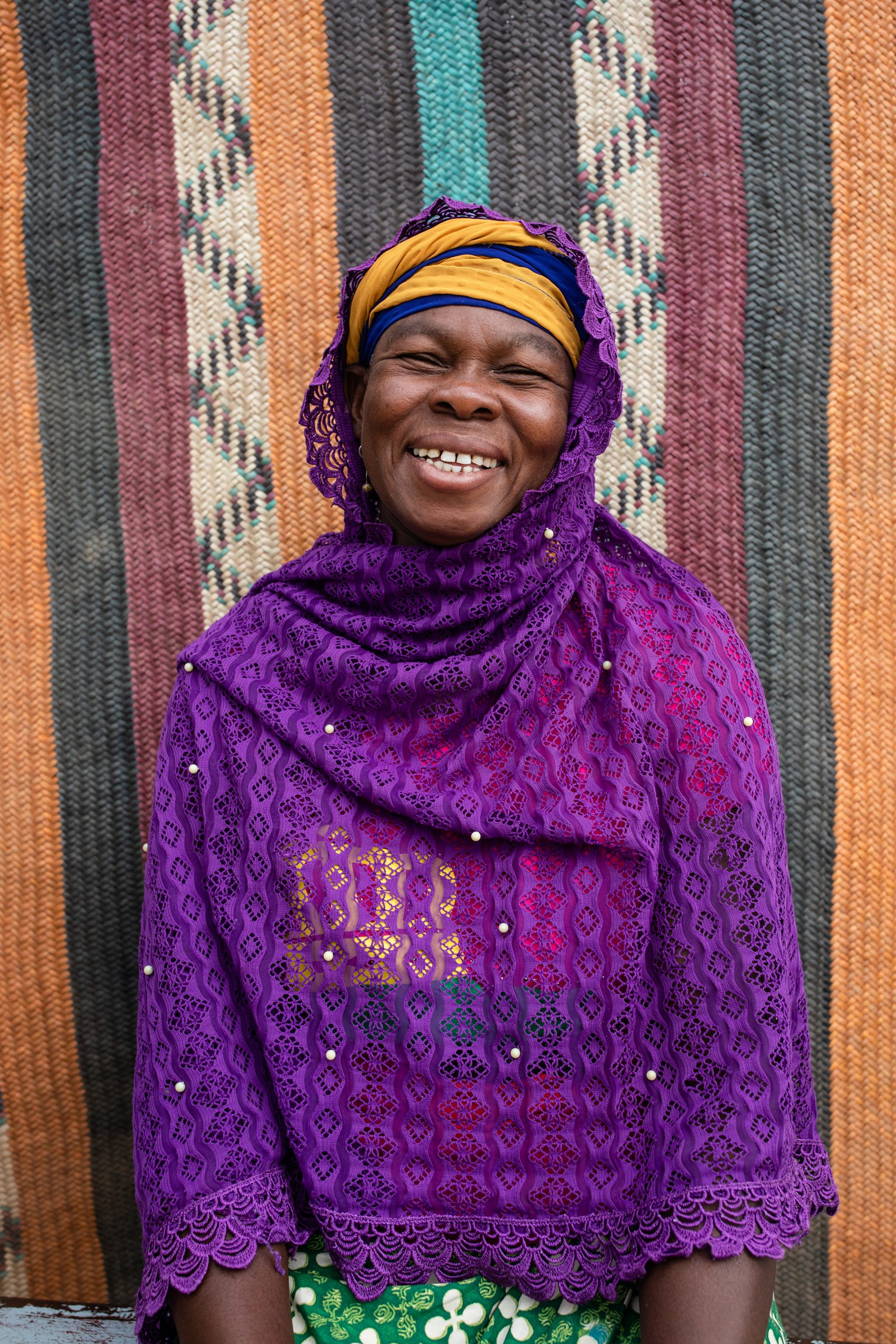
Fati goes from door to door in her village in Burkina Faso. She keeps track of which children are malnourished, advises mothers on healthy eating and makes sure children get the treatment they need. The Hunger Project trained her in health and nutrition: “Sometimes you really want to do something, but you don’t know how. This training gave us the knowledge we need to help malnourished children.” That is good news for mother and child alike. “When a child is no longer malnourished, a mother is freer to take up her other activities again.” Fati is one of more than 500,000 local volunteers trained by The Hunger Project – people who want change in their own communities and who, together, make a difference for millions of their neighbours.