Gender equality
Women play a key role in feeding their families and communities. Yet they often lack the same opportunities as men. We want to change that, because progress for women, means progress for everybody.
Hunger and inequality go hand in hand
Most people living with chronic hunger are women. Not because women are unlucky, but because inequality is built into the system. Women are central to producing, processing and distributing food. They provide water for their households and carry the responsibility for feeding their families. They are the backbone of the food system. And yet they systematically have less access to land, money, education and positions of influence. That is no coincidence. It is a structural problem that keeps hunger in place.
Women play a key role in feeding their families and communities. Yet they often lack the same opportunities as men. We want to change that, because progress for women, means progress for everybody.
How does it work?
Women play a key role in the food system. They grow crops, process and sell food, fetch water and make sure their families eat healthy meals. At the same time, in many communities they have less access to farmland, credit, education and technology, and less say in decisions that affect their own lives. And when food is scarce, they are often the first to eat less. This creates a vicious cycle. Women with fewer opportunities have less to invest in their families and villages. Children grow up with less nutrition, less education and fewer prospects. And the next generation starts out behind all over again. Gender inequality doesn’t simply fade as countries become more prosperous, either. It is woven into social norms, local structures and political systems. Tackling it takes a deliberate, long-term approach – one that comes from within.
Ginoca: a driving force for women entrepreneurs
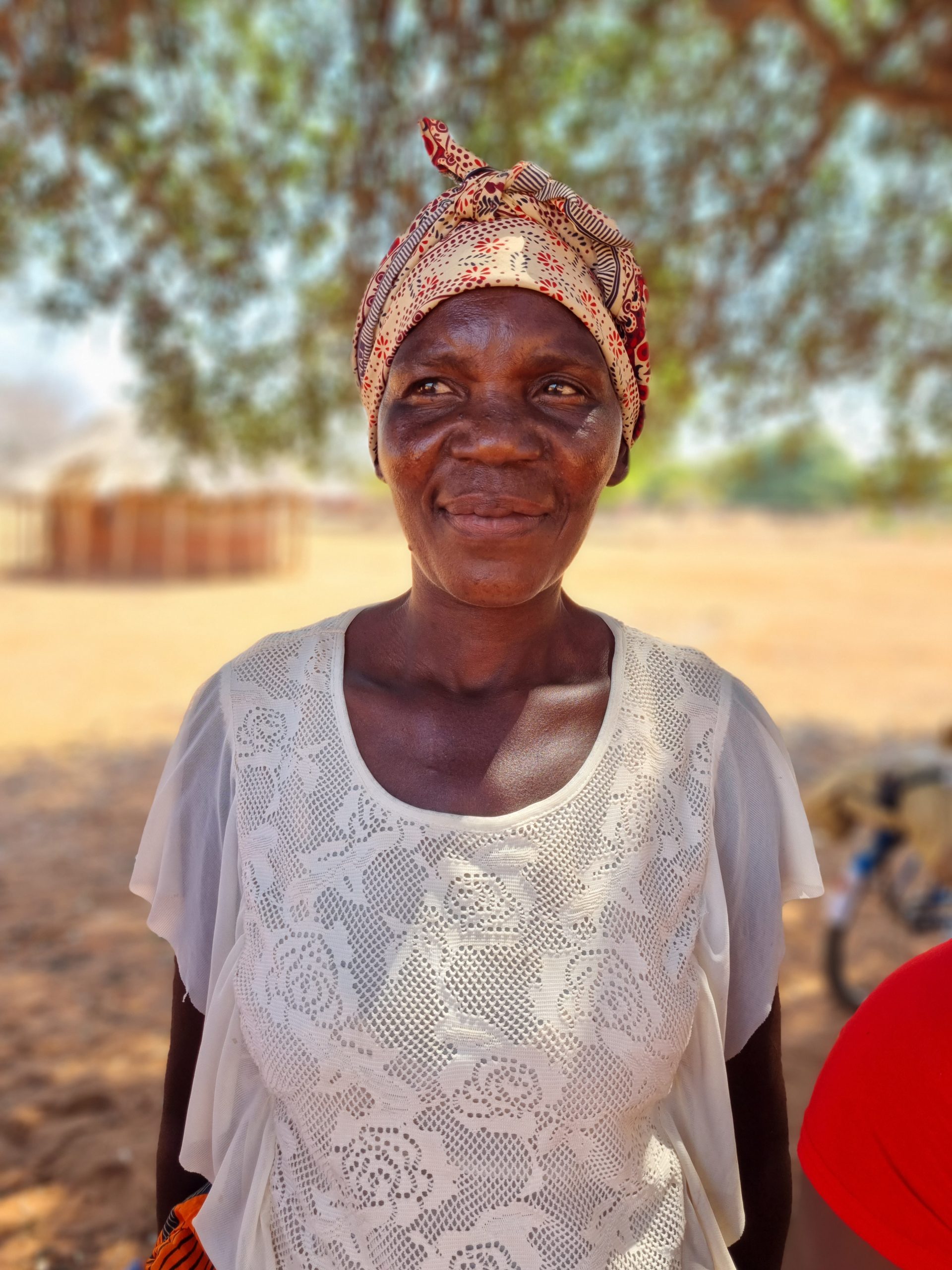
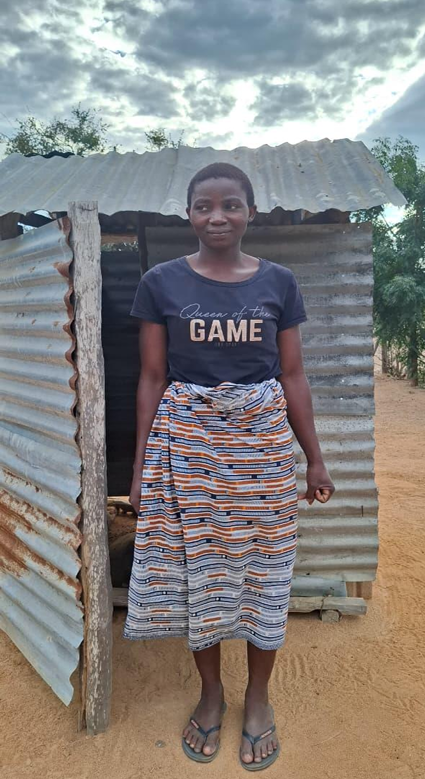
Ginoca (32) lives in Maculuve, Mozambique, with her family of ten. For a long time, life was about making ends meet. Farming was their only source of income, but it never brought in enough, and clean water wasn’t always within reach.
In 2023, she joined the Maculuve epicenter. She took part in training on sustainable agriculture, women’s empowerment and entrepreneurship. Her harvests grew, and she started selling vegetables and homemade soap.
But she didn’t stop there. Ginoca was elected to the epicenter committee and now mobilizes more than 25 women to build their leadership and business skills. This is exactly what we believe in: when a woman gains a voice and knowledge, the whole community reaps the rewards.
“You don’t need to have everything to get started,” says Ginoca. “You need the will to take something on. The rest comes with commitment, teamwork and knowledge.”
What we do
Gender equality is at the heart of everything The Hunger Project does. It is a guiding principle in every country and every programme. At its core, our work is about people taking charge of their own lives, with women leading the way. Because experience shows, time and again, that this is where the greatest progress can be made.
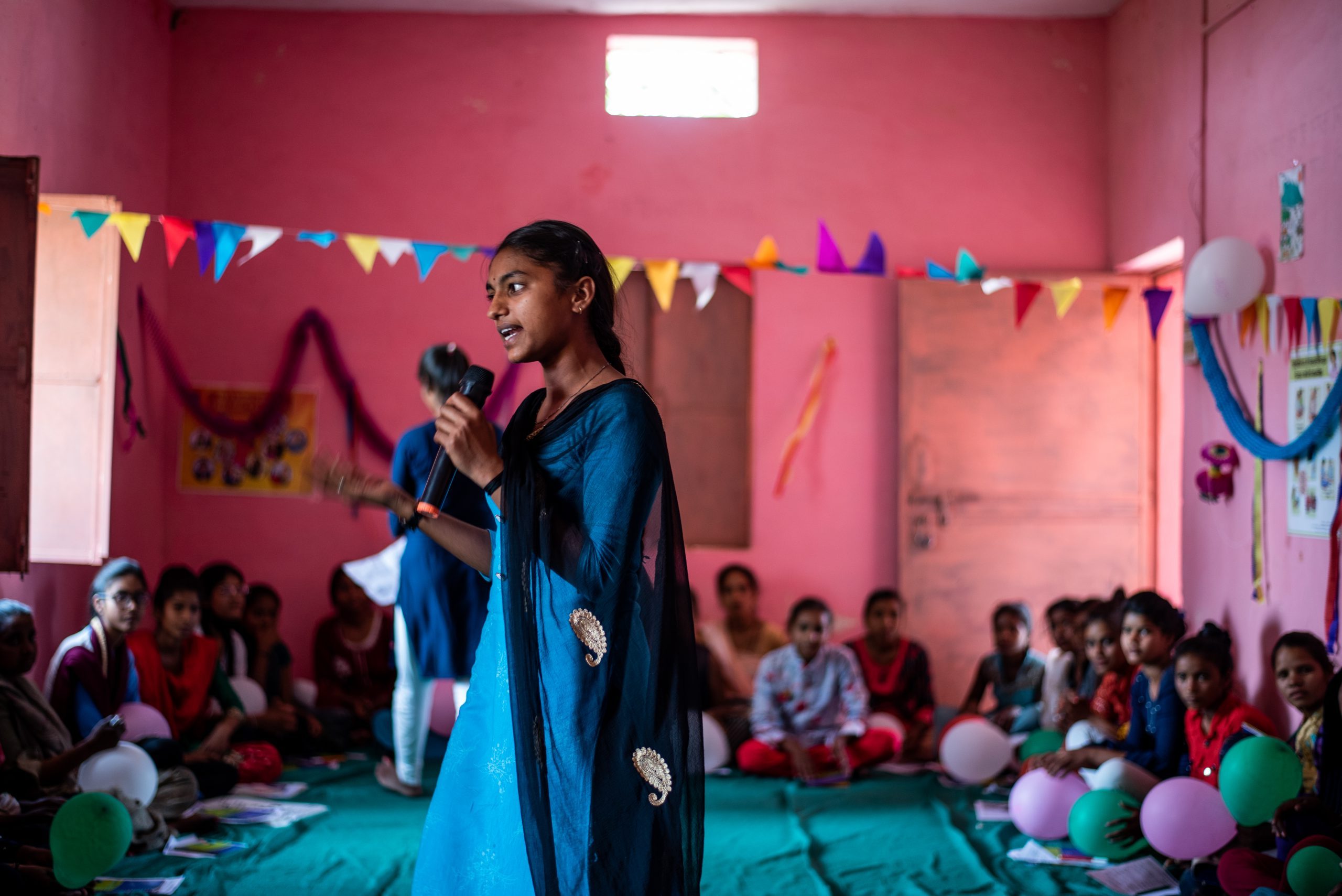
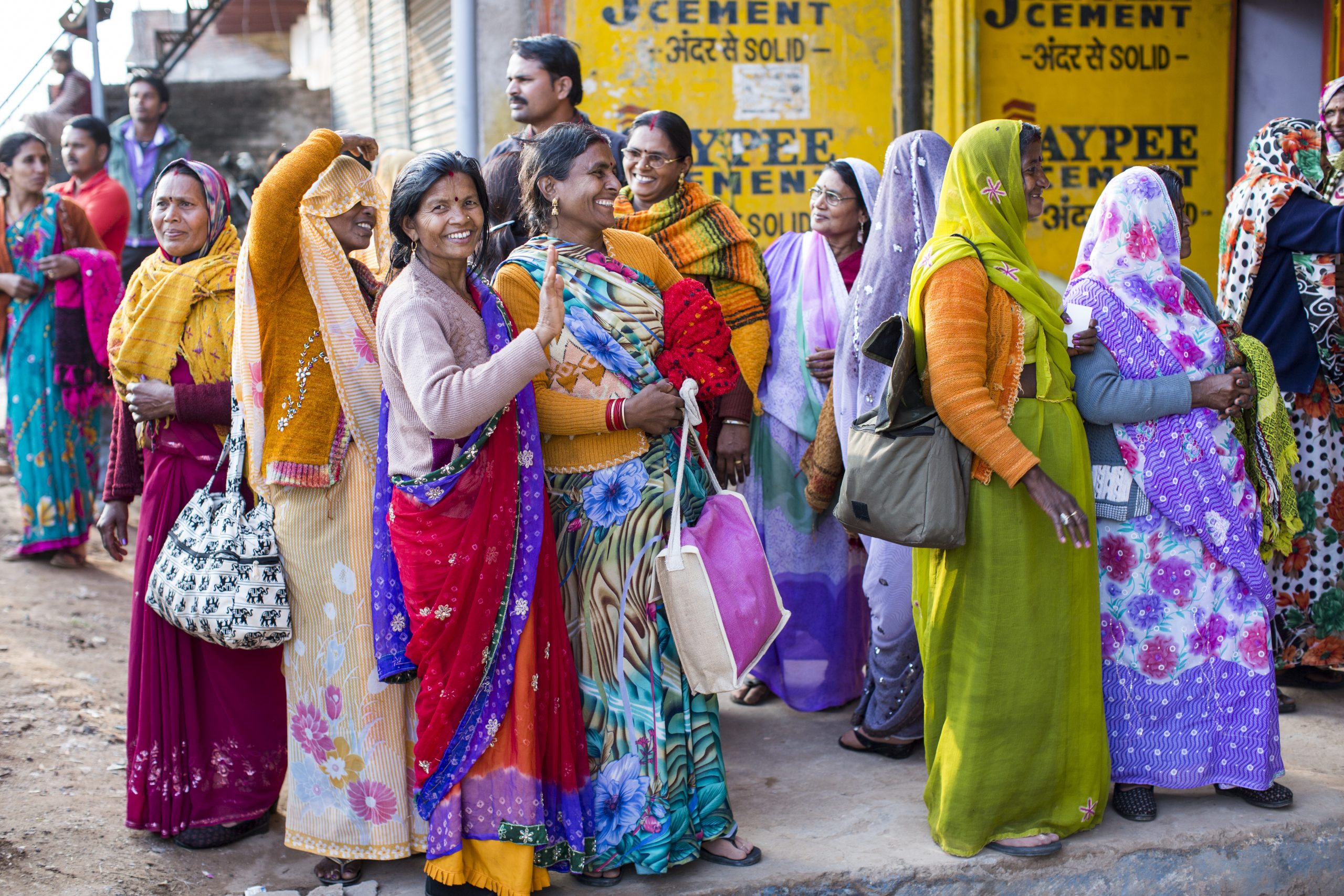
Photo: Anurag Banerjee
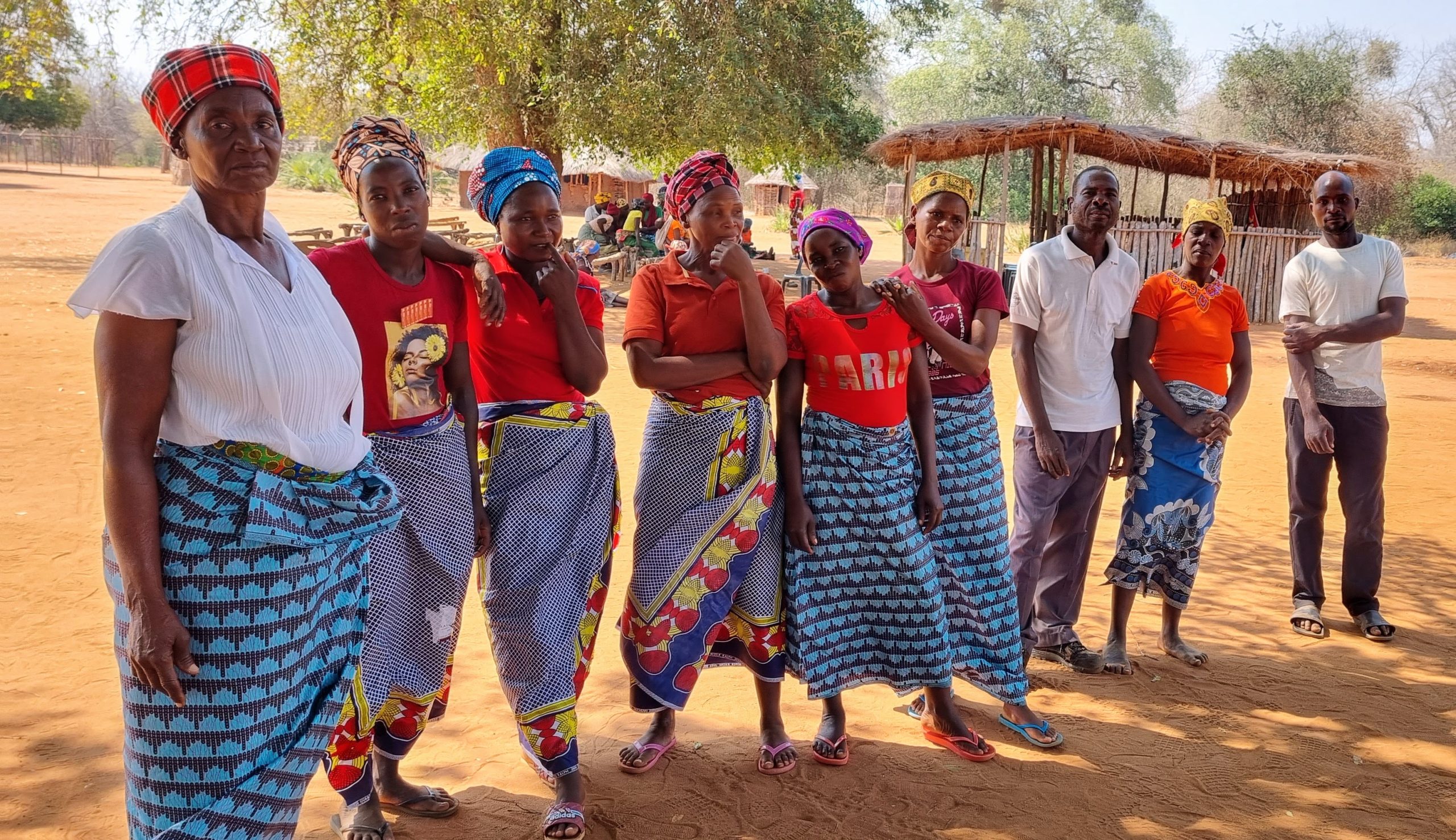
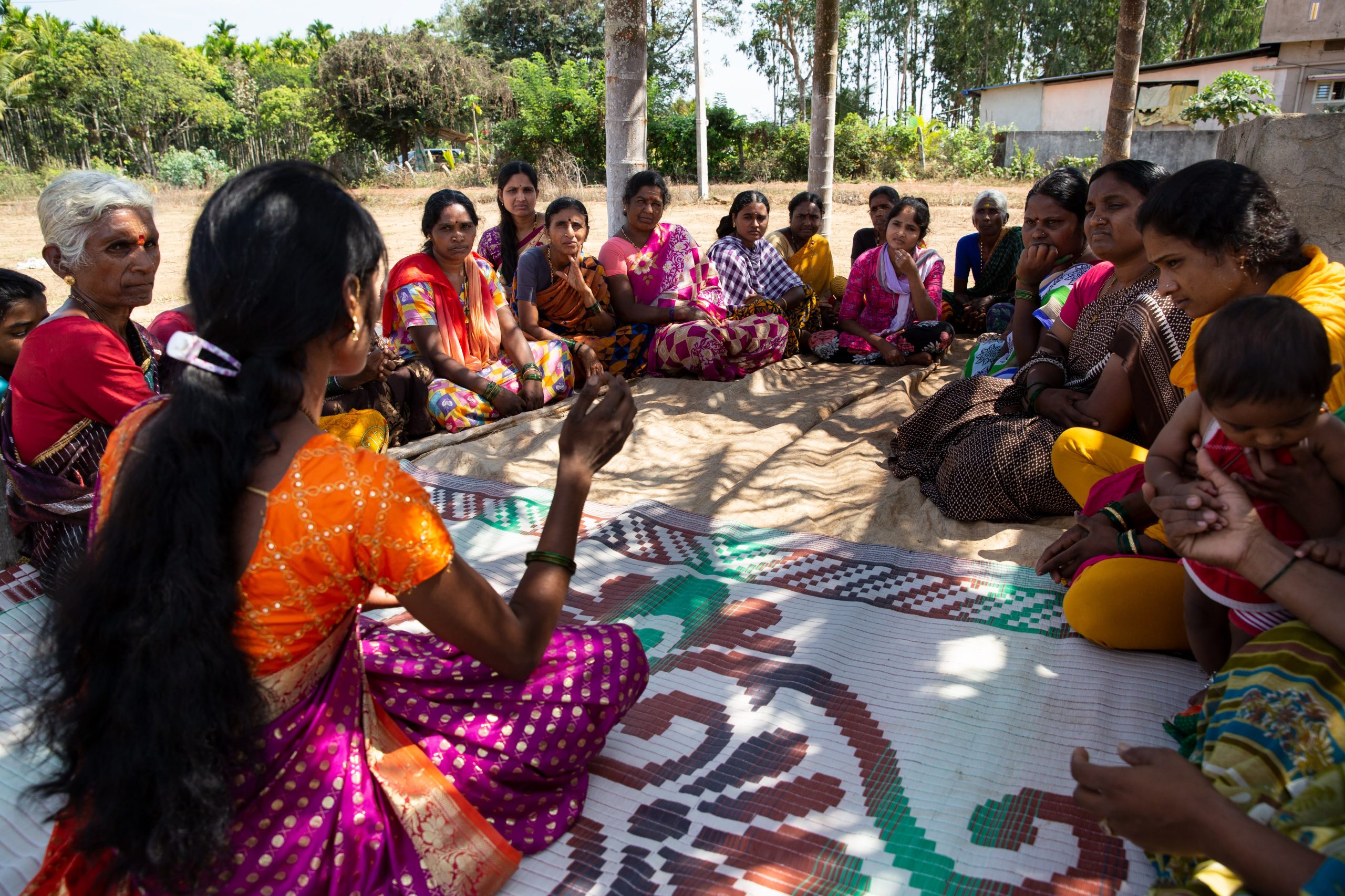
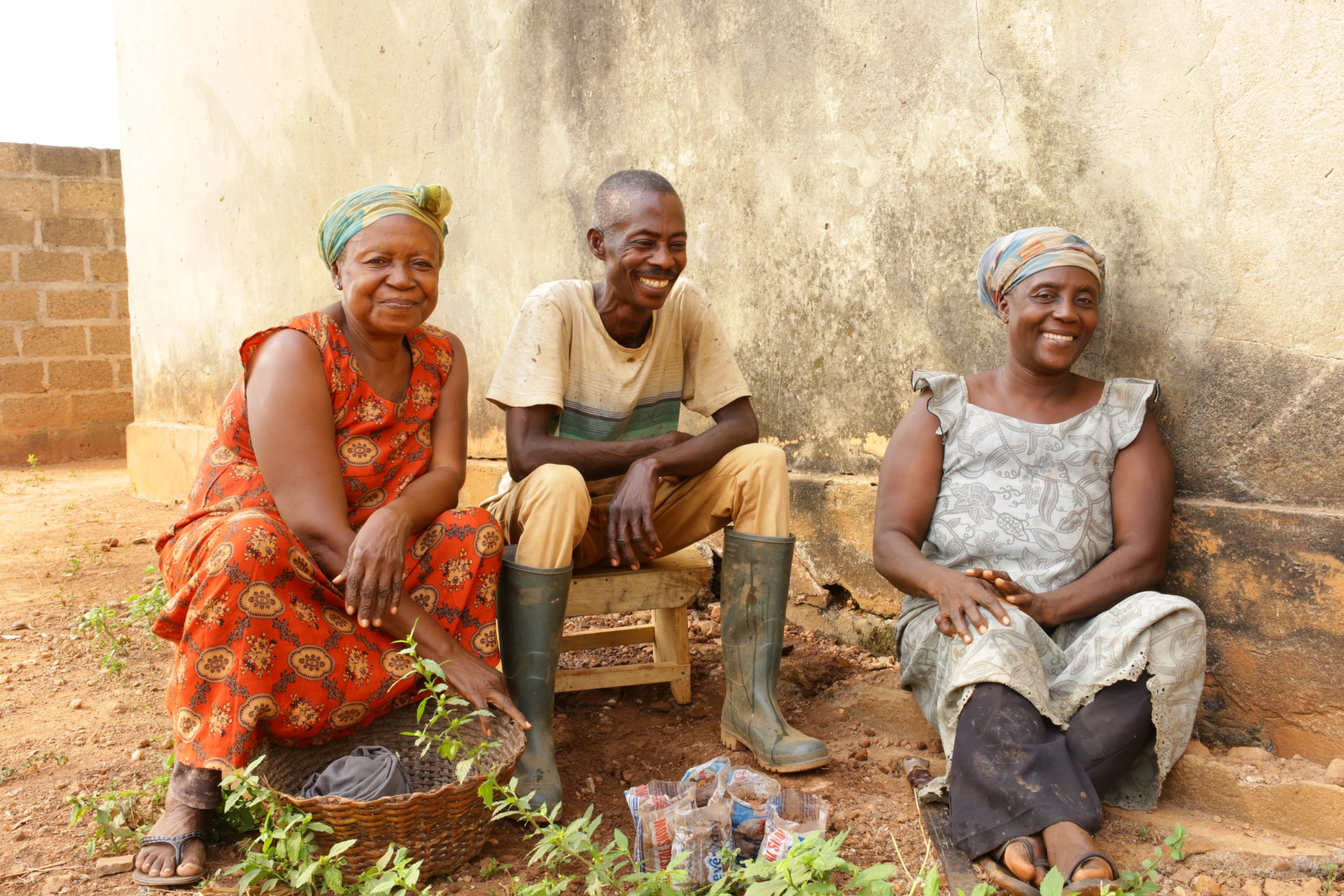
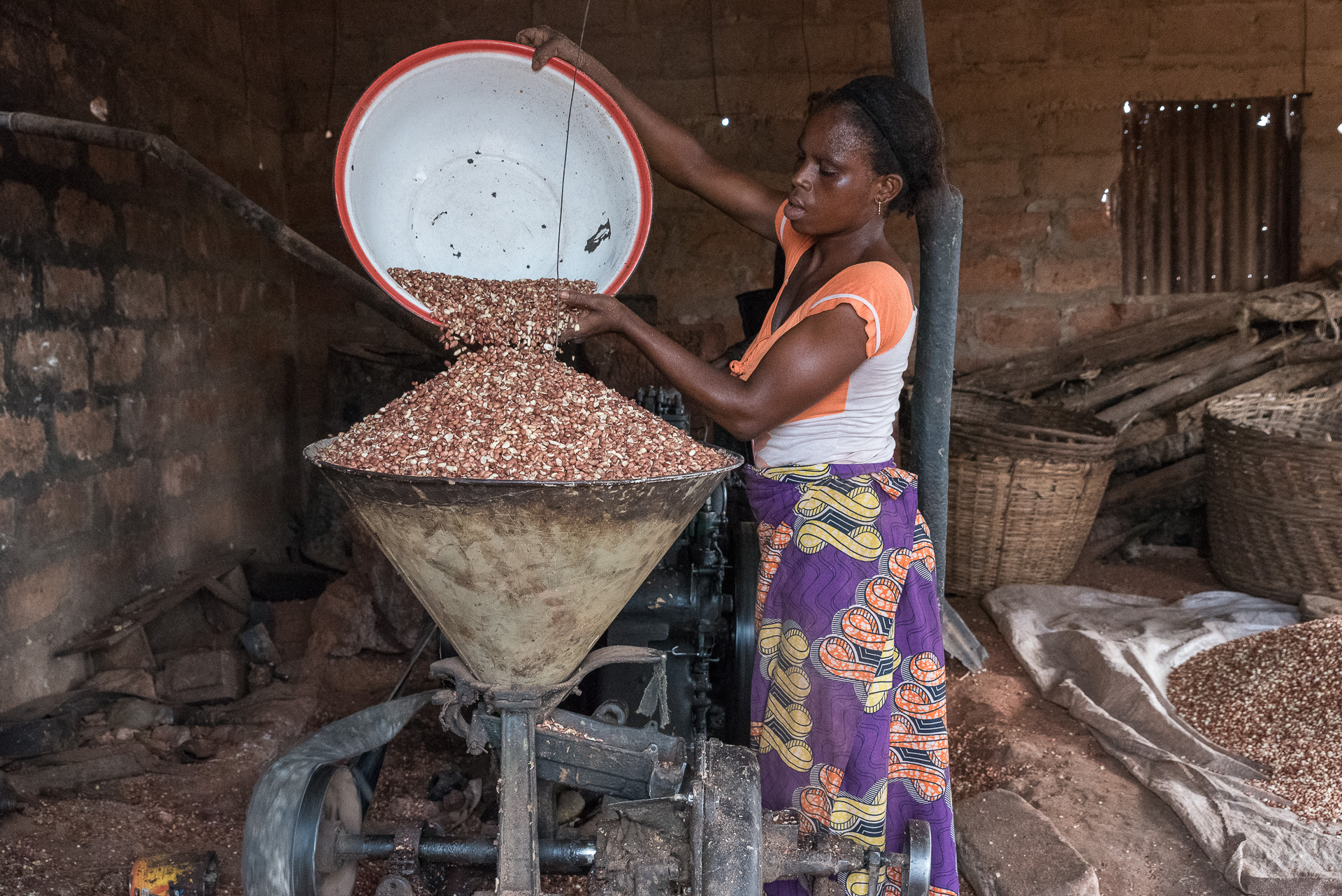
photo: Richard Twumasi
The role of men
Gender equality calls for a shift in mindset across the whole community – and men, boys and local leaders are essential to making it happen. As long as social norms and wider systems stay the same, women’s progress remains fragile. Take one example: many women spend so much time on paid work and unpaid care that they have little left for training sessions or community meetings. Real equality therefore also means sharing that load more fairly between women and men. That is why The Hunger Project builds equality into all of its workshops and programs, for everyone in the community.
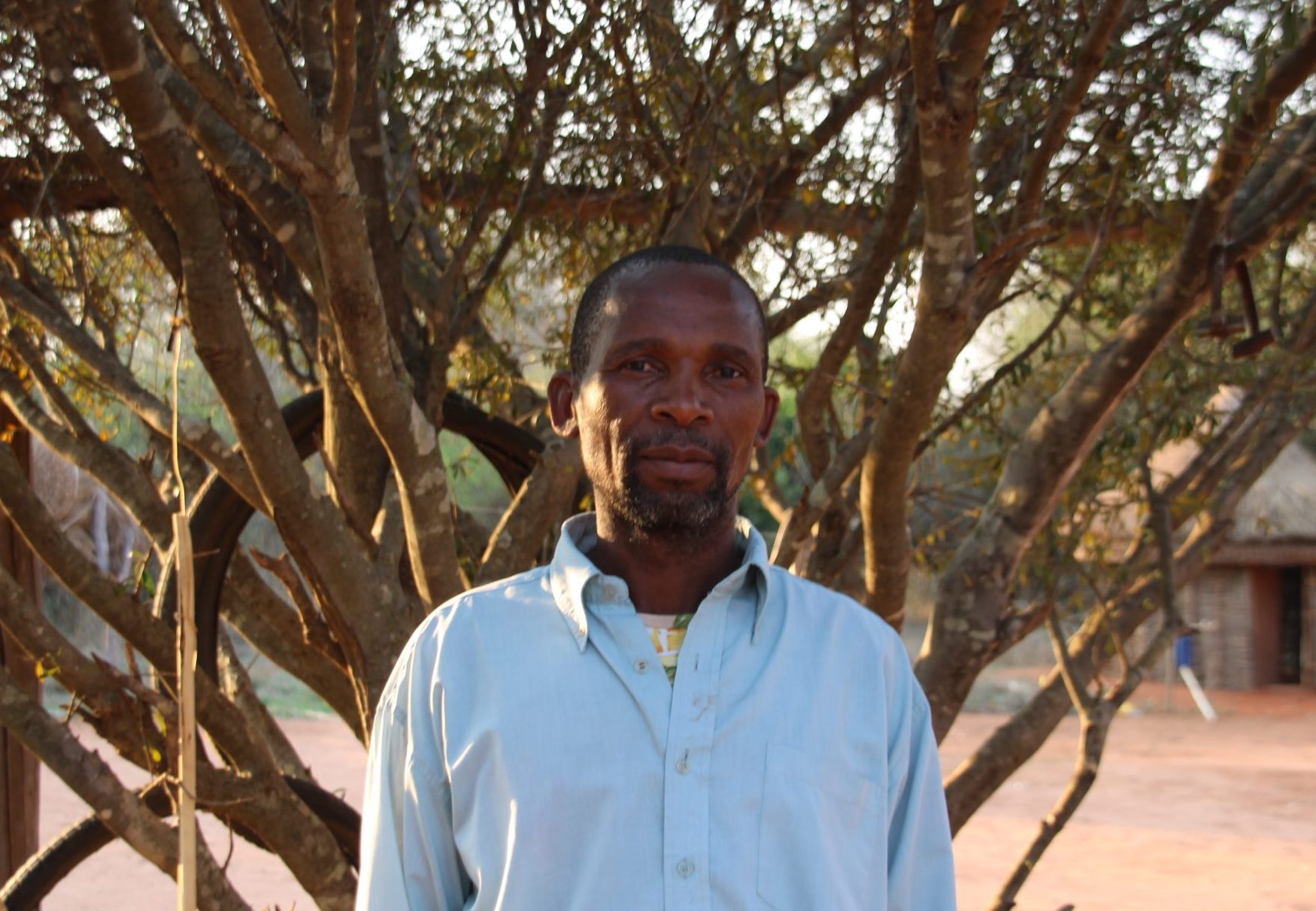
In Africa alone, nearly 7,000 men have taken part in training through the Women’s Empowerment Program. Carlos is what we call a “male champion”: someone who influences and inspires the people around him. Since completing The Hunger Project’s gender equity training, he now leads the workshops himself, in churches and other community spaces. At home, he and his wife have come to value each other’s work more, and they share the tasks more fairly. They harvest together and go to market together. Some workshop participants take the message to heart, while others hold on to old habits. For them, change takes a little longer.