Peaceful communities
Food security and peace go hand in hand. Many conflicts arise because basic needs such as water, land and food go unmet for too long. That is why we work with communities to build a stable foundation from within.
How hunger and conflict reinforce each other.
Climate change puts pressure on agriculture and makes water and fertile land scarcer. At the same time, poverty, inequality and limited access to land, water and basic services make daily life difficult. That is why food security is about more than having enough food. When people have fair access to basic services, make decisions together and can rely on strong local leadership, social cohesion grows. Communities can then solve problems together and defuse tensions before they get out of hand.
Land rights often play a key role in this. In Burkina Faso, a large share of conflicts in rural areas are about land and natural resources. Women produce much of the food, but rarely own the land they farm. Stronger land rights for women therefore support both food security and peace. Climate change adds to the pressure: harvests and incomes are lost, and people are displaced. Those who leave their land often end up in areas where others already live, and together they have to get by on the same increasingly scarce land and water. That is where tensions rise. In this way, food insecurity, climate stress and conflict reinforce one another in a cycle that is hard to break.
How we work.
Our work is community-led: rather than imposing solutions from outside, we walk alongside people and build on what they themselves say they need. The Hunger Project focuses on access to basic services and secure livelihoods, while our partners focus on building lasting peace, healing from trauma and stability. It is this combination that makes the approach so effective, because tensions often arise when basic needs go unmet for too long, causing conflicts to flare up again and again.
We also train animators to become mediators. As neutral facilitators, they can support their fellow villagers when a conflict arises. Because they build on ways of living together that are rooted in the community itself, people can prevent conflicts from escalating and defuse existing ones, even after we have left.
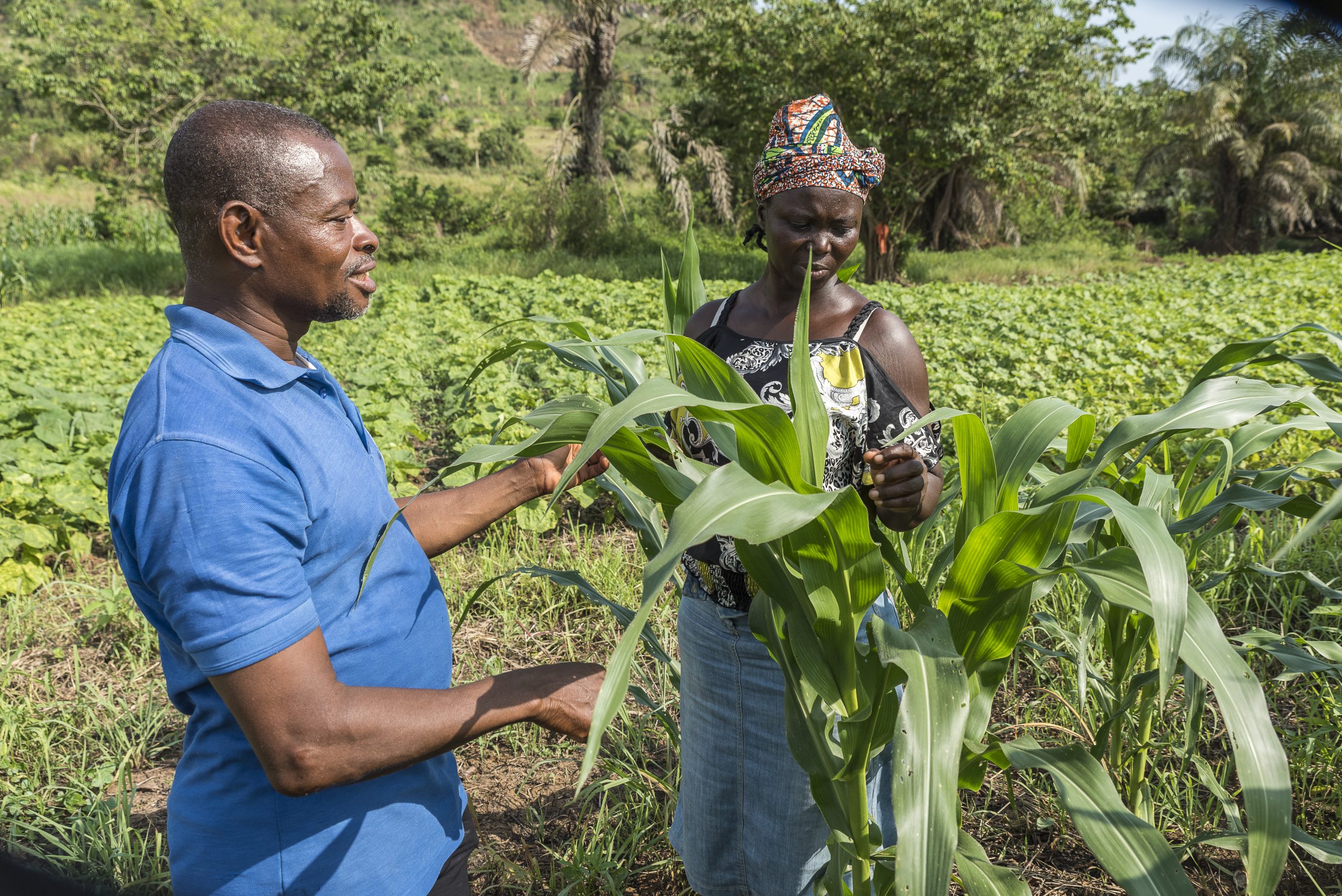
Photo: Johannes Odé
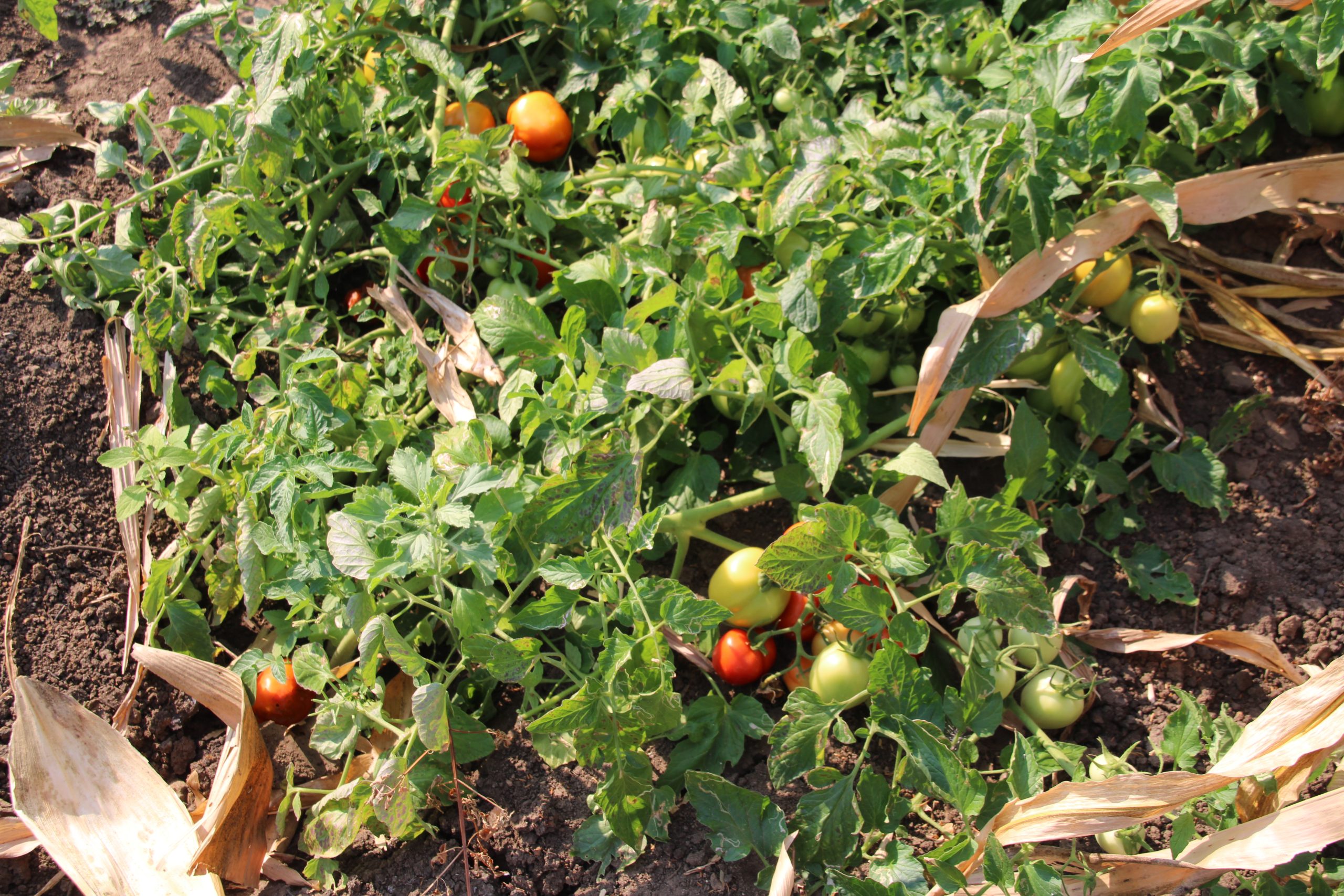
Lasting peace starts close to home.
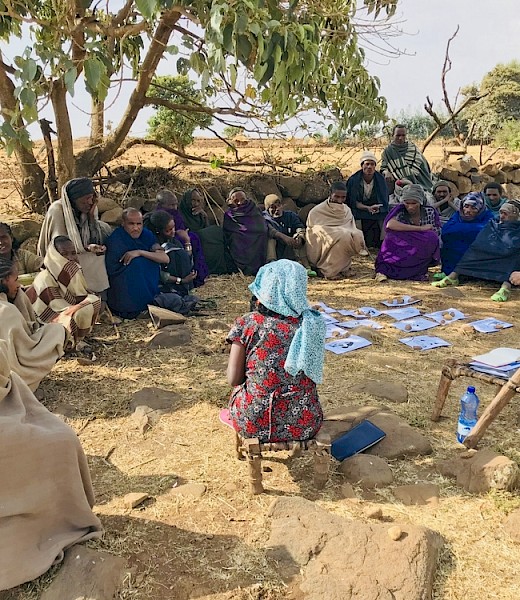
Too often, peace talks take place only at national level, far removed from people’s daily lives. We believe that lasting peace starts close to home. The foundations for long-term stability are laid in villages and communities. That is where people make decisions together, make their voices heard and work with their local government. Among policymakers, there is a slowly growing recognition that preventing conflict is at least as important as responding to it, and that access to good nutrition and food security plays a crucial role in creating and maintaining stability. This is a very welcome development, and one we are keen to encourage.
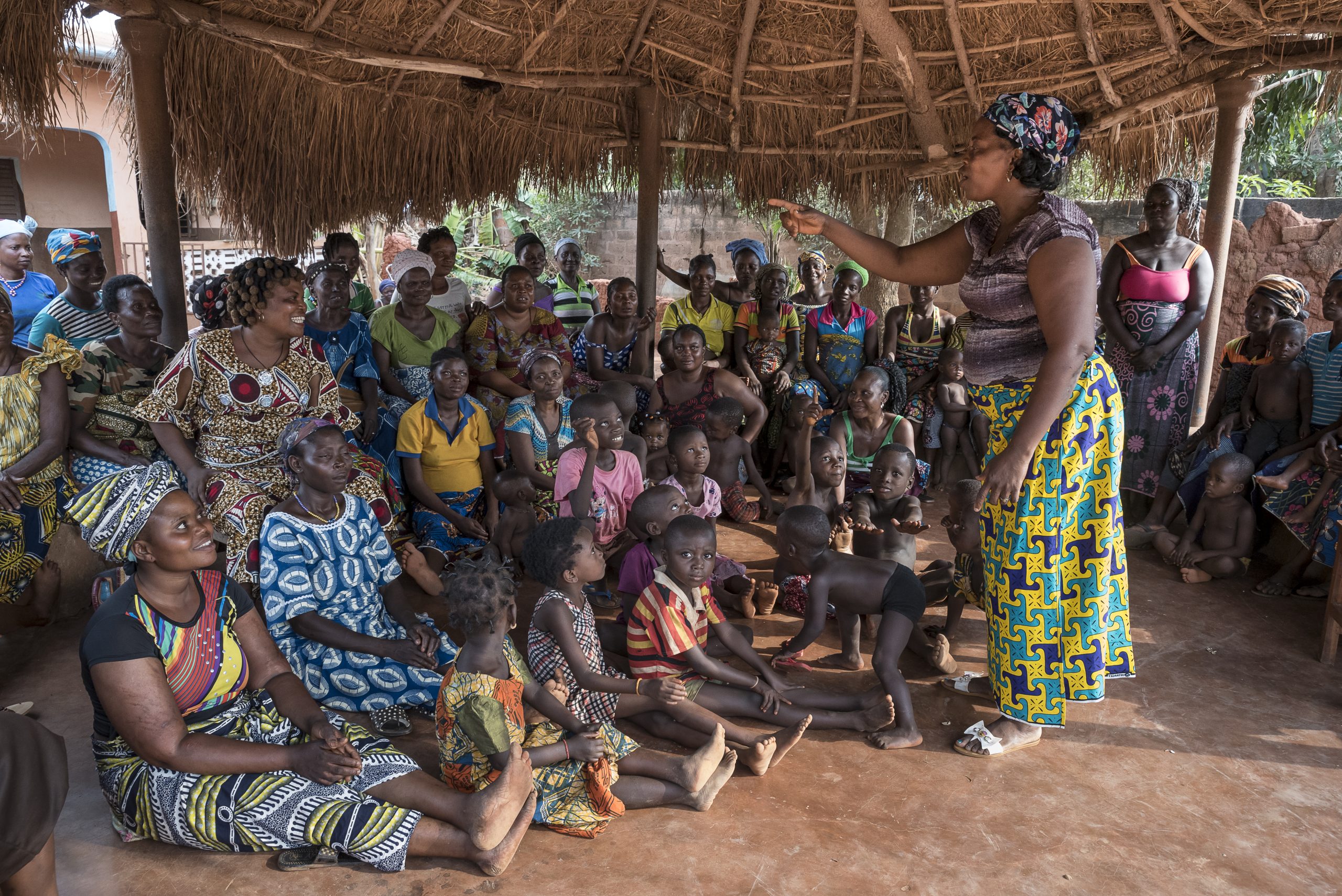
“Before I took part in training from The Hunger Project and Mensen met een Missie, I believed that fighting was the only way to defend what was mine. But when I saw two families resolve their conflict peacefully, I realised that peace is possible. Today I believe in talking, listening and building peace. This change has given me hope, not just for myself but for our whole village. We now know that peaceful solutions make families and communities stronger.”
Apiyo – Uganda
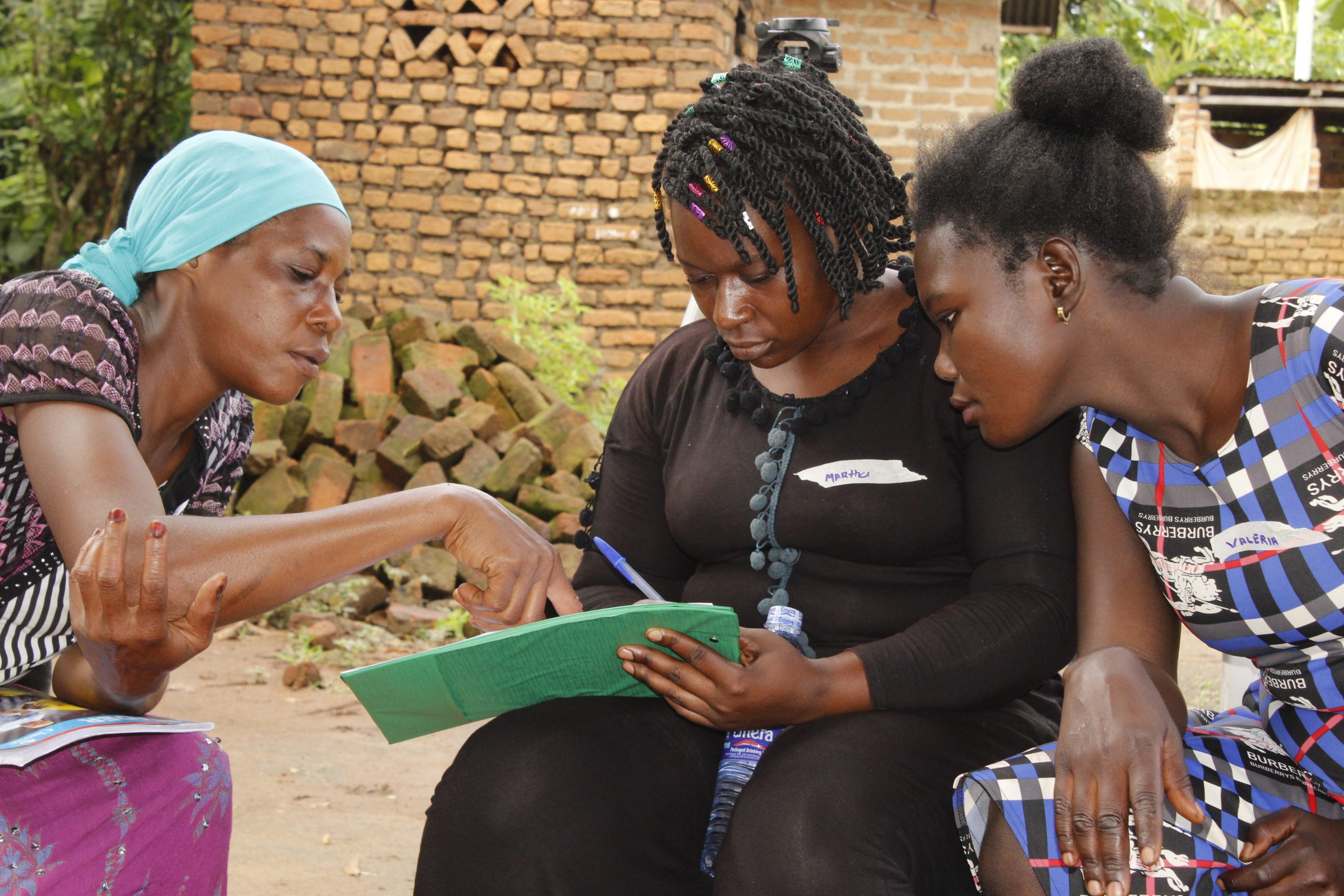
The Peace Project.
In northern Uganda, we work to build peaceful, resilient communities in a region where decades of conflict have left deep scars. The region is still dealing with the aftermath of this violent period, including trauma, ethnic tensions and disputes over land rights. At the end of 2024, together with the Dutch organisation Mensen met een Missie, we launched a new programme to address these challenges. The Peace Project works on land rights, healing from trauma and rebuilding trust between ethnic communities. By highlighting the power of working together and listening to one another, the project reduces division and strengthens tolerance. We also advocate for more inclusive peace policies and closer cooperation with young people and the security services.
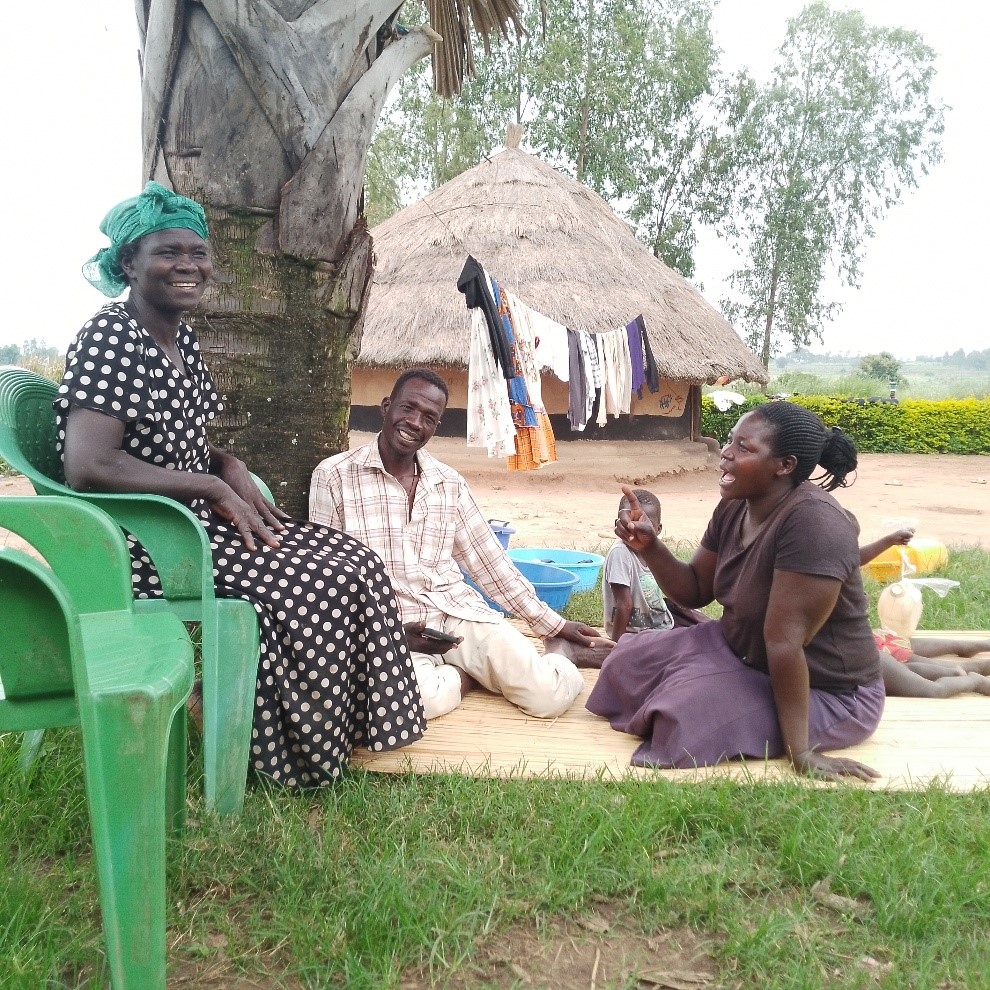
Together, we can end hunger
With more than 45 years of experience and programmes in 7,533 villages across 13 programme countries, The Hunger Project is showing in practice that ending hunger is achievable. Our approach differs from country to country, because circumstances differ too, but in every area, the people living with hunger are at the centre. They drive the solution themselves, from the grassroots and from within. Hunger can be solved, and we do it together. You can be part of the solution too. With your support, millions of people around the world are working towards a better future without hunger.