People and Nature
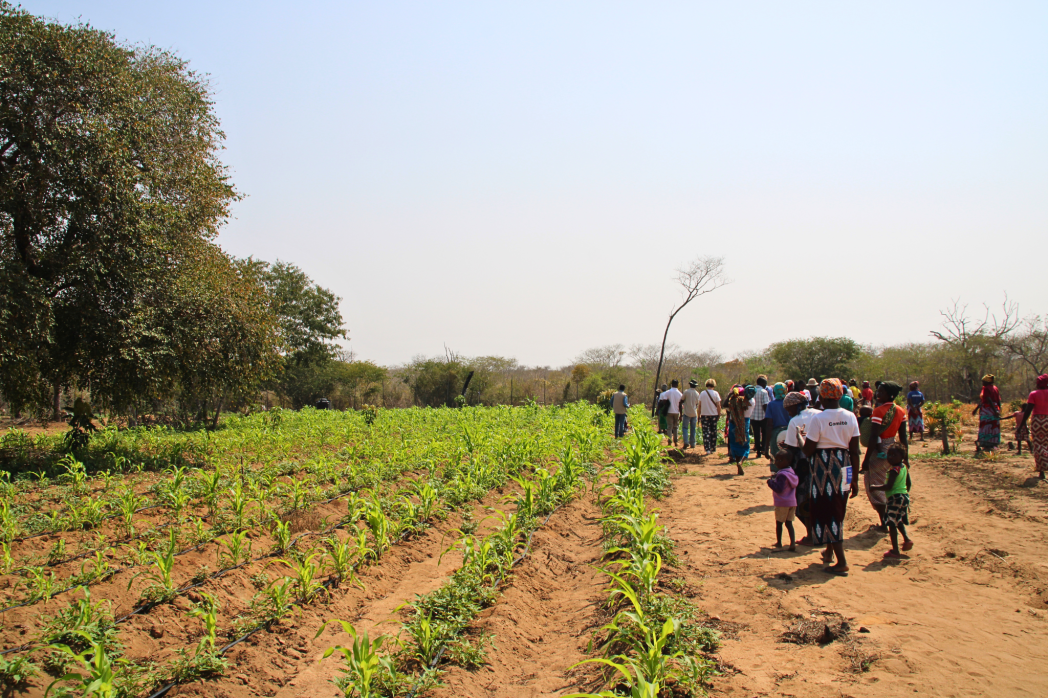
Healthy ecosystems make for fertile soils and more stable harvests; when nature disappears, food production becomes more vulnerable. That is why we work with our partners in the areas around nature reserves, so that people, wildlife and nature can thrive together.
Nature is the foundation of food security. In remote rural areas of Africa and Asia, millions of families live directly off what nature provides. Their food and income depend on fertile land, clean water and biodiversity. When nature comes under pressure, food security declines. At the same time, poverty and hunger drive people to use natural resources more intensively in order to survive, which increases that pressure even further. In this way, hunger and nature loss reinforce each other. That is precisely why The Hunger Project works to end poverty in these areas: they offer great opportunities for both food security and nature conservation.
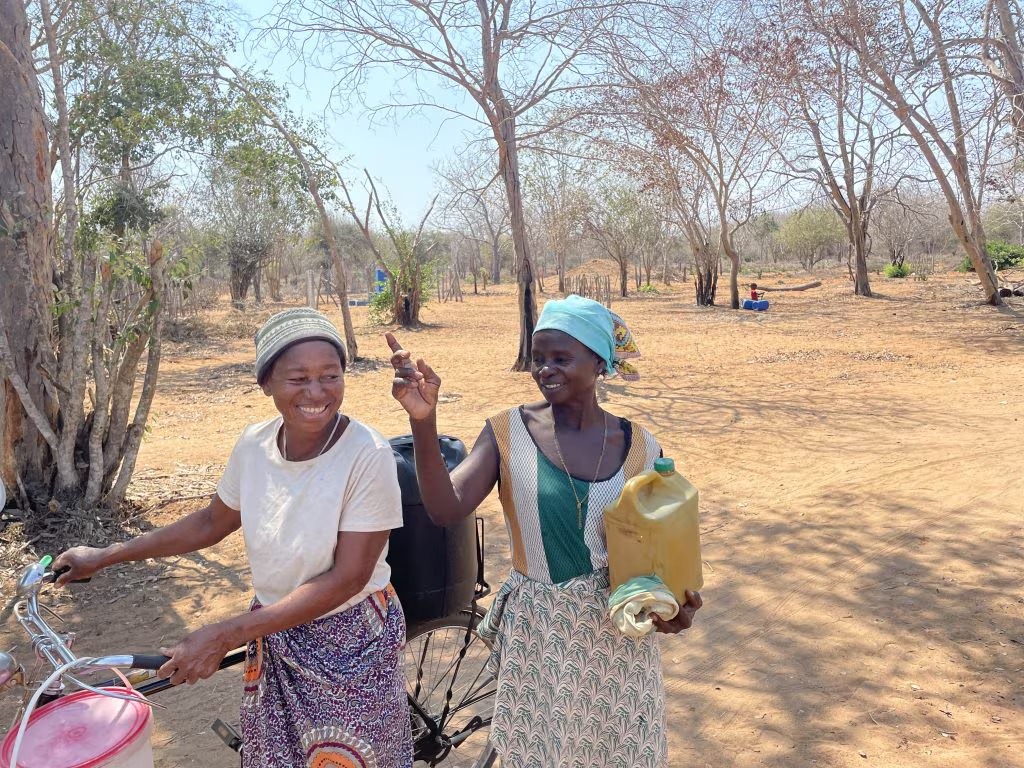
Nature is the foundation of food security. In remote rural areas of Africa and Asia, millions of families live directly off what nature provides. Their food and income depend on fertile land, clean water and biodiversity. When nature comes under pressure, food security declines. At the same time, poverty and hunger drive people to use natural resources more intensively in order to survive, which increases that pressure even further. In this way, hunger and nature loss reinforce each other. That is precisely why The Hunger Project works to end poverty in these areas: they offer great opportunities for both food security and conservation.
Globally, an estimated 80% or more of natural forests have been destroyed or degraded. The consequences are felt most strongly by rural communities that depend directly on what the land and their surroundings provide. When ecosystems decline, the effects are felt here immediately. Harvests become smaller and more vulnerable, incomes become less stable and families have less access to a varied, healthy diet.
That is why conservation is more than an environmental issue. Healthy ecosystems provide fertile soils and biodiversity, which are the basis of food production and secure livelihoods. At the same time, many families have few alternatives when harvests fail or income dries up. People then look for ways to survive within the landscape itself, for example through illegal logging or poaching. These are not deliberate choices against conservation, but responses to a lack of secure livelihoods. When natural resources become scarcer or are unequally distributed, tensions can arise and conflicts can escalate. Climate change adds to this pressure by making ecosystems even more fragile.
The result is a pattern in which nature loss and food insecurity reinforce each other: the greater the pressure on nature, the less it can provide. And the smaller the yields, the greater the need to exploit nature further. That is why The Hunger Project invests in stronger communities and in restoring nature. This lays the foundation for sustainable food security, greater climate resilience and a future in which people and nature can thrive together.
"The earth feeds and sustains us. We must protect nature so that we can all thrive and share the resources we have."
Conservation brings more food security and income for Aragaw and Melkon
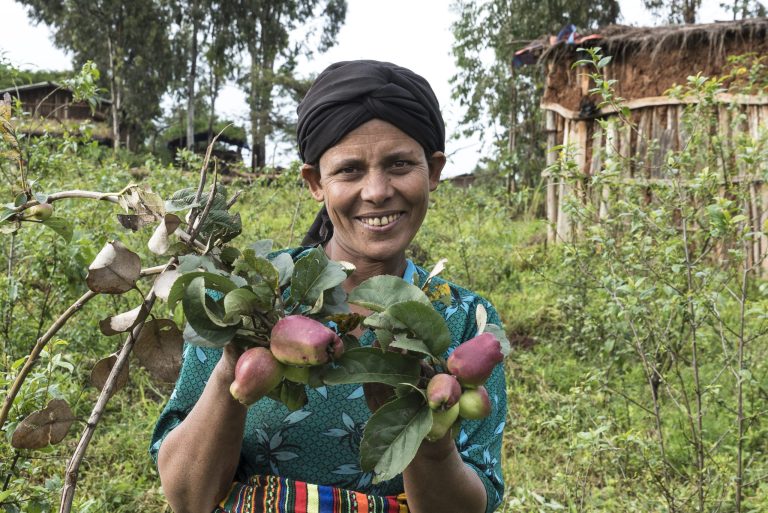
In Machakel, in north-western Ethiopia, farmers are increasingly feeling the effects of deforestation and depleted farmland. Harvests are becoming smaller and less predictable, making it harder to secure enough food and build a stable income. Aragaw and Melkon faced the same problem. Through training from The Hunger Project, they learnt how to use their land more sustainably by growing different crops together on the same plot. “That’s why we choose to vary our crops. We’ve now planted coffee and avocado on our field, among other things.” They also helped plant thousands of tree seedlings on communal land. “In return, we received seedlings for our own field and advice on how best to plant and look after them.” These trees help restore nature and create new ways to earn an income
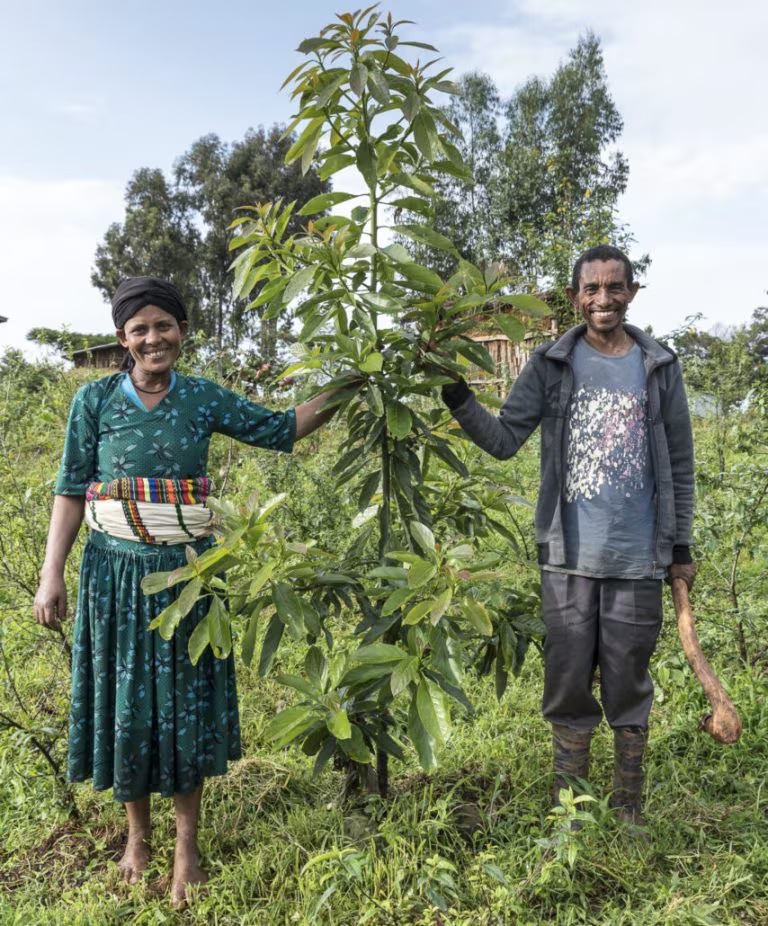
Photo: Johannes Ode
What we do.
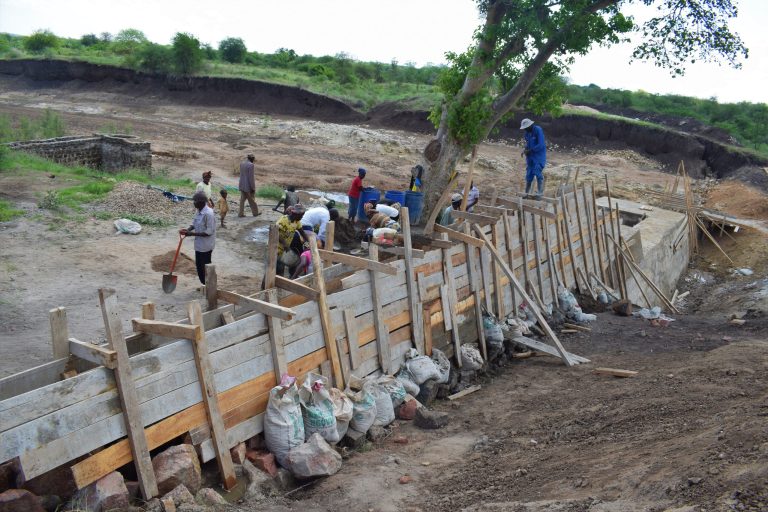
Nature conservation is woven into the way The Hunger Project works to end hunger. Through our community-led development approach, people strengthen their own environment, allowing both livelihoods and nature to recover. As communities grow stronger, the pressure on nature decreases. And as ecosystems recover, food security grows. This creates a foundation for sustainable food production, climate resilience, stronger local economies and resilient communities.
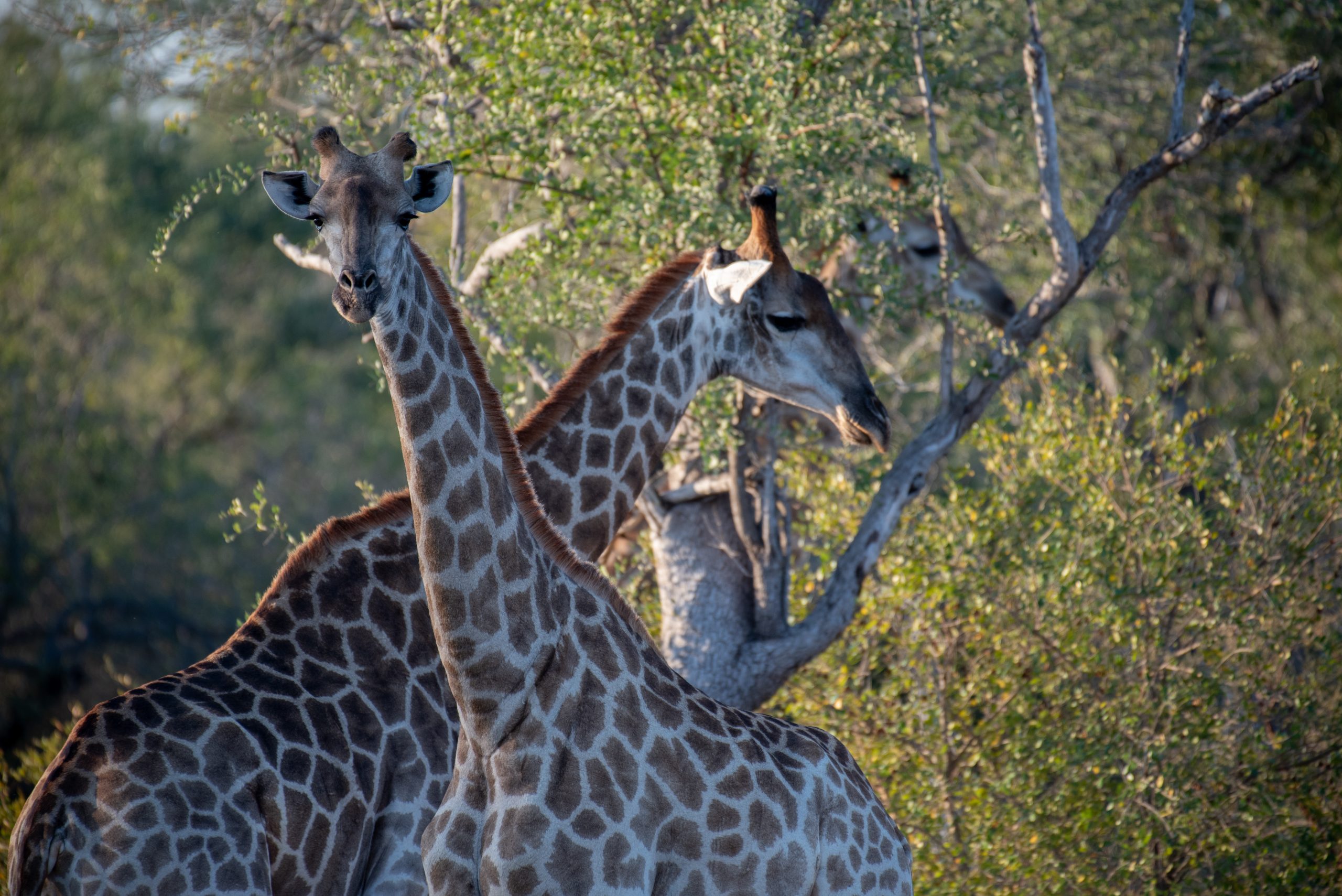
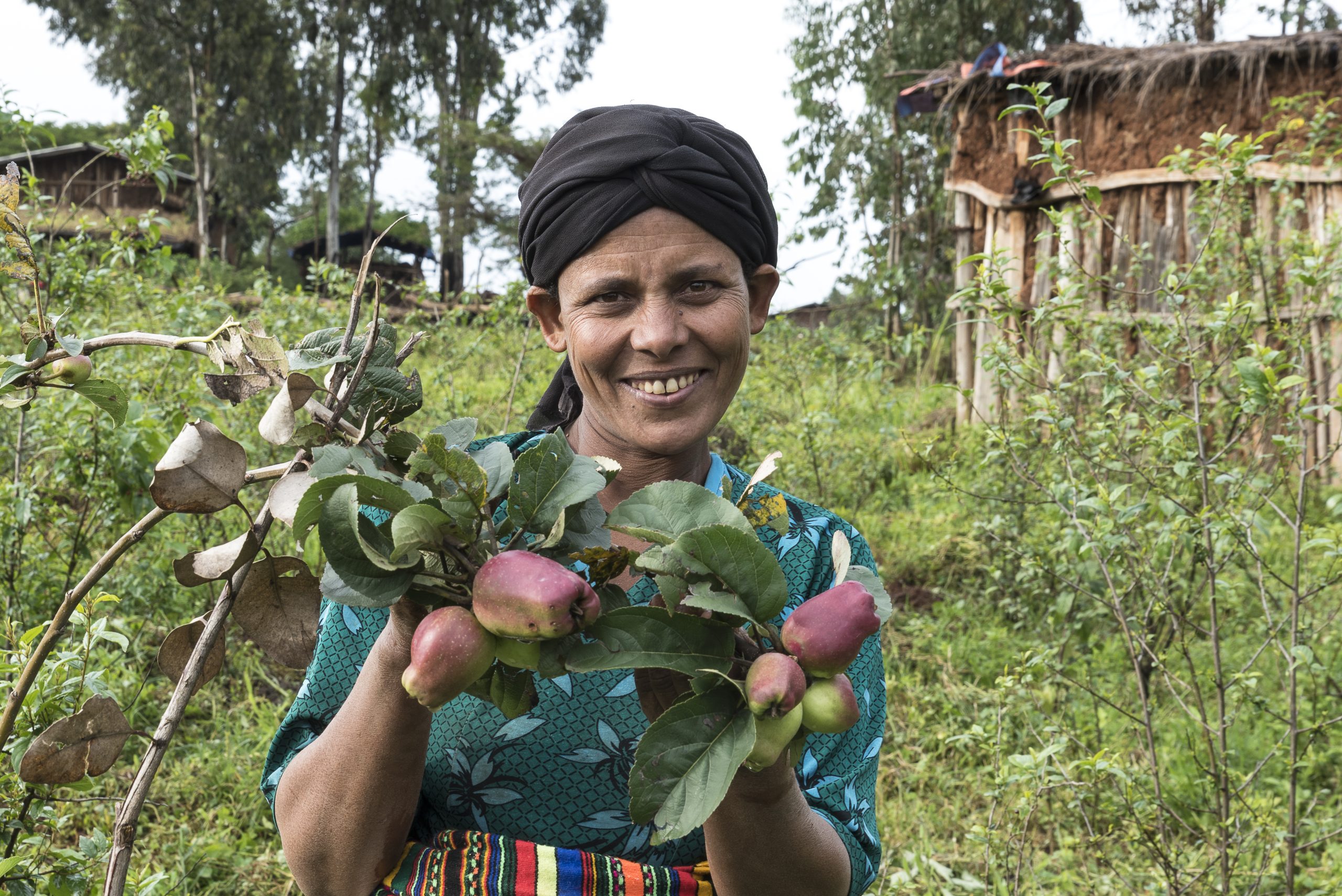
Photo: Johannes Odé
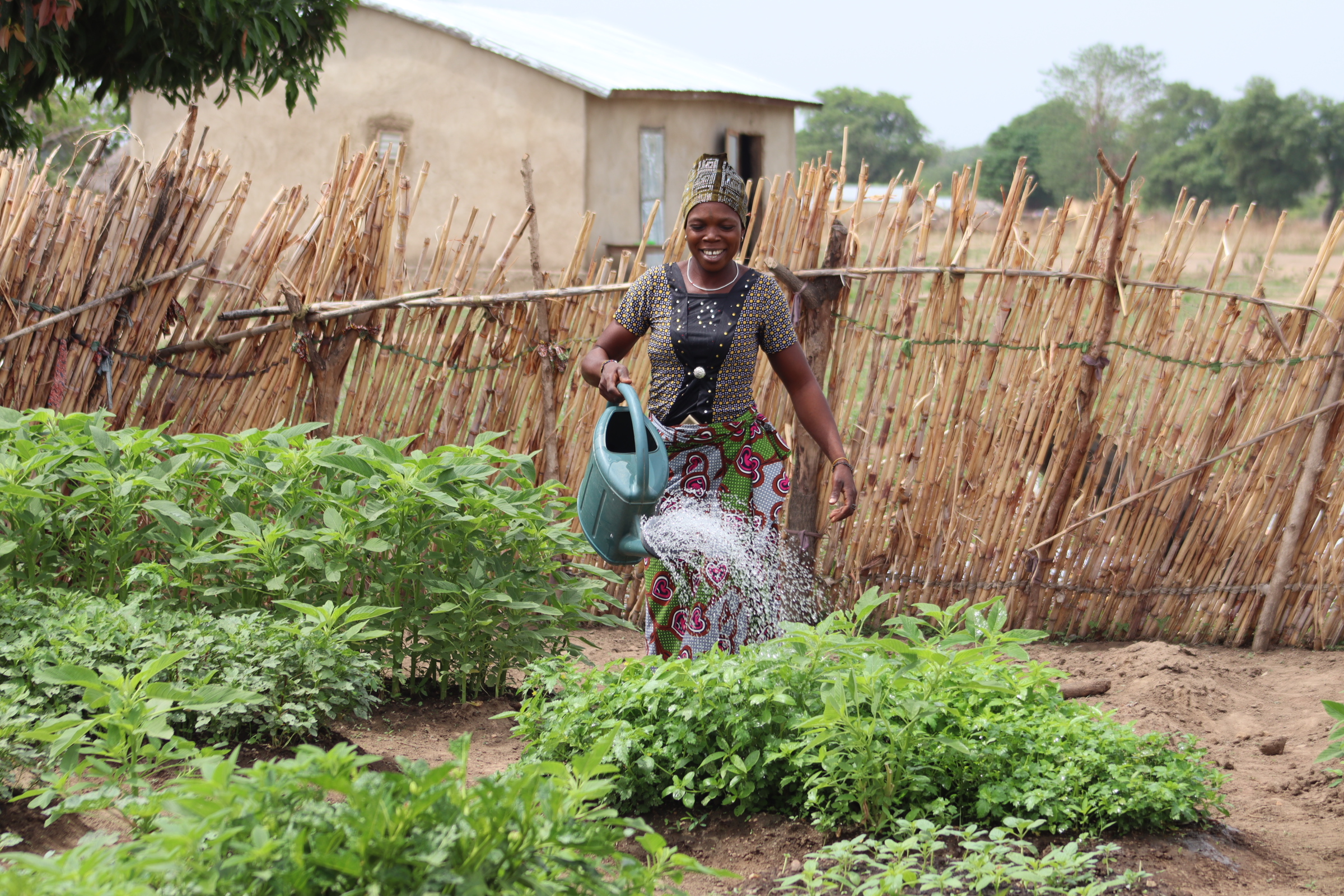
Allan left poaching behind and became a role model for other farmers.
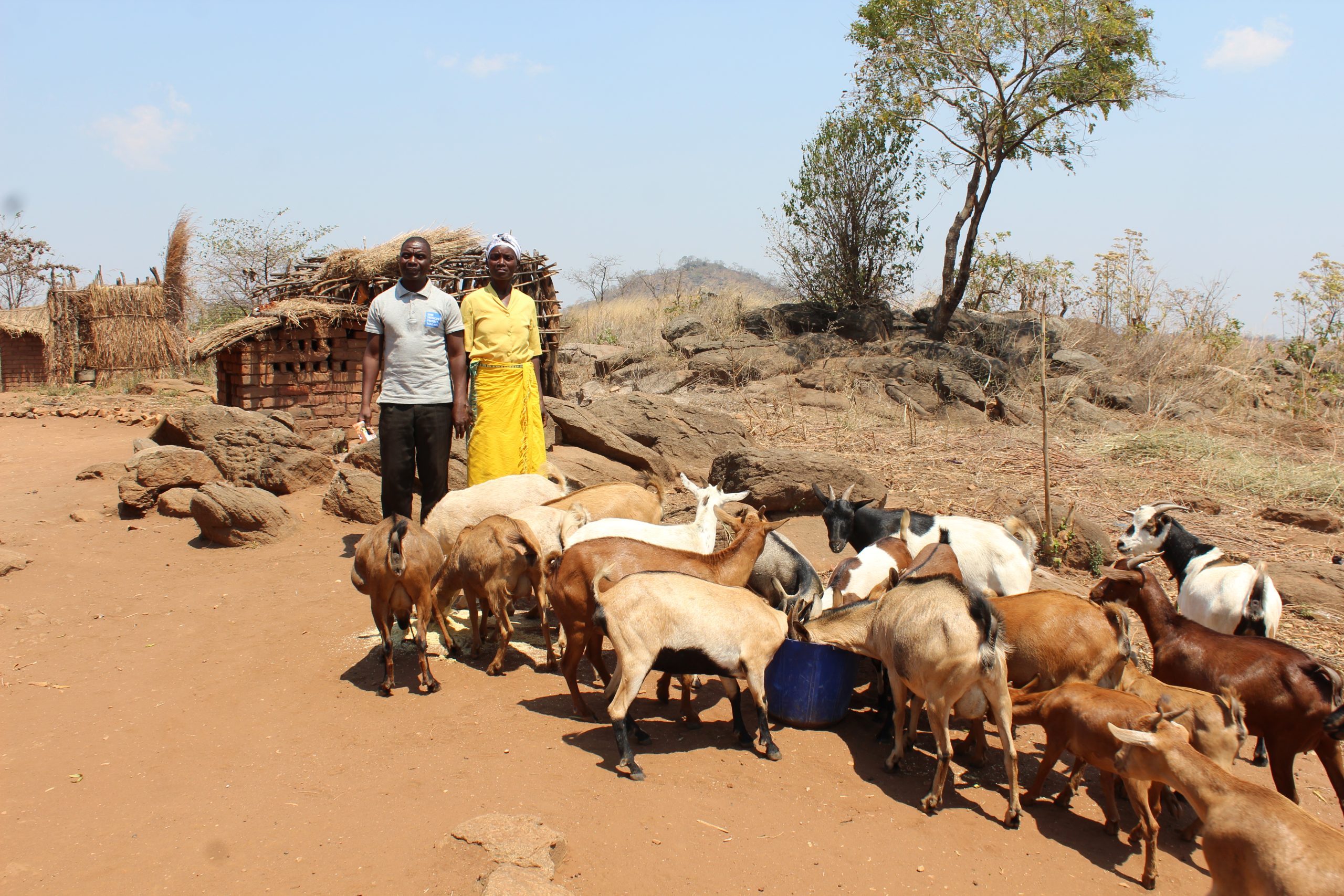
In Chibwalizo, next to Majete Wildlife Reserve in Malawi, Allan Wyson relied on poaching for years to support his family. His harvest was too small and uncertain to live on, and there seemed to be no other way out. Through The Hunger Project, he gained access to training and agricultural loans. He learnt how to farm his land better and invested in new seeds and fertiliser. His harvest tripled, and he no longer depended on the reserve. “I no longer hunt animals; that’s a thing of the past. We’re on the right track and able to stand on our own two feet,” says Allan. Today he is a model farmer and plays an active part in food security in his village by sharing his knowledge with others and contributing to the local food bank. Meanwhile, the pressure on nature is easing: Majete Wildlife Reserve now has the lowest poaching rates in Malawi.