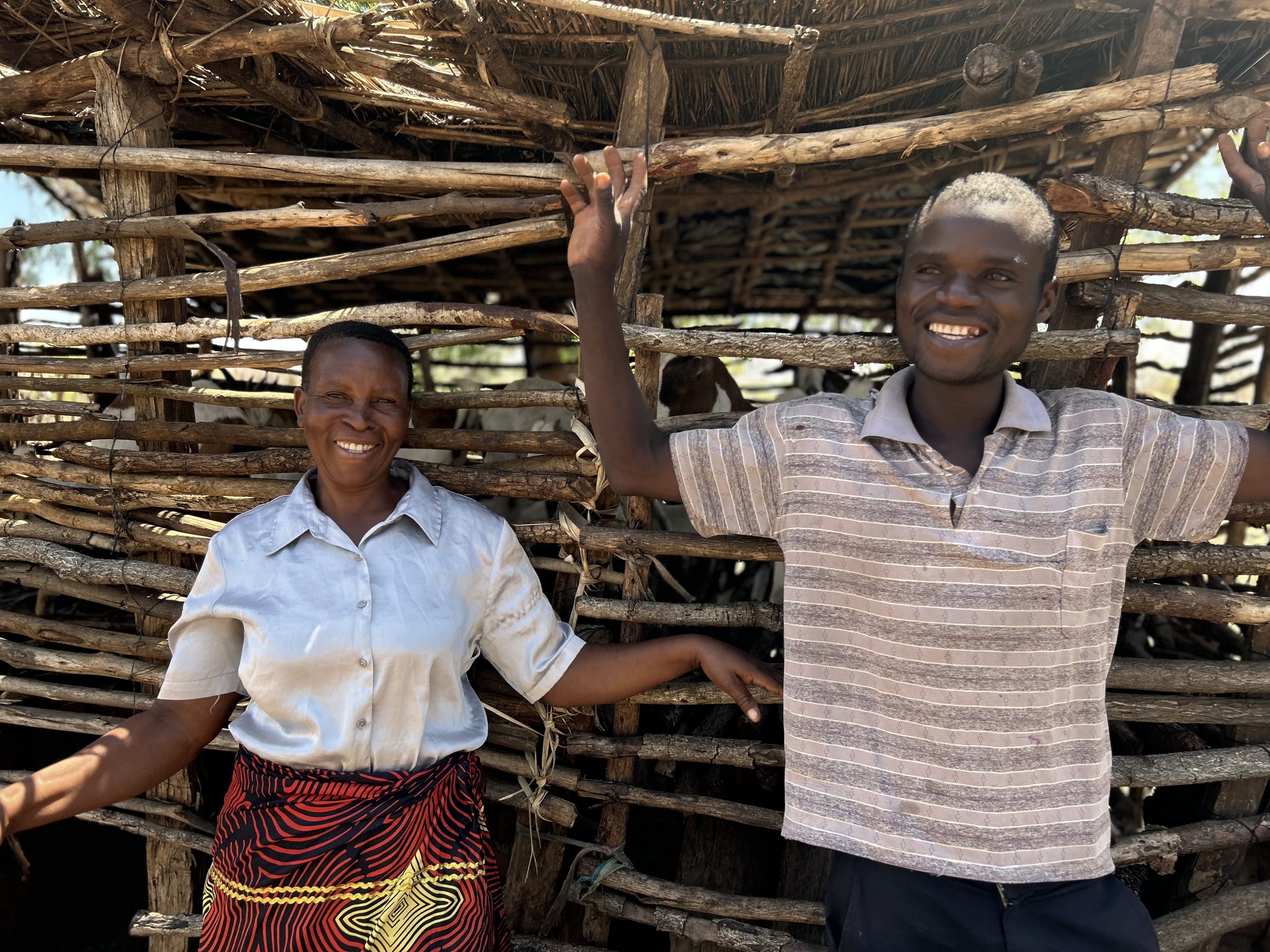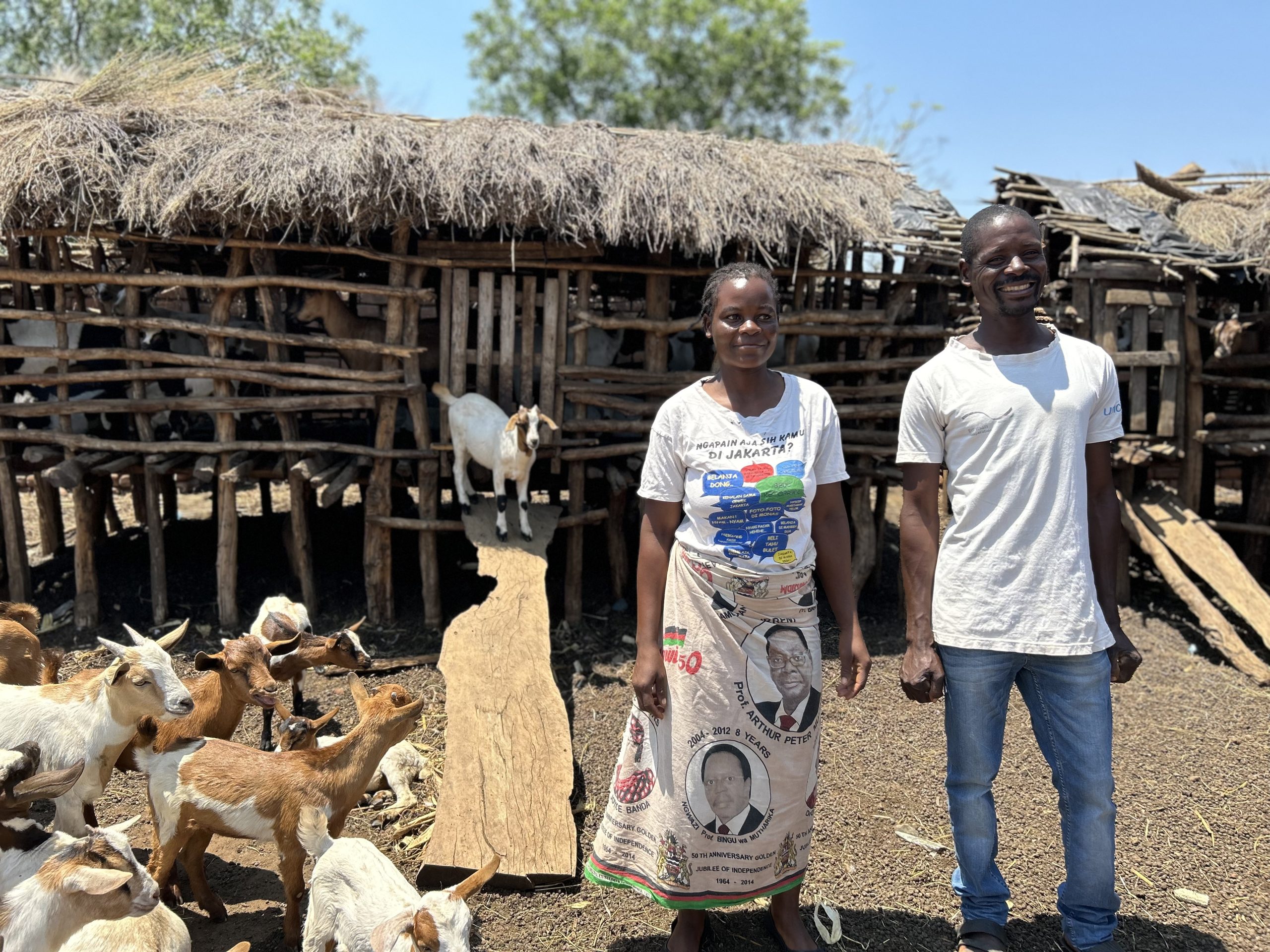
Poverty reduction around Nyika National Park.
In 2025, The Hunger Project started a challenging project around Nyika National Park and Vwaza Marsh Wildlife Reserve. We work closely with the Peace Parks Foundation, which manages the park together with the authorities of Malawi and Zambia.
Animal species in nature parks are protected by nature conservation organisations, but thousands of people live in extreme poverty around the parks. They have little or no access to basic facilities, and climate change causes failed harvesting and water scarcity. To provide their livelihood, many people depend on what they can find in the national parks. Thiscreates pressure on nature and the animals in the park. That’s why The Hunger Project is working with these communities on poverty reduction and nature conservation. Thus, human beings, animals and nature can not only exist side by side, but flourish together.
The challenges surrounding Nyika.
The people living in this area face great challenges. Because of inequality, climate change and water scarcity, they are trapped in a vicious circle of poverty and hunger. Girls and women have to travel long distances to get water, sometimes even several hours a day. This is at the expense of their opportunities for education and entrepreneurship. And along the way, they are at great risk of sexual harassment and violence. The unstable economy in Malawi is raising food prices and hitting villages hard. That’s why we’re working with the communities towards one important goal: self-reliance. Because if they have access to essential basic facilities, they are no longer dependent on natural resources from the park for their livelihood. Together we tackle the causes of hunger and work on access to healthy food, health care, income and savings services.
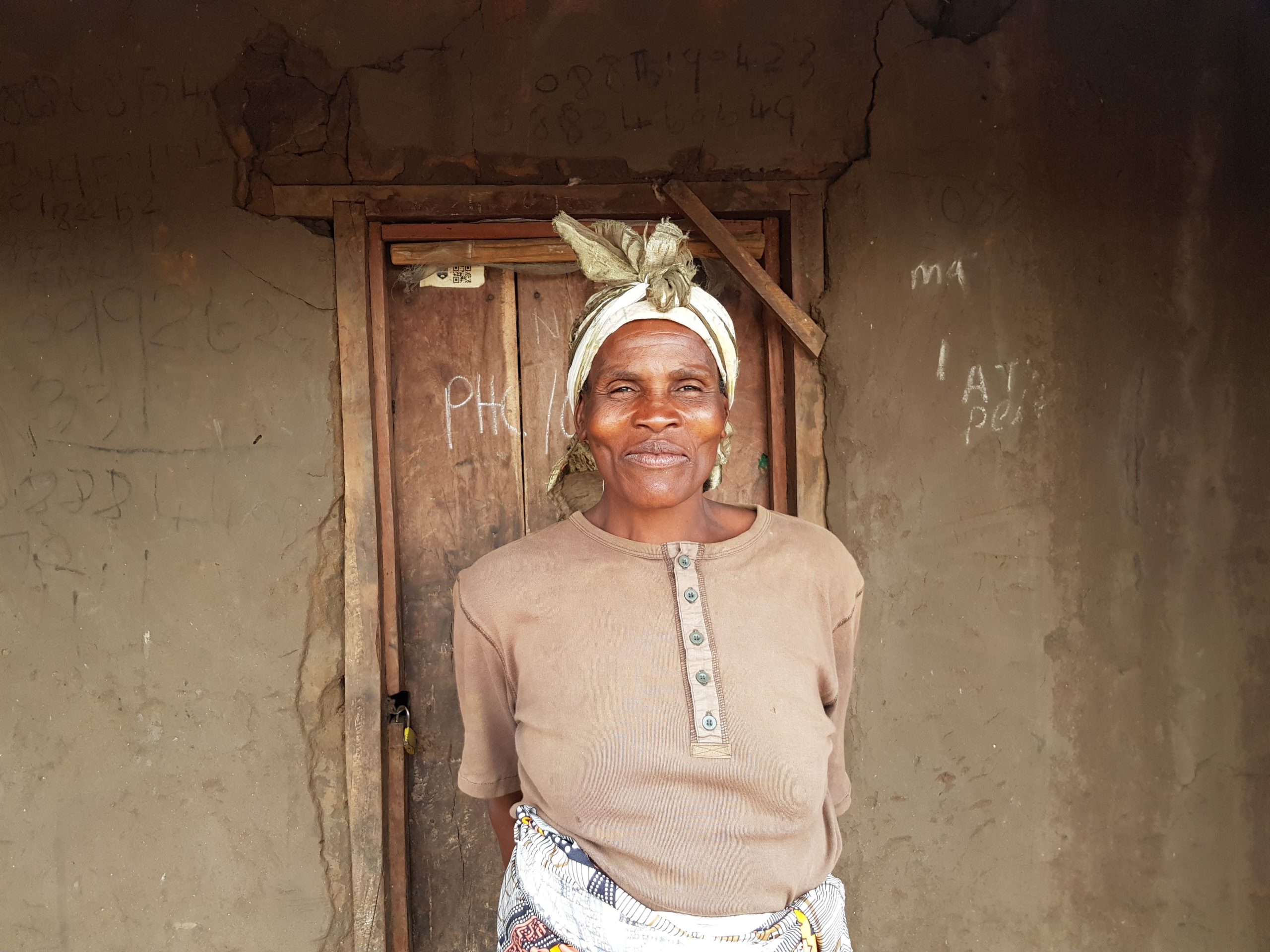
Women first.
Women are indispensable to a sustainable future of the communities around Nyika National Park. At the same time, poverty and climate change often hit them hardest. They have less access to land, income and financial services, most of the care for their families and often have less influence on decisions that determine their future.
That is why we invest together with our partners in female leadership, entrepreneurship, knowledge of their rights and access to essential services. Women receive support from savings groups, developing sustainable sources of income and taking an active role in decision-making. Thus, we strengthen their position, reduce families’ dependence on vulnerable natural resources from the park and contribute to the conservation of nature in the Nyika National Park.
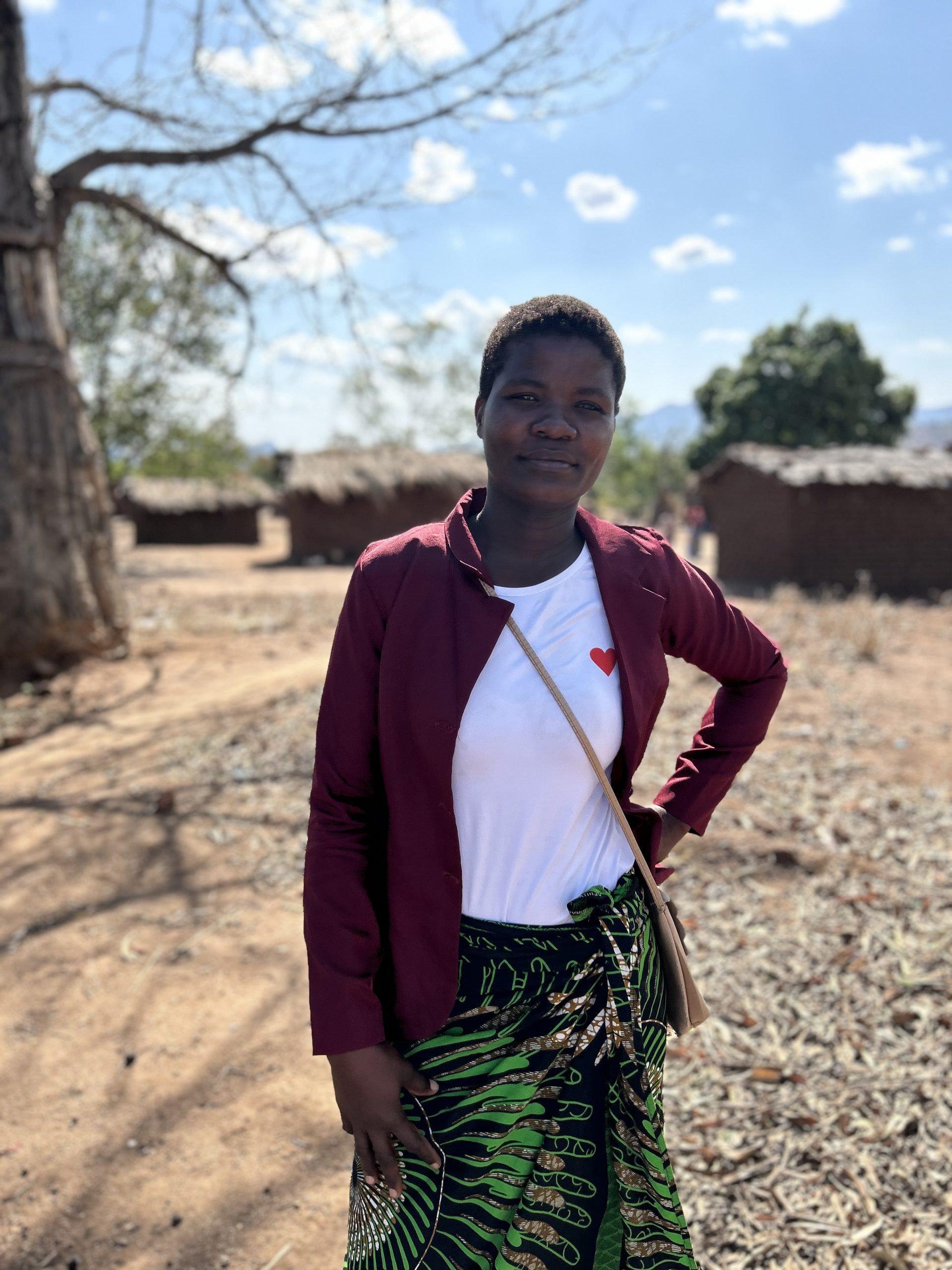
One step at a time.
We work in phases, because the area is too big to reach at once. At the same time, we always want to learn from experiences in previous villages. That is why our goal is to reach 2 new village groups for the next 10 years, every 2 years. This is how we expand our scope.
This project is carried out by a consortium of The Hunger Project Malawi, Women’s Legal Resources Centre (WOLREC) and the Centre for Economic Governance and Accountability in Africa (CEGAA), in collaboration with the Malawi Health Equity Network (MHEN), supported by The Hunger Project Netherlands and The Hunger Project Global.
Together, we put an end to hunger.
The Hunger Project shows with over 45 years of experience and with programmes in almost 7,533 villages in 13 programme countries that the end of hunger is feasible. The approach varies from country to country, because the conditions are also different, but in all areas the people who are hungry are at the centre. They themselves carry the solution from the bottom, from the inside. Hungry is fixable, and we do it together. You too can be part of the solution. With your support, millions of people in various places in the world are working on a better future without hunger.