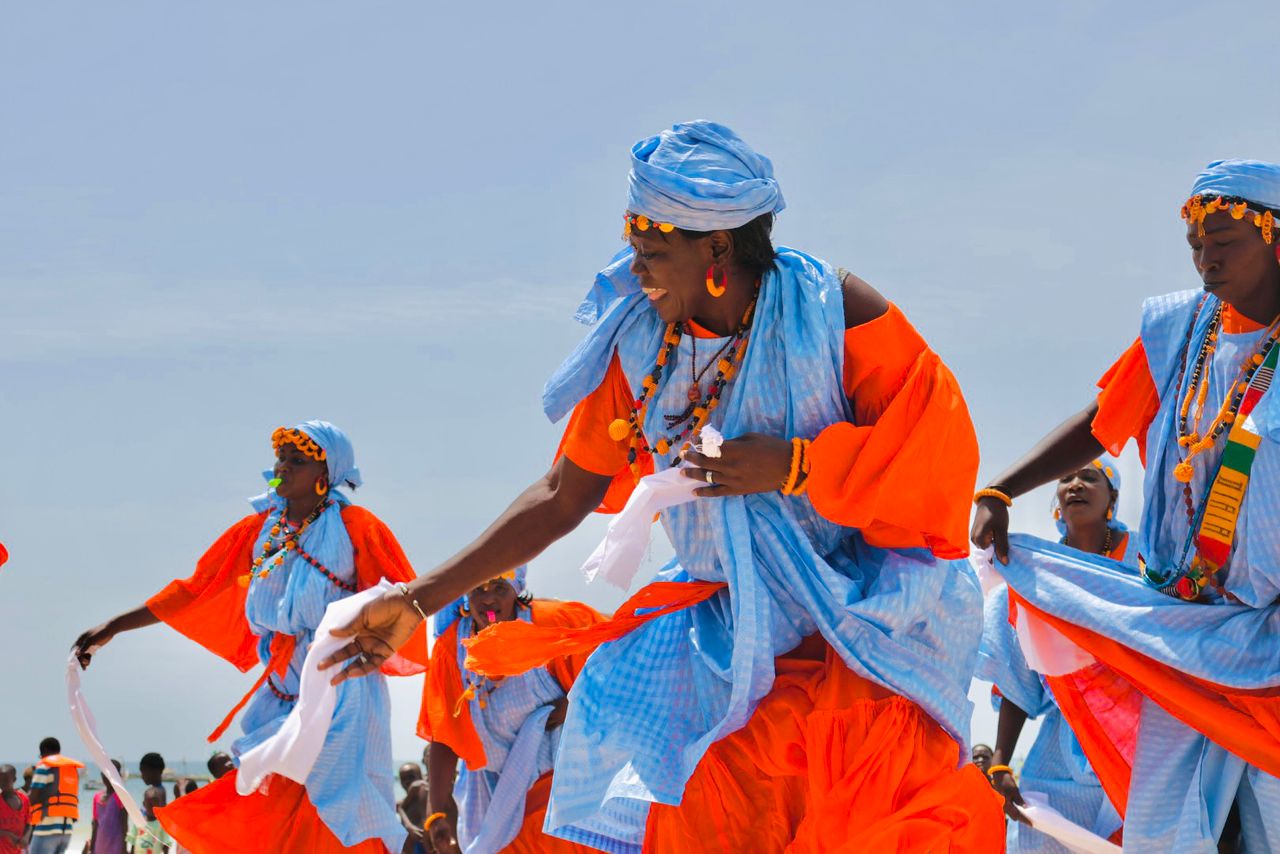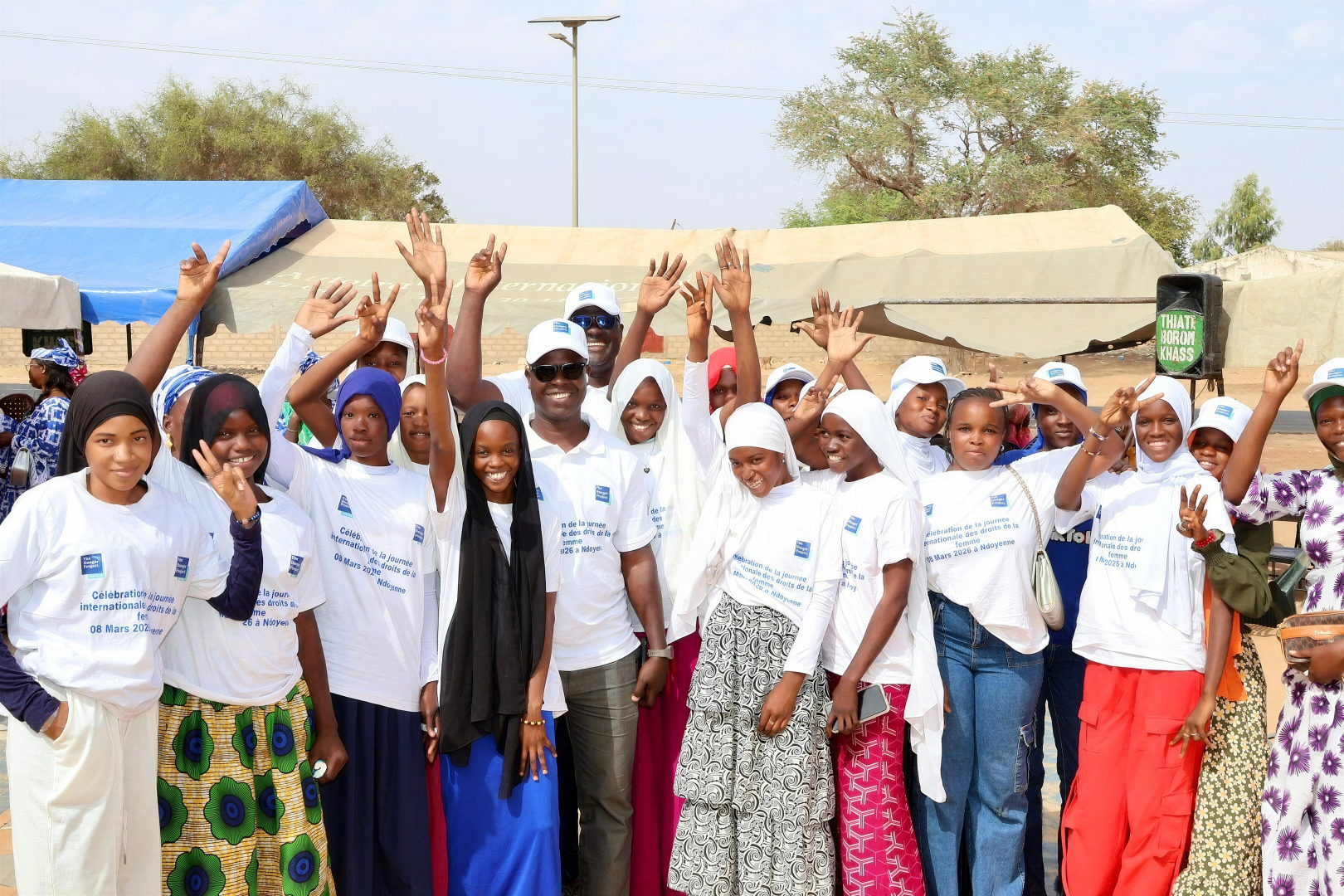
Economic independence in Ndoyene, Senegal.
In the municipality of Ndoyene, in northern Senegal, the land is dry and the water is scarce. Most people live on what they grow, but the rainfall has become increasingly unreliable and the soil gets salinized in many places. As a result, the land becomes less fertile, crops grow worse and the water becomes less suitable to drink or irrigate. Harvesting is increasingly disappointing and many families can no longer rely on their land for food or income. Some therefore leave in search of a better life elsewhere. But there are also people who stay. They want to build their village, along with their fellow villagers. Since 2025, The Hunger Project has been working with them on strong, resilient communities, with women and young people first.
Together with some 7,000 small-scale farmers and their families we work on four things: agriculture that is more resilient to climate change, more agricultural income, additional ways to earn money and better access to basic services such as clean water, nutrition and sanitation. We do this within the TERRE programme.
Why this program?
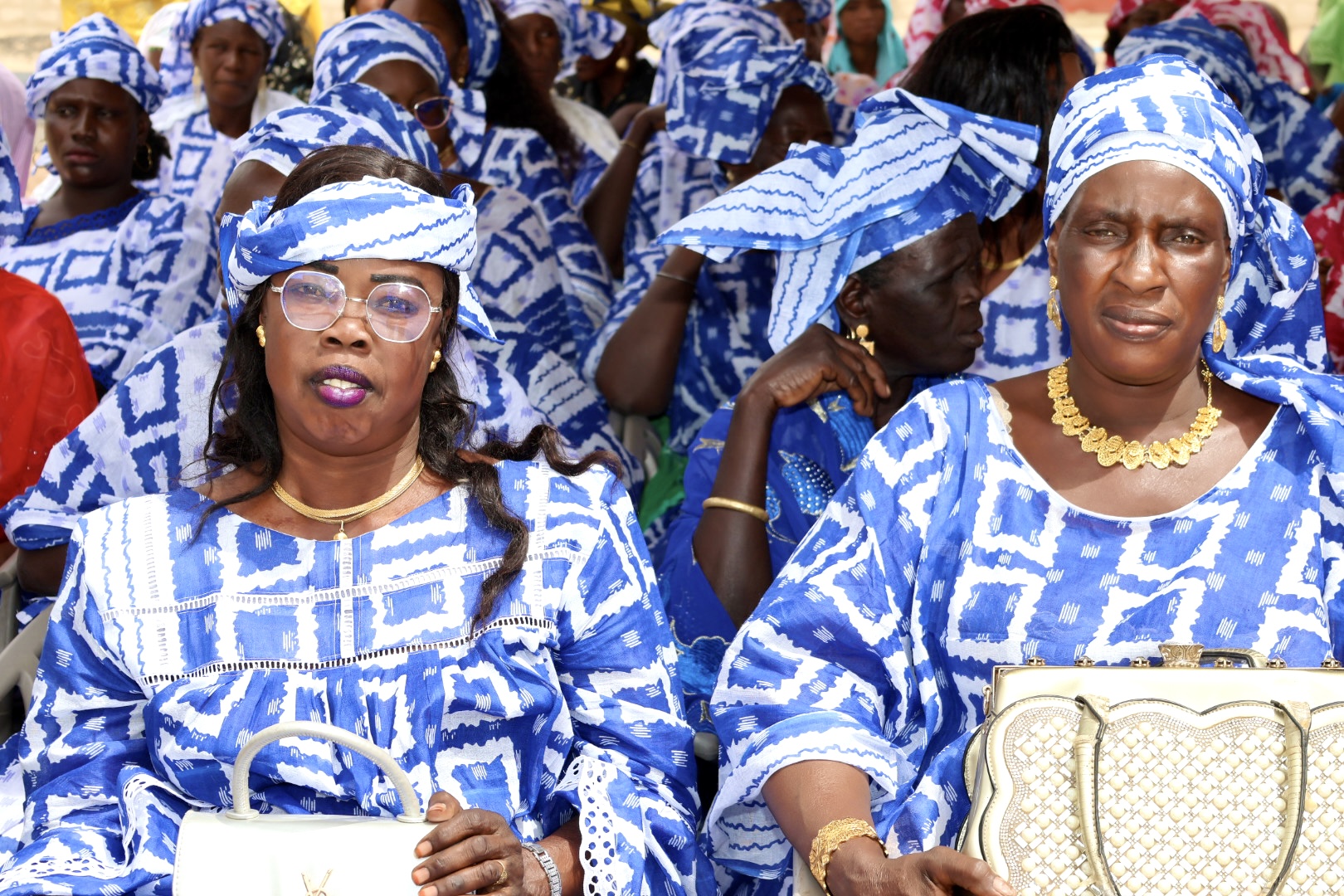
Ndoyene is located in a region where climate change is hard hit. The rainfall is becoming more erratic, harvesting falls against and water is hard to get. Sometimes the water is of poor quality, which can cause health problems especially in children and pregnant women. A lack of sanitation makes this even more vulnerable.
Women play a major role in food production, but have little access to land, credit or agricultural resources. That limits what they can build, for themselves and for their community.
At the same time, we see what is: communities that are resilient, people who know what is needed and are willing to put their backs into it together. We’ll build on that.
Working on security of living.
In Ndoyene, everything pertains to the combination of climate resilience and sustainability. Small-scale farmers learn to cope more effectively with drought, unpredictable rainfall and increasing salinisation of the soil, so that they increase their climate resistance and their land remains productive, with more stable harvests and income as a result. They also learn to store and process their harvest better. As a result, fewer products are lost and not all need to be used or sold directly. Instead, farmers can sell their products when the market is favourable and at the same time withhold sufficient food for their own families.
But growing food alone isn’t enough to build survival. That is why people also develop additional sources of income, such as small businesses and savings and credit groups. For example, families are less vulnerable when a harvest is disappointing or the season is disappointing. Women and young people play a central role in everything, including local decision-making. For example, 7,000 people in Ndoyene are building a more secure existence and a future in their own hands.
Clean streets and a new mindset.
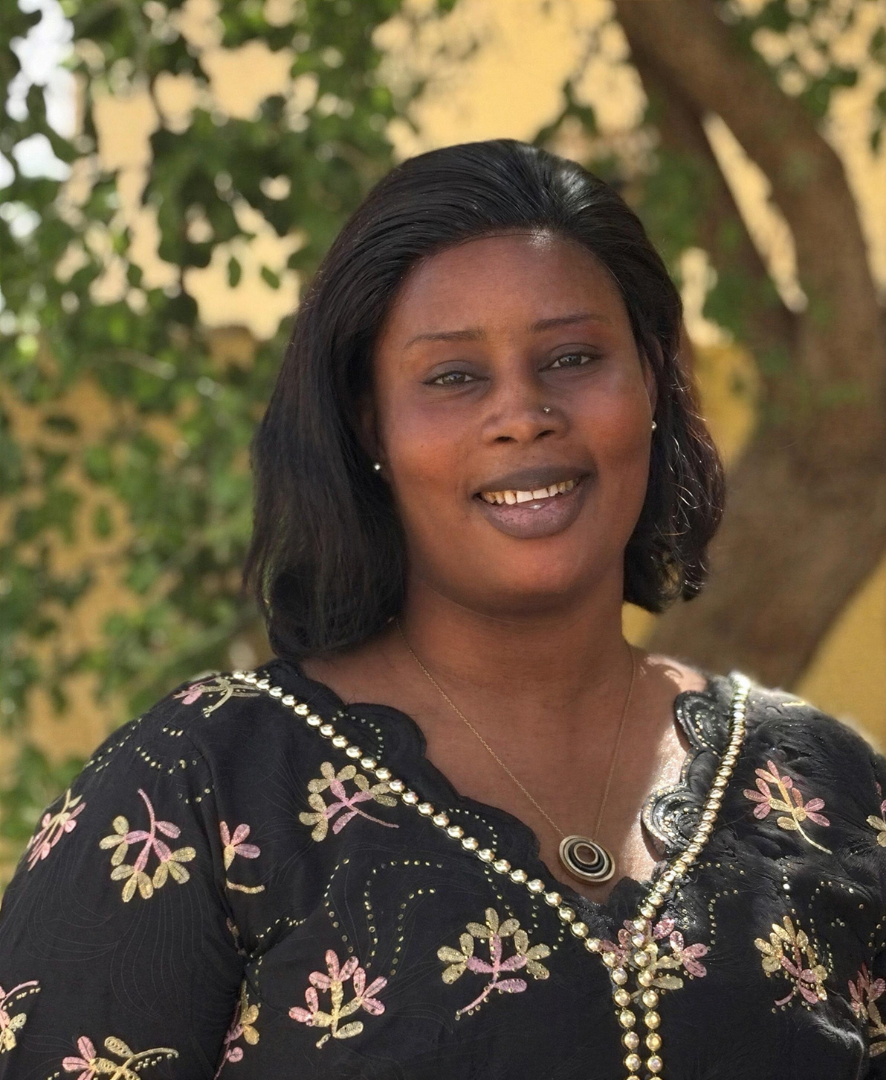
Bousso was chosen by her own village as a volunteer in Ndoyène. Not because someone pointed out to her from outside, but because her fellow villagers trust her. She explains to herself why she applied: “I do not want to be a volunteer who sits at home while children around me are malnourished, water is scarce and harvests are disappointing. I want to do something about the inequality that affects women, and work for better nutrition, health and opportunities for women.”Through the VCA method of The Hunger Project she learned how to guide her community. She organised a workshop on health and a clean environment for the women of Ndoyène. What do you want for yourself and your children? And what can you do about it yourself? They picked up something that had been missing for years: keeping the streets clean. Now that happens every two weeks, completely organized by the women themselves.
Sustainable Development Goals (SDGs)
TERRE runs from 2025 to 2030. By then, we want Ndoyene to be a community that can continue on its own. With more resources, better access to basic facilities and people who make the decisions about their village.
This programme shall contribute to:
- No poverty
- Not hungry
- Good health and well-being
- Gender equality
- Clean water and sanitation
- SDG 8 “Honest work and economic growth
- SDG 13 ” Climate action
Together, we put an end to hunger.
The Hunger Project shows with over 45 years of experience and with programmes in almost 7,533 villages in 13 programme countries that the end of hunger is feasible. The approach varies from country to country, because the conditions are also different, but in all areas the people who are hungry are at the centre. They themselves carry the solution from the bottom, from the inside. Hungry is fixable, and we do it together. You too can be part of the solution. With your support, millions of people in various places in the world are working on a better future without hunger.