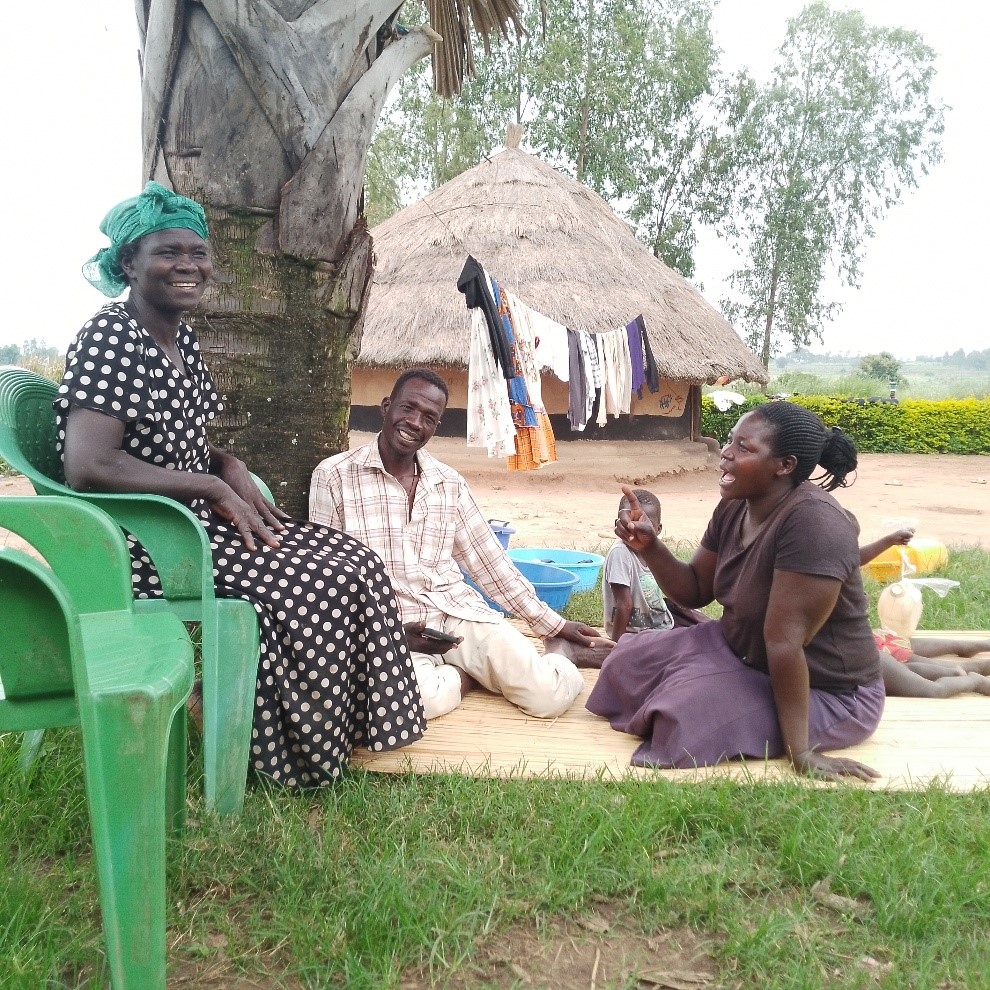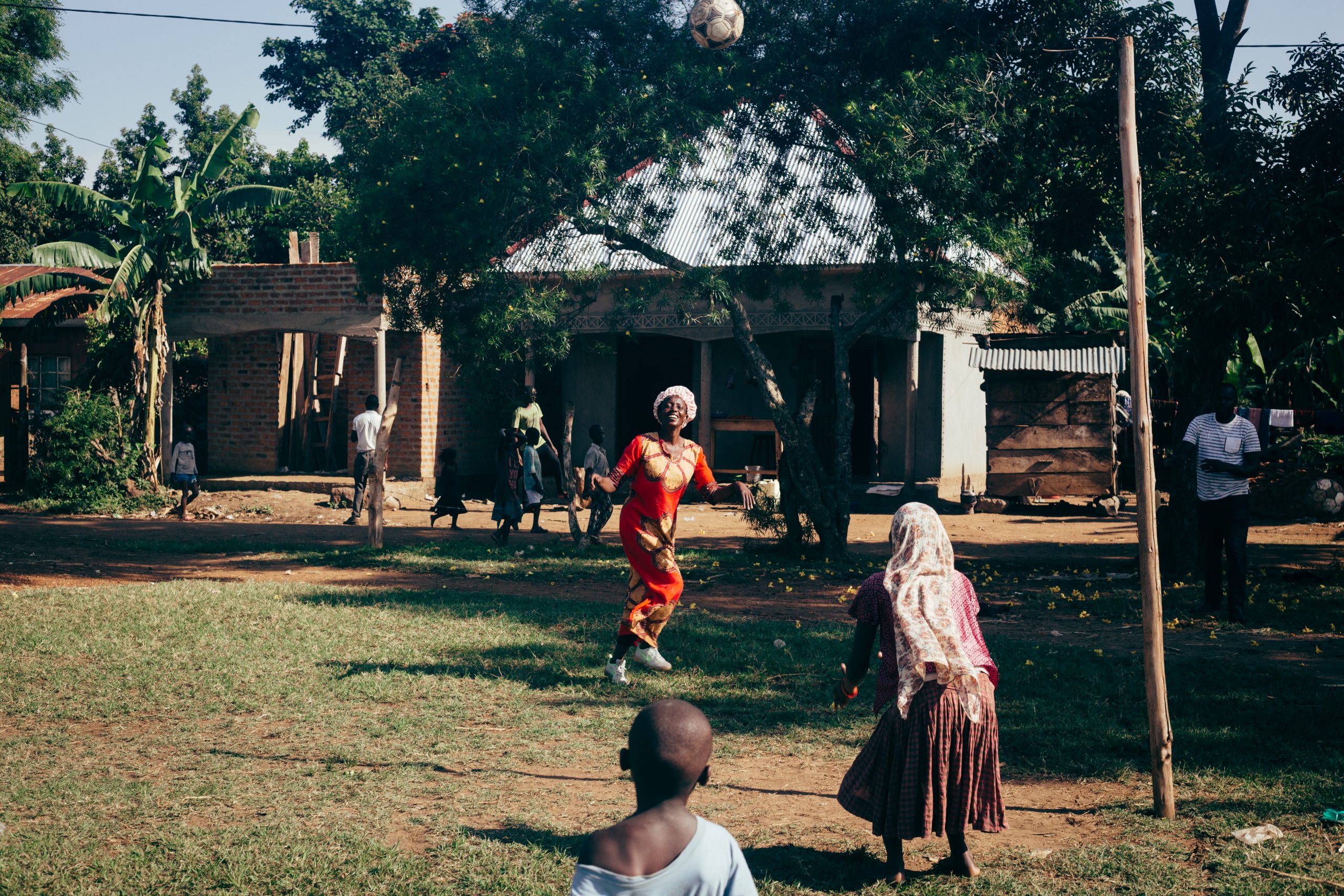
Peaceful communities in Uganda.
Food security and peace are closely linked. Where people cannot rely on food, water, land or work, tensions rise and it becomes harder to build a future together. Hunger can fuel conflict, and conflict in turn often leads to hunger. That is why we work to build peaceful, resilient communities in northern Uganda, a region where decades of conflict have left deep scars. The region is still dealing with the aftermath of this violent period, including trauma, ethnic tensions and disputes over land rights. At the end of 2024, together with the organisation Mensen met een Missie, we launched a new programme to address these challenges. The Peace Project works on land rights, healing from trauma and rebuilding trust between ethnic groups, so that people can once again build a better future free from poverty and resolve their conflicts peacefully themselves.
The context.
In Uganda, social cohesion is under pressure. This is driven by mistrust, inequality and limited contact between ethnic and religious groups. Refugee flows add to the tensions, which sometimes even turn violent.
Many communities, especially young people and women, have no space to make their voices heard on local decisions that affect their lives. Their rights are limited, including women’s rights, inheritance rights and land rights, and so is their access to mental health care. This adds to their sense of insecurity.
Yet it is local religious leaders, women and young people who play a key role in the solution: creating space for dialogue and strengthening relationships with authorities and service providers. Real peace does not begin at the negotiating table, but in people’s homes, in communities that live with the consequences of conflict every day.
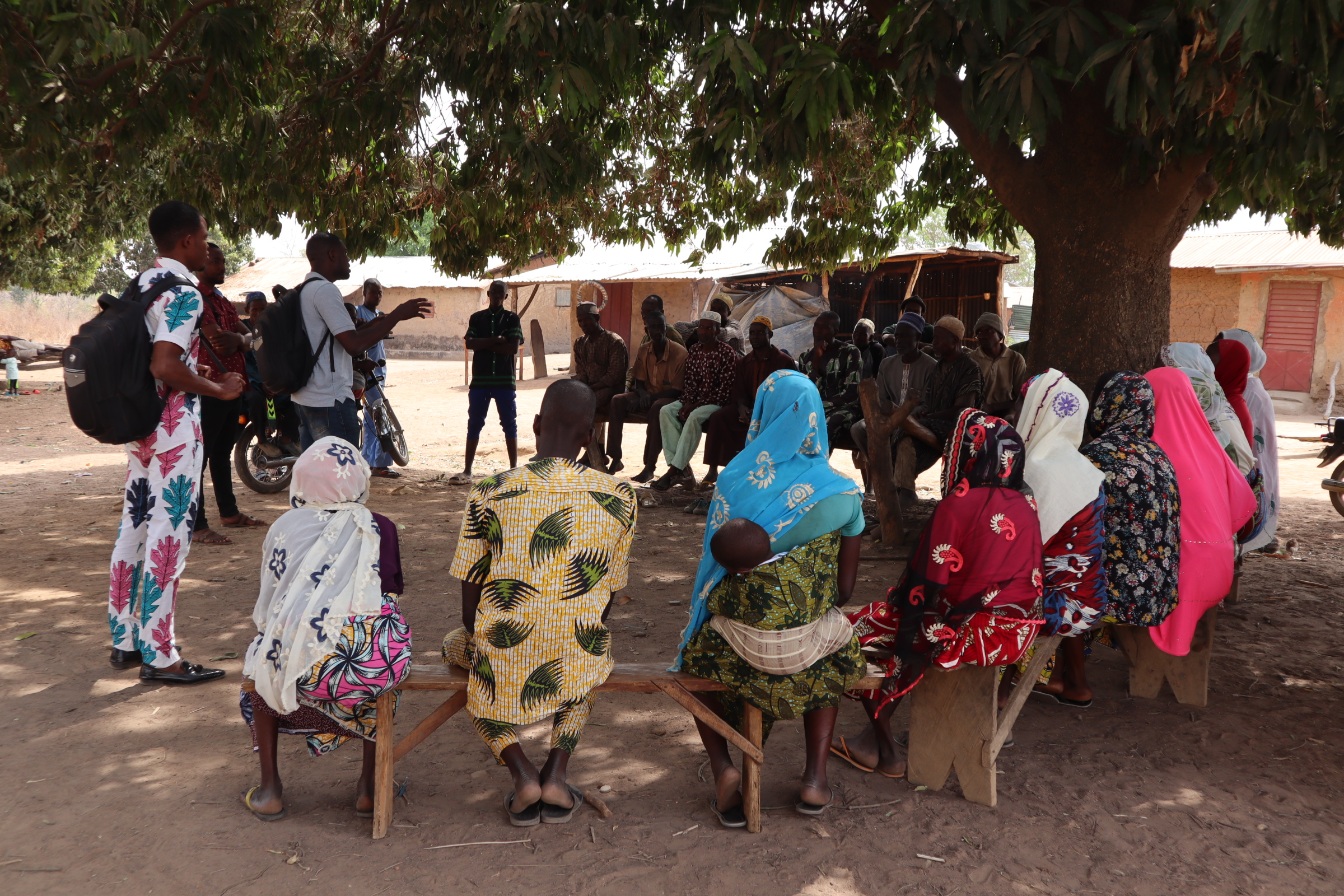
In a personal article, Allan shares what he learnt about peacebuilding in Nwoya, a region affected by violence for many years. His most important insight? Peace is about patience and rebuilding trust. It is about people who have lived through conflict and who, precisely because of that, hold an important and powerful position in rebuilding their communities.
“Real experience comes from survival, resilience and choosing, every single day, to forgive the unforgivable.”
Allan Mubiru,
former intern at The Hunger Project Uganda
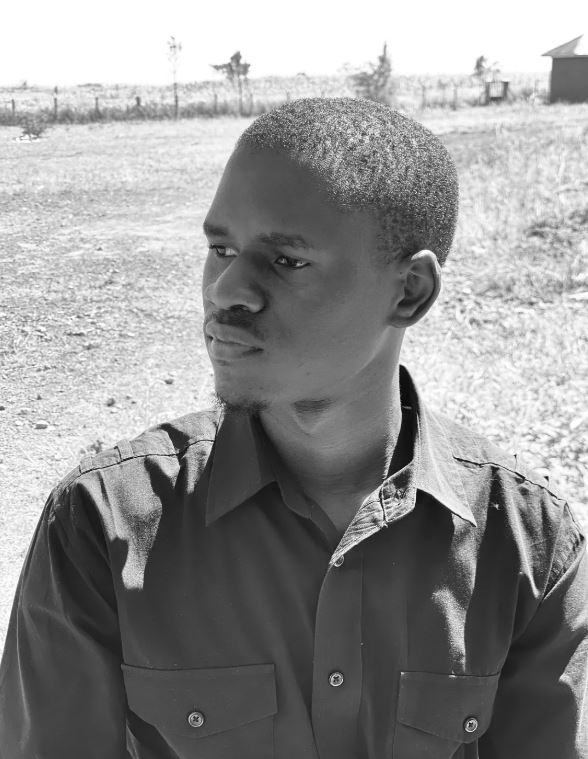
The Peace Project.
Through The Peace Project, we strengthen and stabilise communities in Uganda that have been affected by conflict. The Hunger Project works on improving social cohesion, basic services, advocacy and self-reliance, while the Ugandan partners of Dutch organisation Mensen met een Missie and The Human Security Collective work on peacebuilding, land rights, trauma healing and stability. It is this combination that makes the approach so effective, because tensions often arise when basic needs go unmet for too long, causing conflicts to flare up again and again. Our work is community-led and bottom-up: rather than imposing solutions from outside, we walk alongside people and build on what they themselves say they need. After all, building a stable community starts with the people themselves.
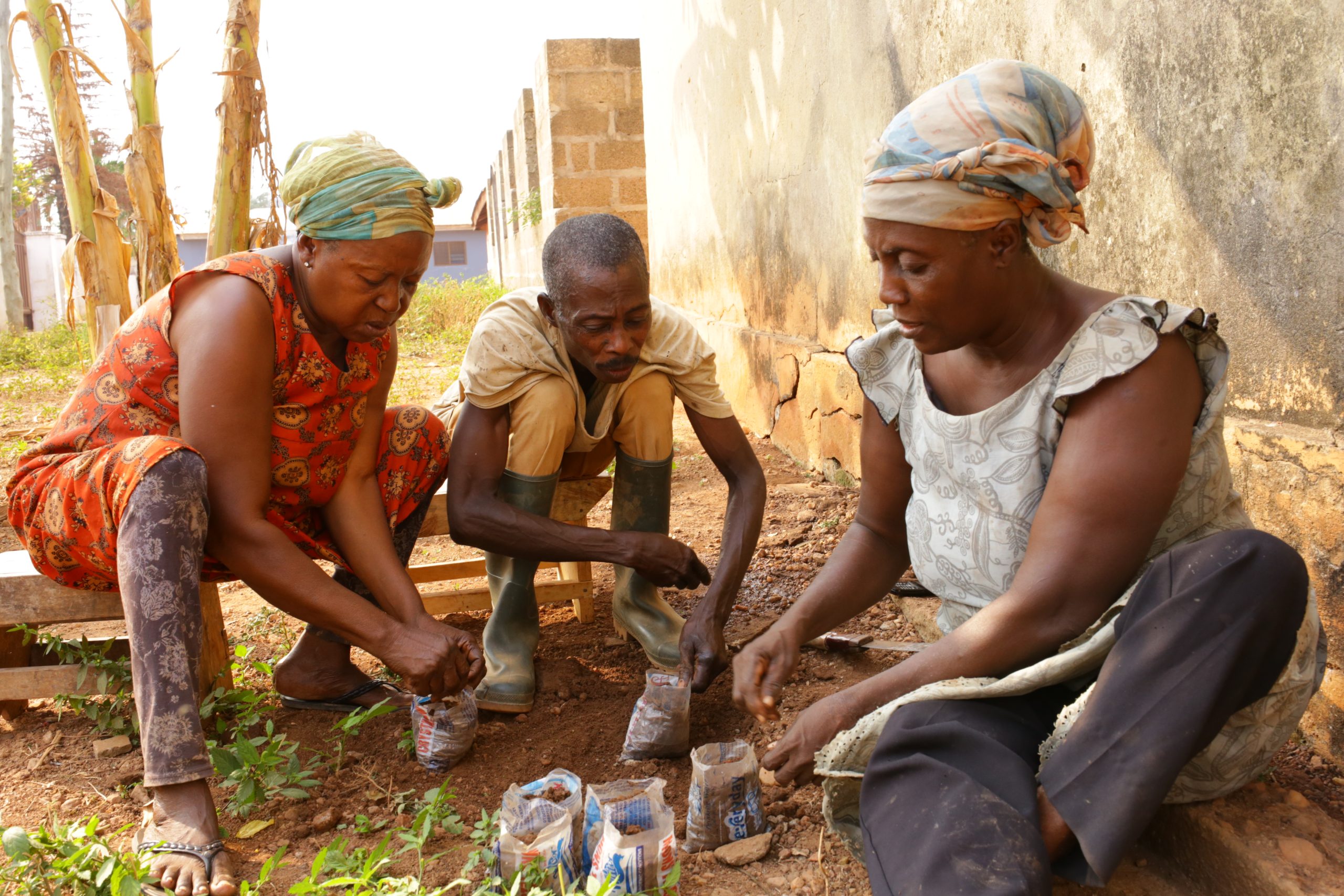
“Before I took part in The Peace Project’s training, I believed that fighting was the only way to defend what was mine. But when I saw two families resolve their conflict peacefully, I realised that peace is possible. Today I believe in talking, listening and building peace. This change has given me hope, not just for myself but for our whole village. We now know that peaceful solutions make families and communities stronger.”
Apiyo, Uganda