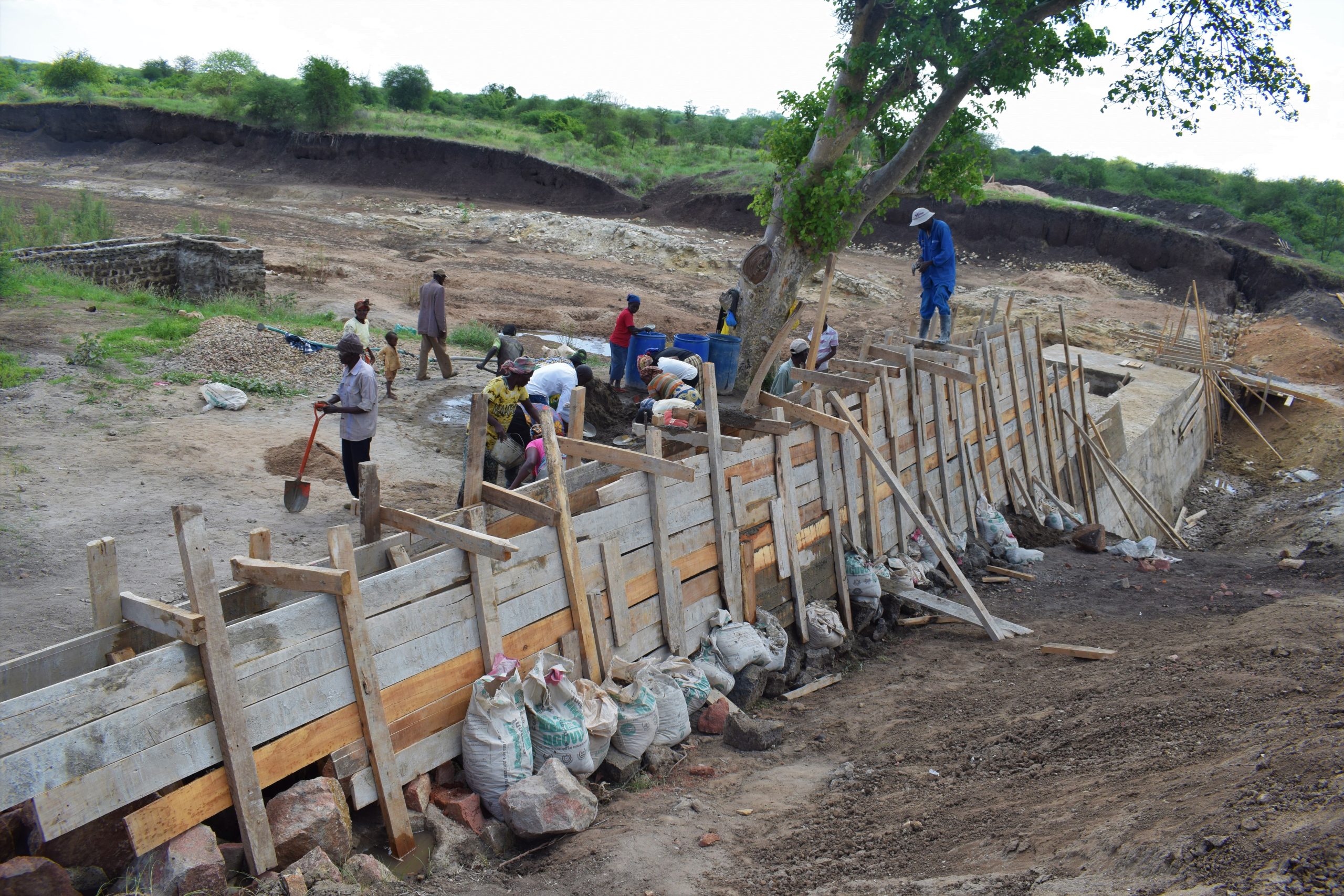
Sand dams in Malawi, Benin and Burkina Faso.
Access to water all year round.
Around 2.2 billion people cannot take access to safe, clean water for granted, yet it is the foundation of everything, from drinking and cooking to washing and farming. In many rural areas of sub-Saharan Africa, water scarcity is a structural barrier to development. Rain often falls in short, heavy bursts and quickly runs off, followed by long periods of drought. That is why The Hunger Project is working on a solution: the sand dam. Through the “Water Winnen” programme, we work with local communities to build sand dams in riverbeds that capture rainwater and keep it available during dry spells. A single dam can provide up to a thousand people with water all year round, leading to better harvests, greater food security, healthier families and new opportunities for women.
With support from the participants of the Dutch Postcode Lottery, and in partnership with Sand Dams Worldwide and AidEnvironment, we are building sand dams in Malawi, Benin and Burkina Faso.
Why we invest in safe water.
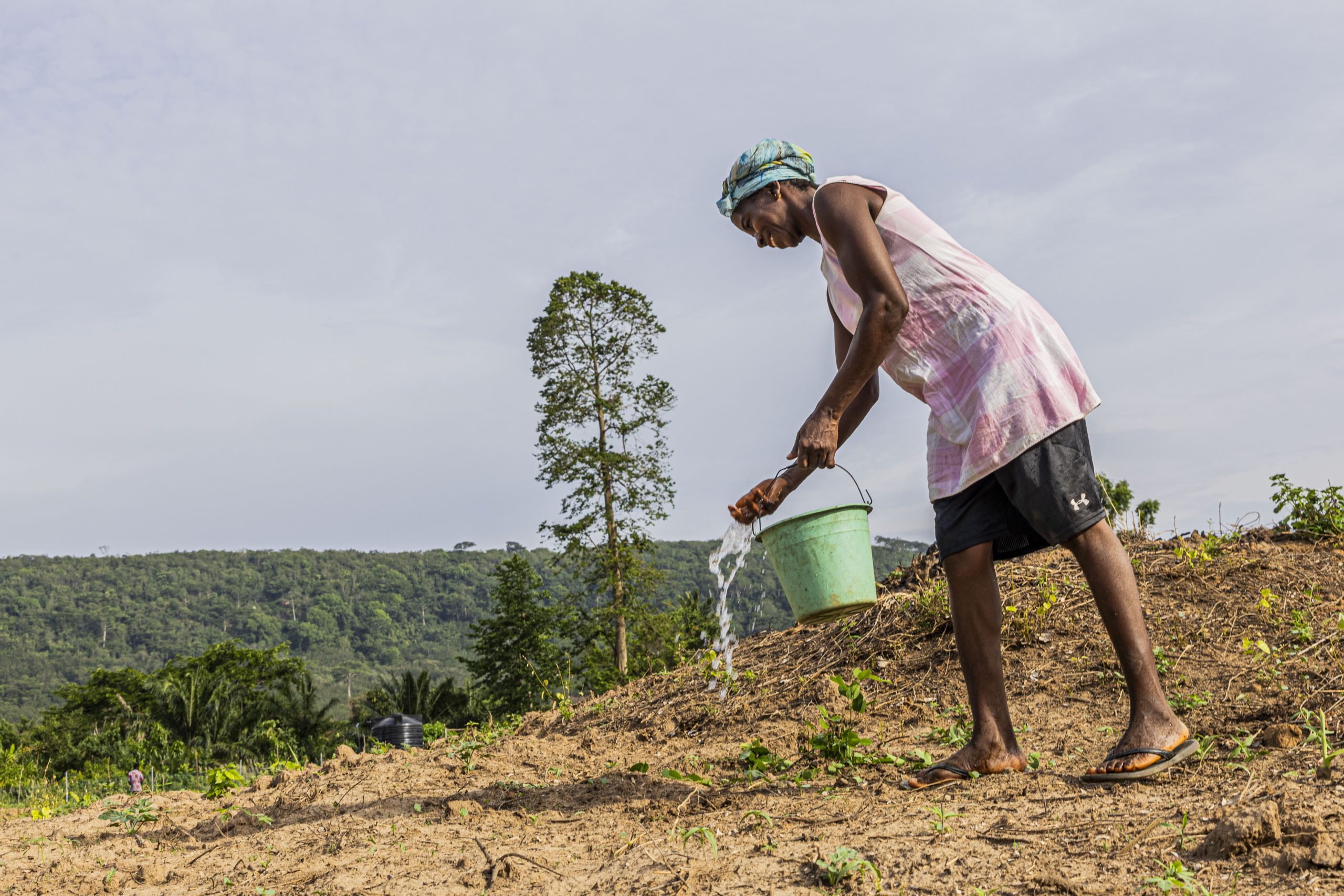
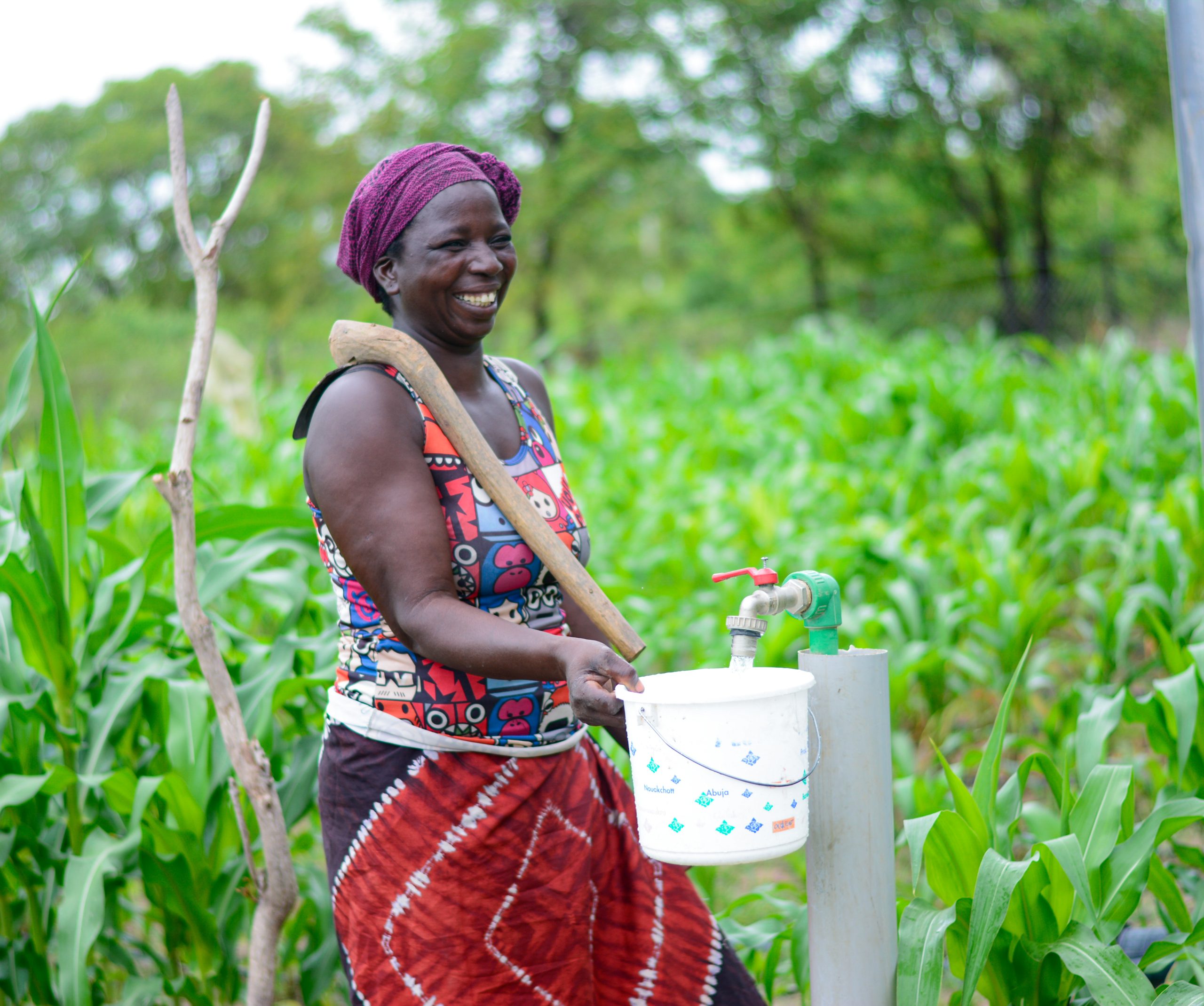
Water is more than a basic need: every other kind of progress depends on it. However hard communities work towards a better future, without reliable access to safe water, their efforts will only go so far. With it, everything changes. Safe water is the key to better harvests, greater food security, healthier children, higher school attendance, economic development and new opportunities for women. That makes a sand dam much more than a water project. It is a practical solution that drives progress on many fronts at once, as the examples below show.”
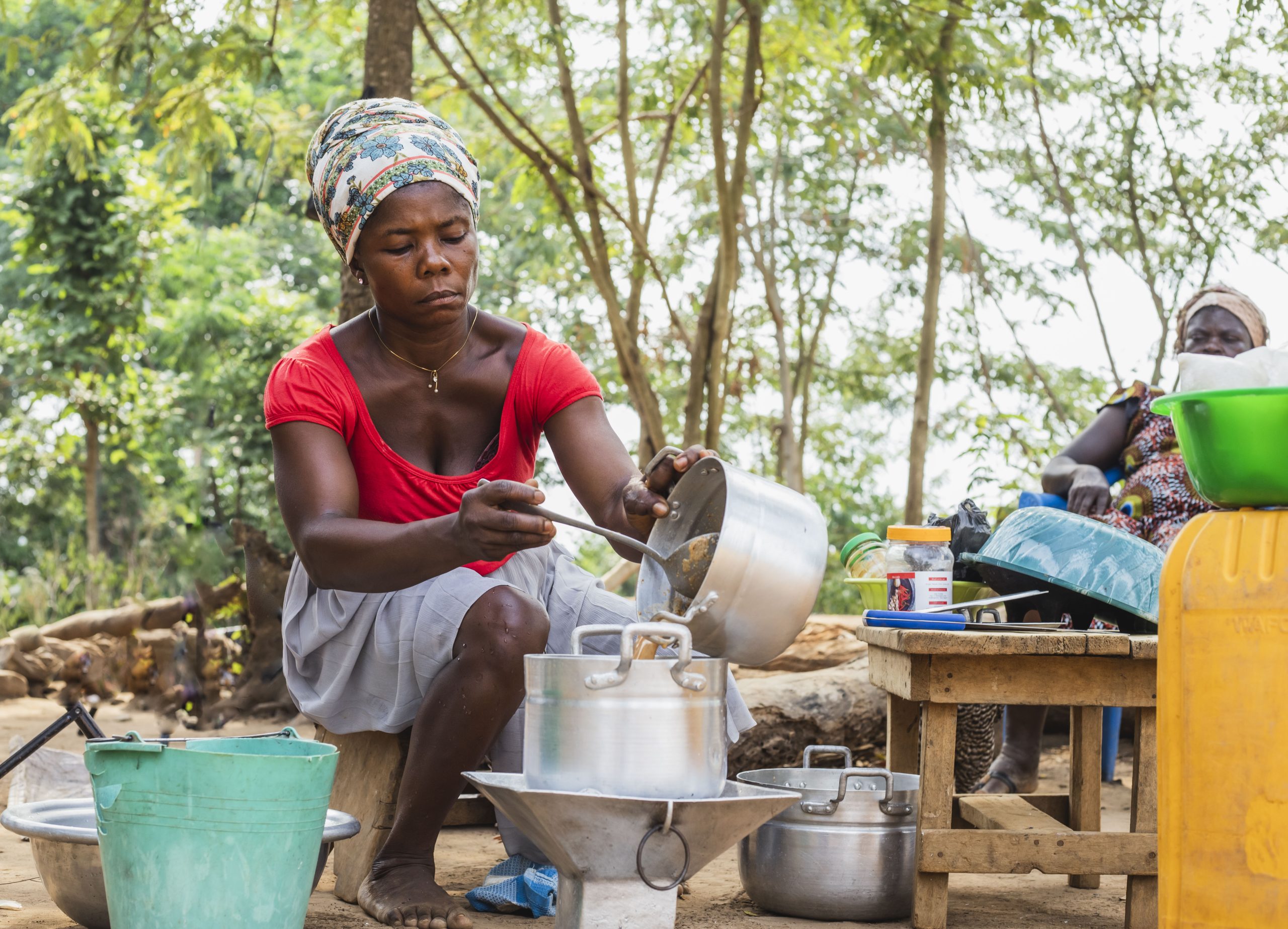
Photo: Infoni Media
How does a sand dam work?
A sand dam is a low concrete wall built across the bed of a seasonal river. During the rainy season, the dam traps the sand carried along by the flowing water. Water is stored between the grains of sand, where it is protected from evaporation. Through hand pumps and wells, it remains available all year round, even in the driest months. A single sand dam can store tens of millions of litres of water: enough for hundreds of households.
Our approach.
The Water Harvesting approach consists of four steps that together ensure lasting access to water. From construction to management and scaling up, we work with local communities at every step to create a sustainable, local solution.
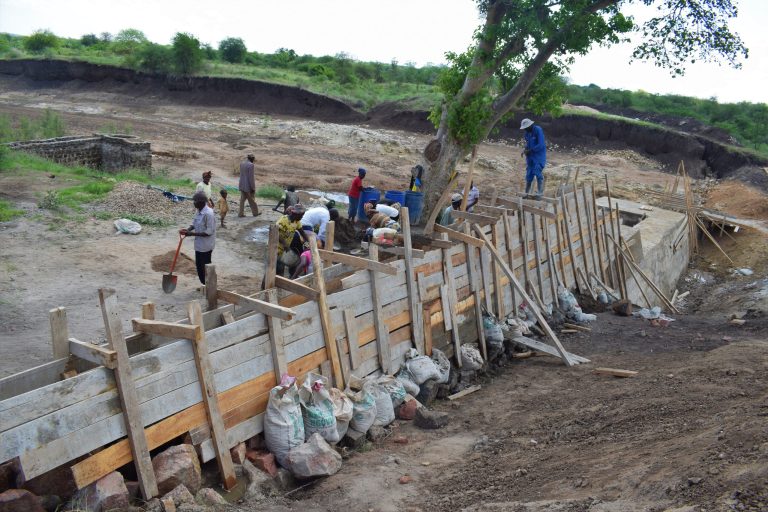
Sand dams are built at carefully selected sites, with the community actively involved, from gathering materials to the construction itself. Our partners provide technical guidance, while The Hunger Project trains local people and organisations so that the knowledge stays in the community.
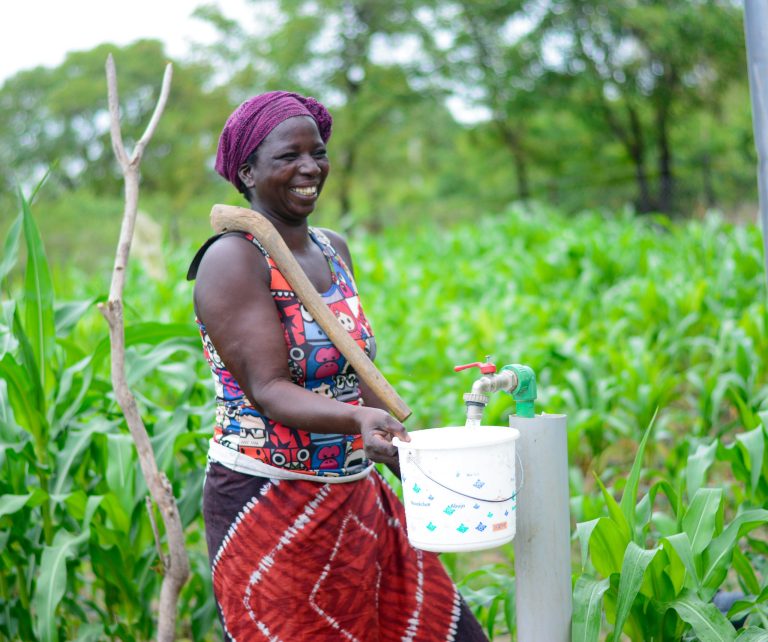
Once a dam has been built, the community takes charge of managing it. Water committees of trained villagers look after maintenance and use, and make sure the water is shared fairly. Because the dams are built and managed together with the community, people take local ownership of them.
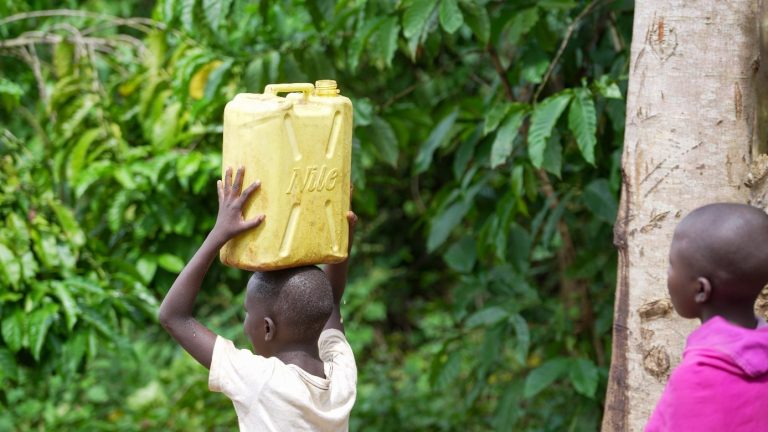
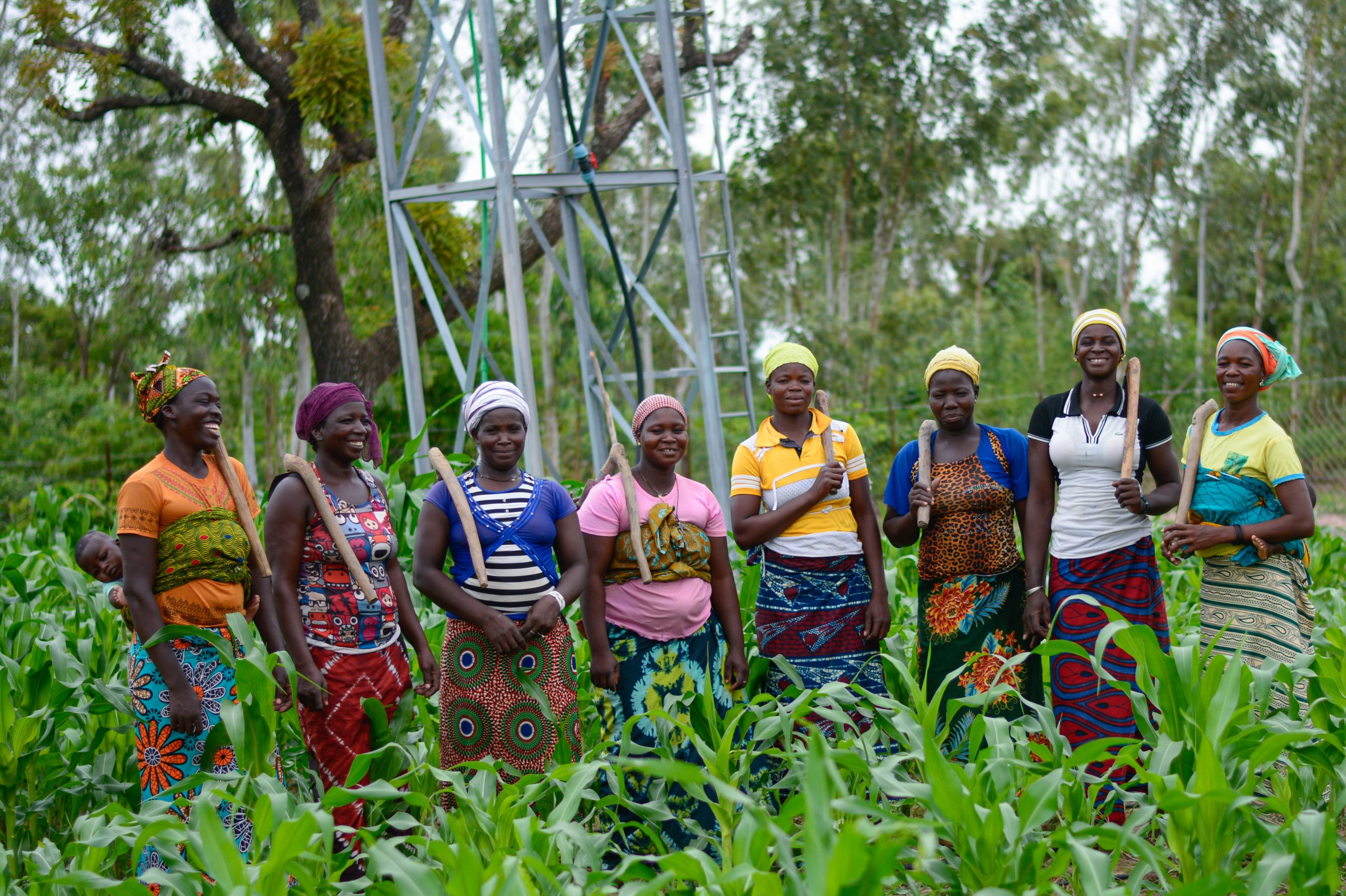
The community decides how the water is used. In some areas, the focus is on access to safe drinking water for households. In others, the water is used for farming, for example to irrigate vegetable gardens, or as drinking water for livestock.
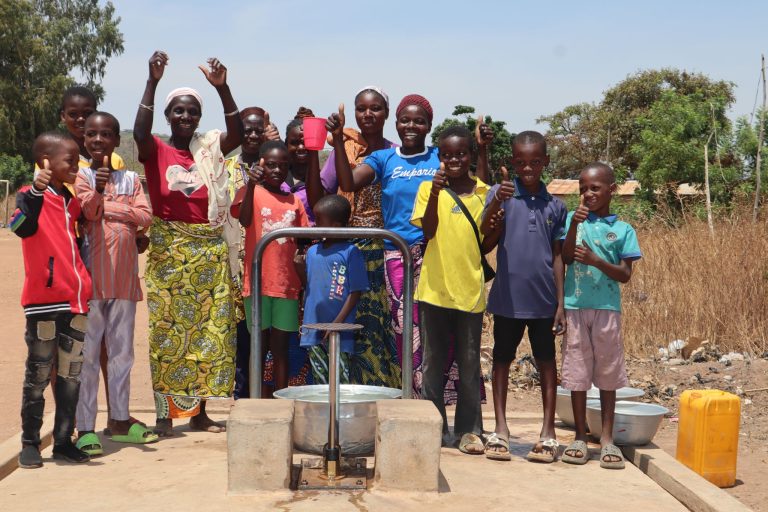
We don’t just build dams; we also build knowledge. Through learning visits and partnerships, local people are trained so that they can build new dams independently in the future. We also work to get sand dams recognised in national policy, so that the approach can be scaled up and spread further.
Sustainable Development Goals.
Access to water does not affect just one development goal, but several at once. This programme therefore contributes to:
- SDG 2: Zero Hunger
- SDG 3: Good Health and Well-being
- SDG 5: Gender Equality
- SDG 6: Clean Water and Sanitation
- SDG 13: Climate Action
- SDG 17: Partnerships for the Goals