Peaceful communities in Uganda.
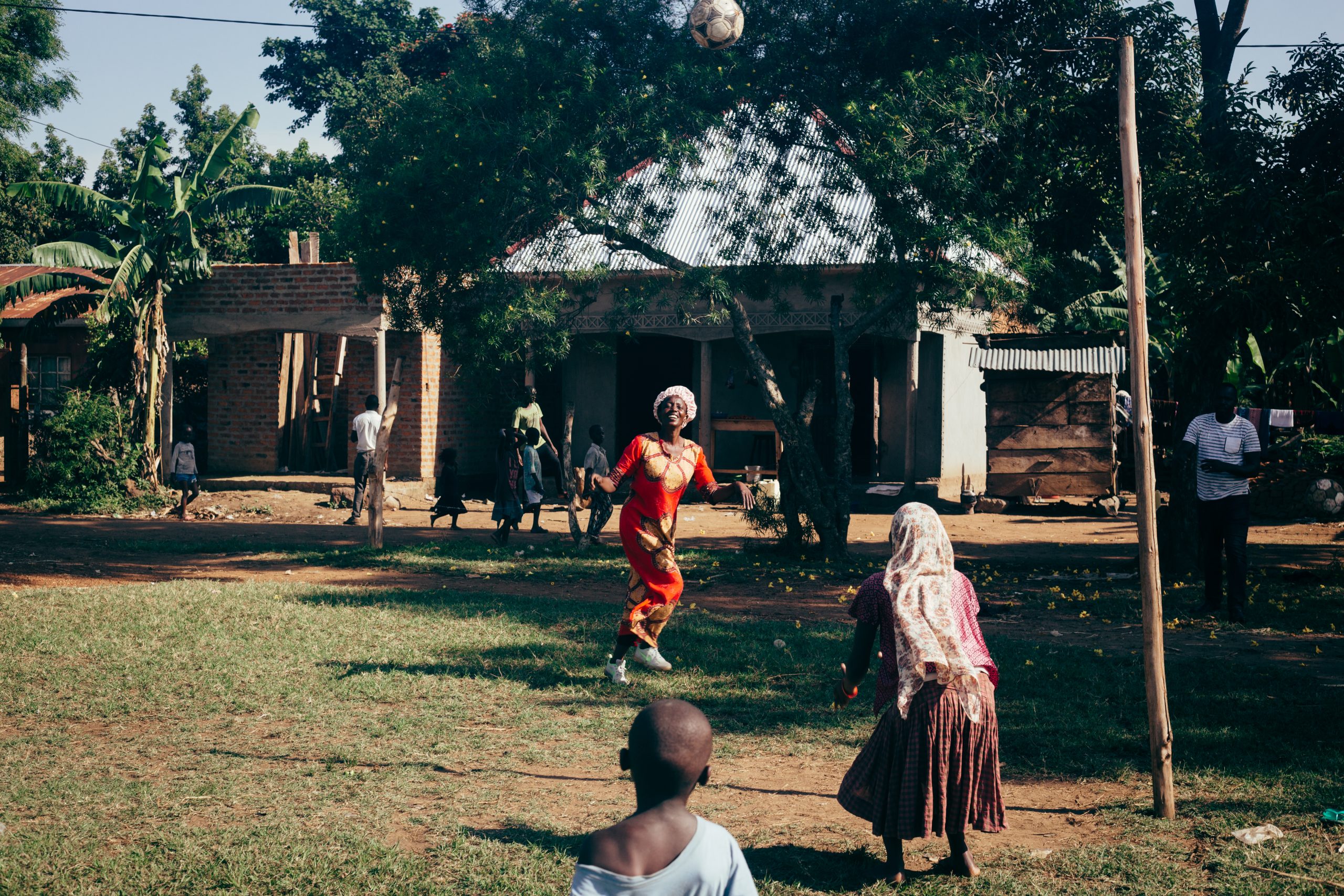
Food security and peace are closely linked. Where people are not sure about food, water, land or work, tensions increase and it becomes more difficult to build a future together. Hunger can fuel conflicts, and vice versa, conflict often leads to hunger. That’s why we’re working in northern Uganda on peaceful, resilient communities. Here, decades of conflict have left deep wounds. The region is still struggling with the effects of this violent period, such as trauma, ethnic tensions and land rights conflicts. Together with the organisation People with a Mission, we started a new program at the end of 2024 that responds to these challenges. The Peace Project is committed to land rights, trauma processing and restoring trust between ethnic groups. So that people can rebuild a better future without poverty and resolve their conflicts peacefully themselves.
The context.
In Uganda, the social cohesion of society is under pressure. This is caused by distrust, inequality and limited interaction between ethnic and religious groups. Refugees increase tensions, sometimes even by violence.
Many communities, especially young people and women, do not have room to voice local decisions that affect their lives. They have limited rights – including women’s rights, inheritance rights and land rights – and access to mental health care, which enhances the sense of insecurity.
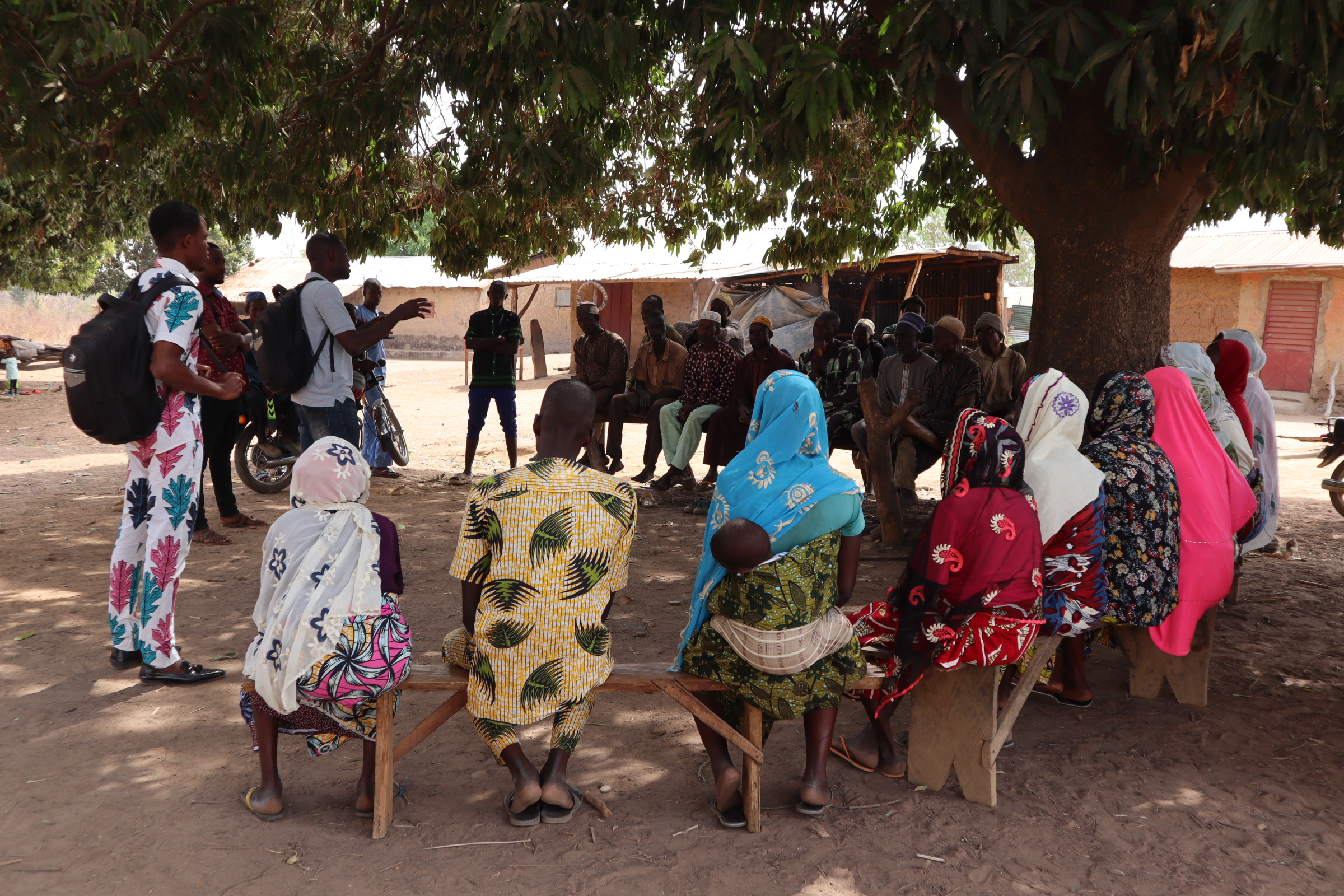
Júist local religious leaders, women and young people play an important role in the solution: creating room for conversation and strengthening relations with authorities and service providers. Real peace doesn’t start at a negotiating table, but at people’s homes, it starts at communities that live daily with the consequences of conflict.
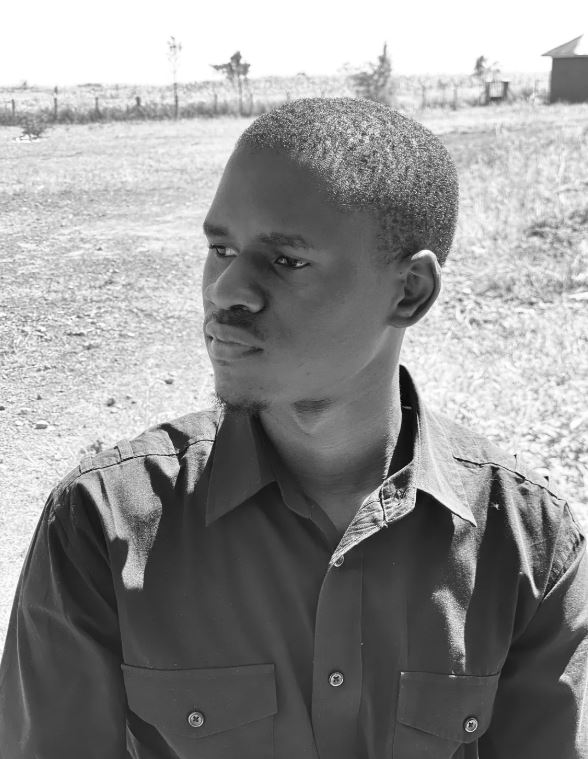
Allan tells in a personal article what he learned about peacebuilding in Nwoya, a region that was hit by violence for years. His most important insight? Peace is about patience and restoring trust. It's about people who have been in conflict, and that's why they have an important and powerful position in rebuilding their community. Real experience comes through survival, resilience and every day choosing to forgive the unforgivable
The Peace Project.
With The Peace Project we strengthen and stabilise communities in Uganda that have been affected by conflict. The Hunger Project is working to improve social cohesion, basic services, pleading and influencing and self-reliance, and Ugandan partners of People with a Mission and The Human Security Collective work on peace building, land rights, trauma processing and stability. It is precisely this combination that is powerful, because tensions often arise when basic needs remain unfulfilled for too long and therefore conflicts rekindle. We work community-led and bottom-up: not by imposing solutions from the outside, but by walking with people and joining what they consider necessary. Because building a stable community starts with people themselves.
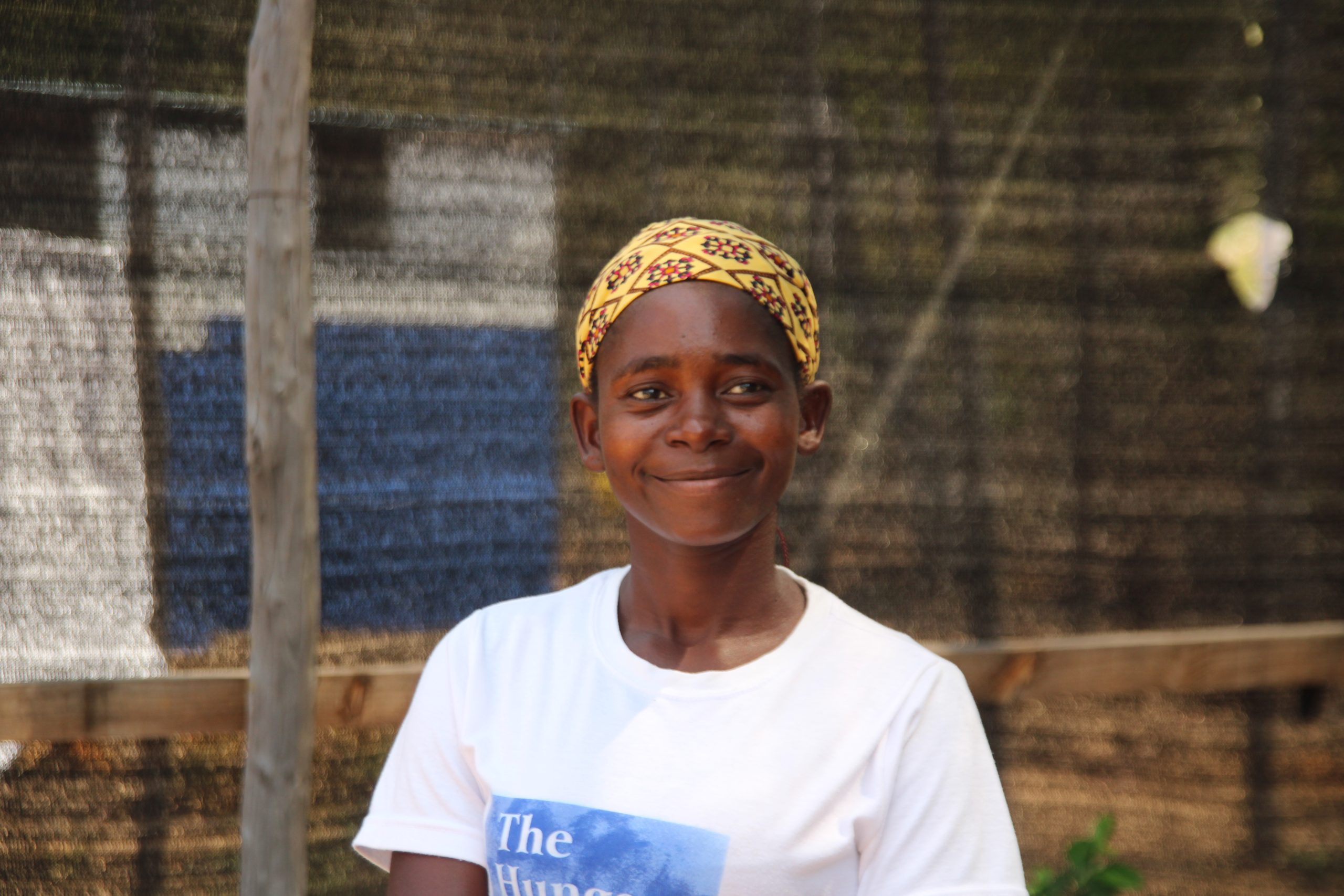
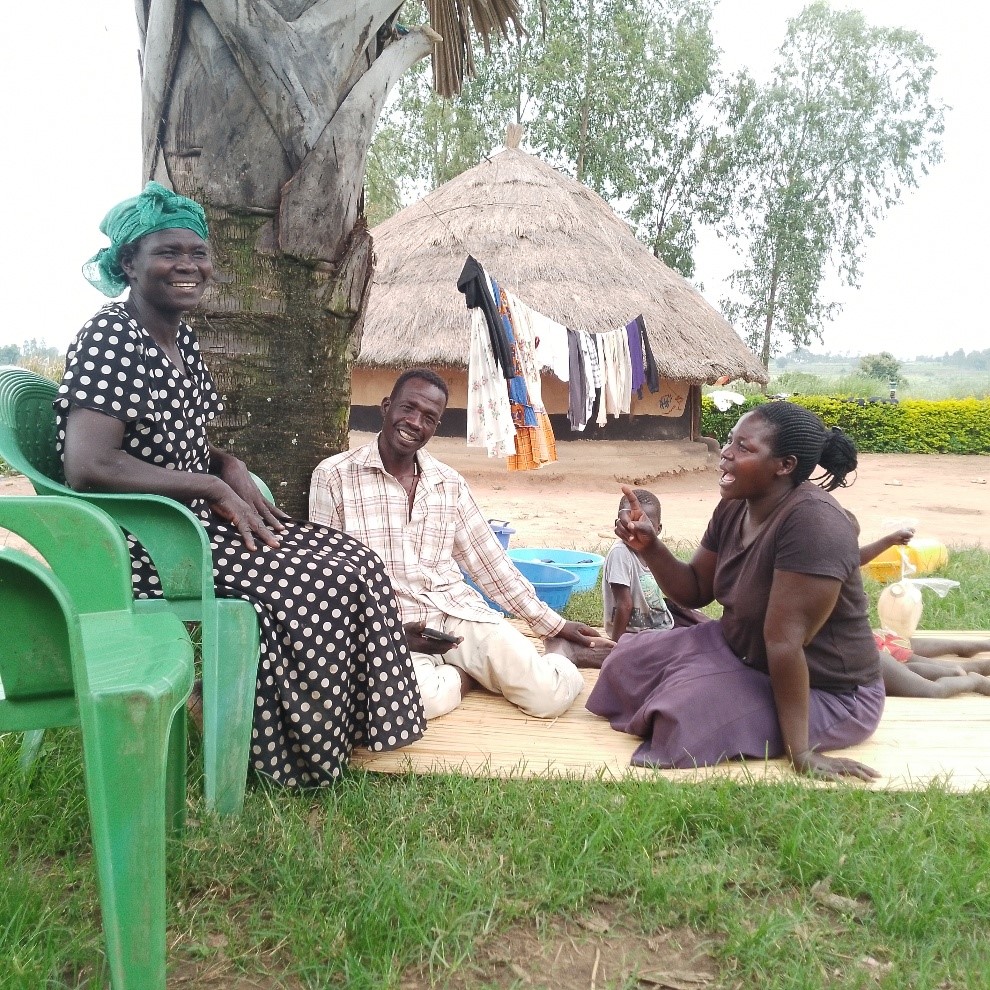
Before I took training from The Peace Project, I believed fighting was the only way to defend what was mine. But when I saw two families solving their conflict peacefully, I realized that peace is possible. Today I believe in talking, listening and building peace. This change has given me hope, not just for myself but for our whole village. We now know that peaceful solutions make families and communities stronger.
Apiyo, Uganda
Together, we put an end to hunger.
The Hunger Project shows with over 45 years of experience and with programmes in almost 7,533 villages in 13 programme countries that the end of hunger is feasible. The approach varies from country to country, because the conditions are also different, but in all areas the people who are hungry are at the centre. They themselves carry the solution from the bottom, from the inside. Hungry is fixable, and we do it together. You too can be part of the solution. You in?