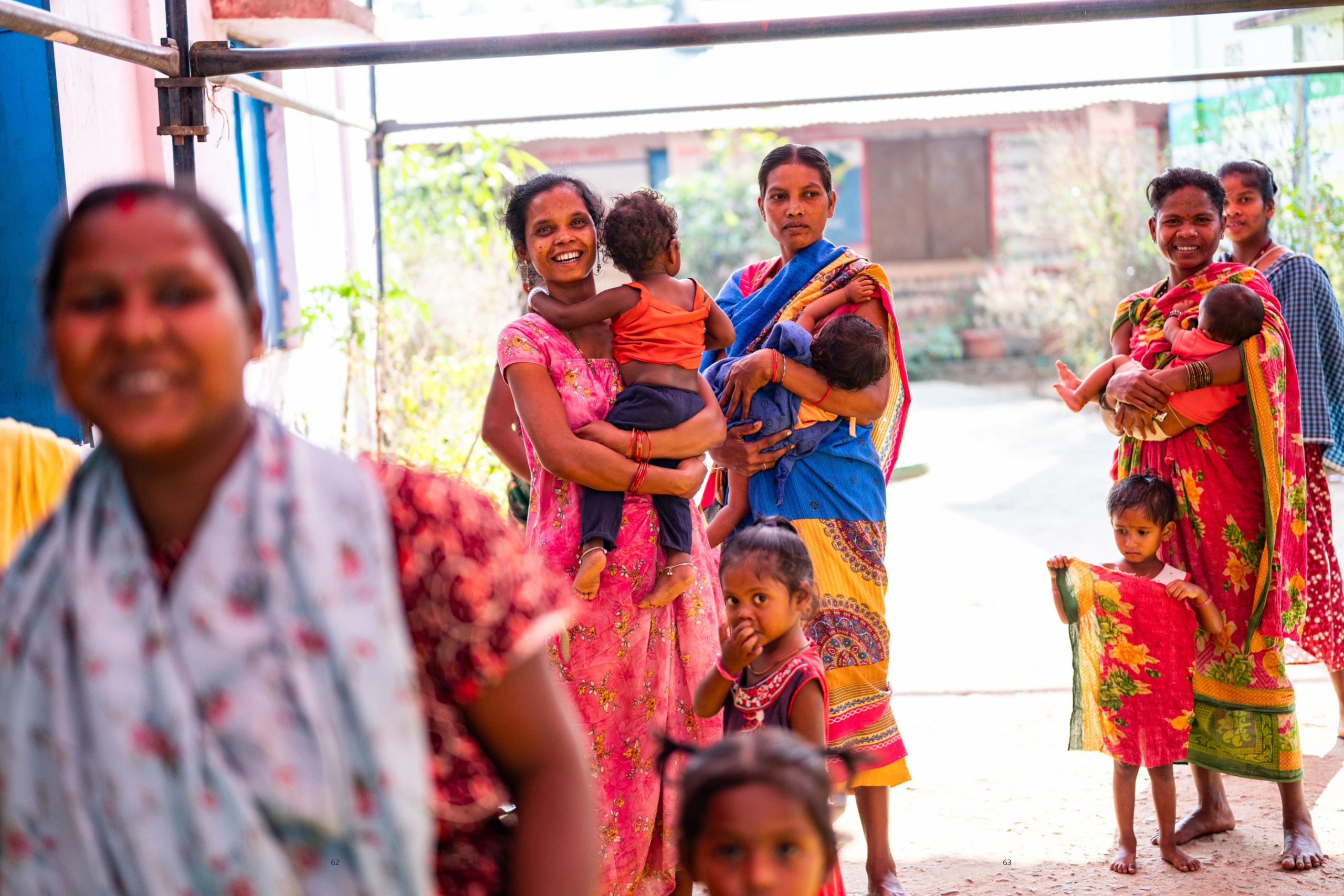
Female leadership in Odisha, India.
Odishas 100
WithOdishas 100 we invest in female leadership in India. Because although India’s economy is growing, poverty, hunger and inequality remain deeply rooted in society. The Hunger Project believes that women are the key to breaking that. In the state of Odisha we therefore train and guide women in their leadership role. They know their village from within, know what is going on and ensure that government regulations and subsidies end up with people who need it and are entitled to it. With this program we build on their own strength. The skills and confidence they build, they pass on to the next generation.
The position of women in Odisha.
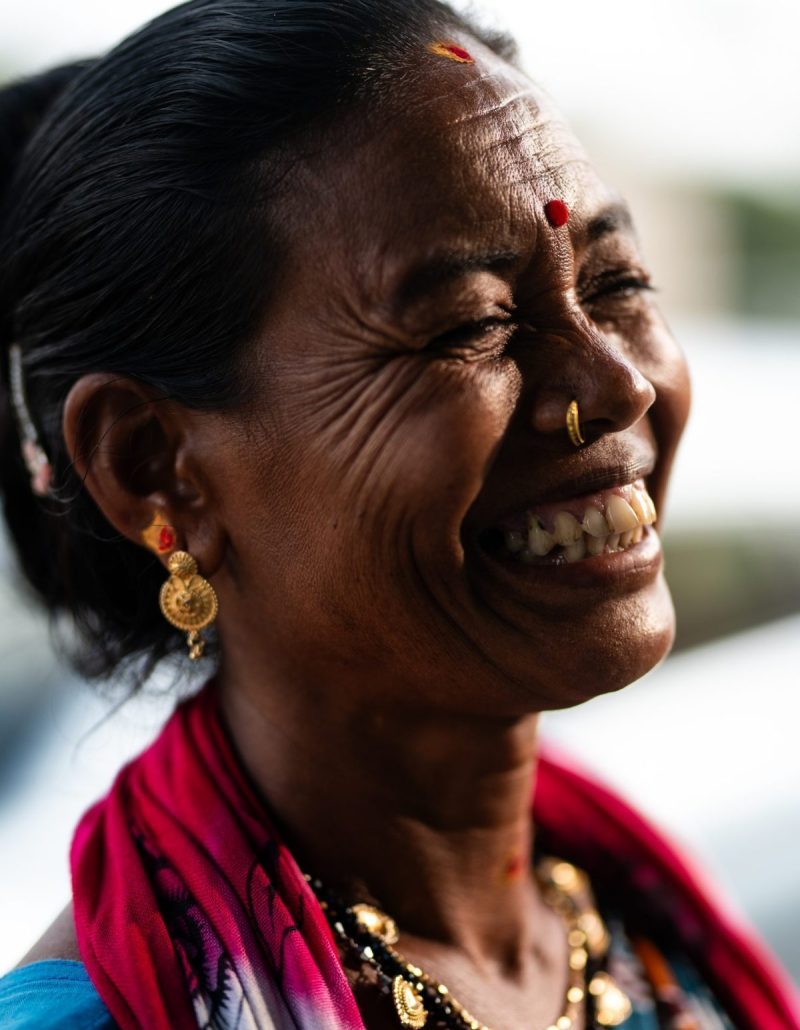
This affects women and girls disproportionately. They have less access to education and health care, less economic opportunities and less influence on decisions that determine their own lives. They are also more likely to face violence and discrimination. In Odisha 32% of women are victims of (sexual) violence by a partner, almost one in three women cannot read or write and one in five girls marry before her 18th birthday.
This inequality often begins at birth and lasts a lifetime. Those who have fewer opportunities to go to school, earn an income or decide with them also have fewer opportunities to help themselves and their families out of poverty. This affects not only women and girls, but also the development of entire communities.
- Sources: Global Hunger Index 2025
- NITI Aayog, National Multidimensional Poverty Index: A Progress Review 2023, based on NFHS-5 data (2019-21). Published July 2023.
- National Family Health Survey 5 (2019-2021)
Our work in Odisha in two minutes.
Heard from the village council.
In India, there are many government schemes to help people out of poverty, such as food stamps, pensions, school meals and housing subsidies. Yet they do not always reach the people they are meant for. Corruption, bureaucracy and inequality often hinder fair distribution.
The Gram Panchayat, the local village council, plays an important role in the implementation of these arrangements and making them accessible to the people entitled to them. That’s why The Hunger Project invests in female leaders so they can have influence.
Although half of the seats in the Gram Panchayat are legally reserved for women, they often have little room to actually exercise influence. Traditional standards restrict their freedom of movement and without training and guidance many women lack the knowledge and skills to fulfil their mandate. They are in reality but are rarely heard.
That’s a missed opportunity. Women are often close to their community and know what families need support. If they can fulfil their role as leaders properly, they can ensure that facilities and arrangements reach the people they most need.
Our approach.
The Hunger Project trains and guides these female leaders to fulfil their role with confidence and knowledge. They build confidence, learn about their rights and responsibilities, and develop skills like working together, making choices and standing up for someone else.In workshops and training, they learn how to identify needs in their village, who is entitled to a scheme or provision and how applications can be submitted and followed. They practice budgeting, planning and monitoring and gain insight into the administrative and financial processes of the village council. They also learn how to support villagers, to appeal to the government on its responsibility and to develop sustainable solutions together with other village council members.In particular, two thirds of women participating in the programme are themselves among the most disadvantaged groups in India. They know exclusion and discrimination from their own experience and therefore understand what their community needs.
Odisha’s 100 makes the leadership programme financially possible until 2026 for:
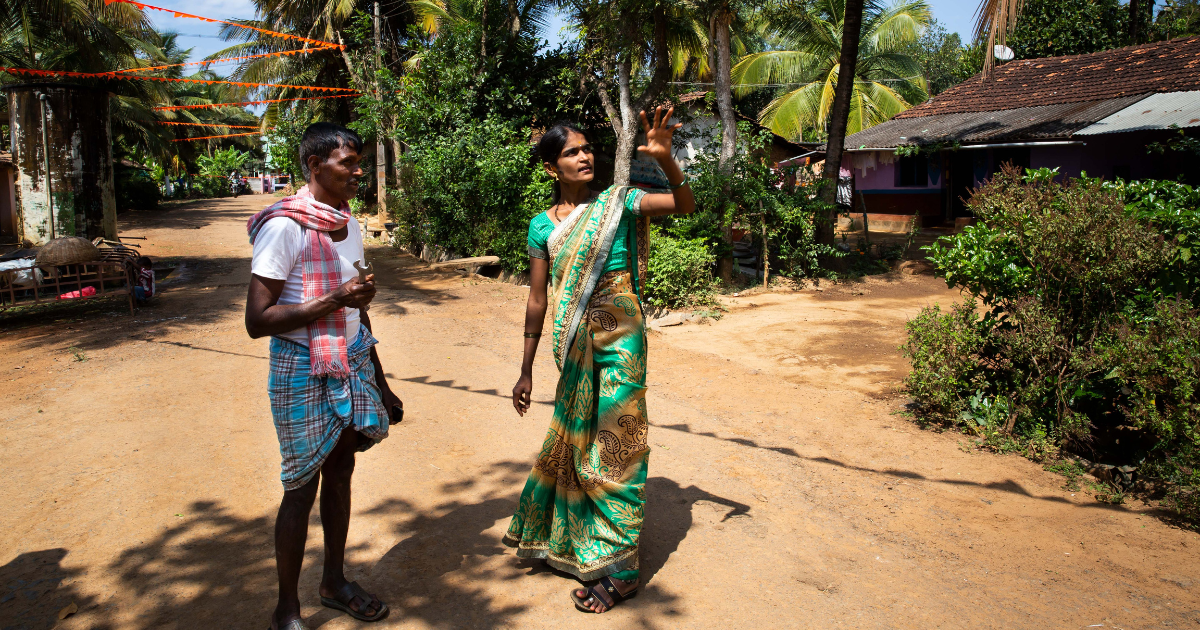
Guthyamma, by Sujata Khanna, 2020.
What’s in that for?
Thanks to well-equipped female leaders, village councils function better and government facilities more often reach the people they are intended for. Families get access to food stamps, pensions, health care, clean drinking water and education. Grants are being targeted, with greater transparency and less room for corruption. Local authorities are better addressed to their responsibility. For example, villages themselves are taking permanent steps towards a future without hunger.
Together they are stronger.
Change doesn’t only occur within one village. They also build networks inside and between villages. They share knowledge, learn from each other’s experiences and work together to tackle problems and hold the government responsible for its tasks.
As female leader Sima Mahanandja says: “We’ll do it together. One twig can break, a bundle of twigs can’t.”
What women achieve in Odisha.
You will also find some results from 2025, one year from a programme that has been running since 2022. The women in Odisha make concrete progress every year in areas that really matter to their villagers, from education and health care to safety and clean water.
5.311 households received food aid through government programmes.
364 students received scholarships or other educational support.
1,081 toilets were built.
227 child marriages were prevented.
5 new bus routes connect remote villages to the rest of the region.
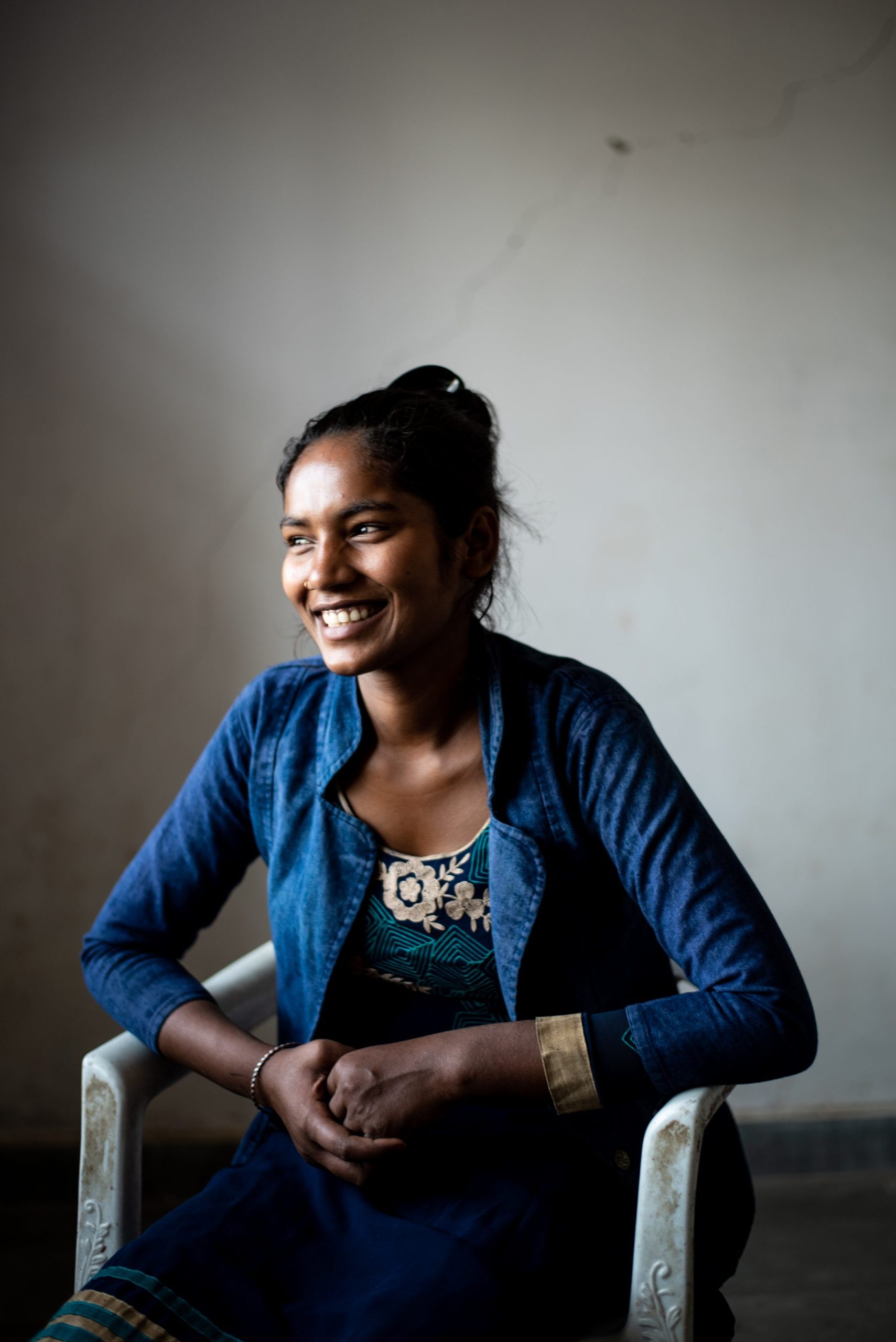
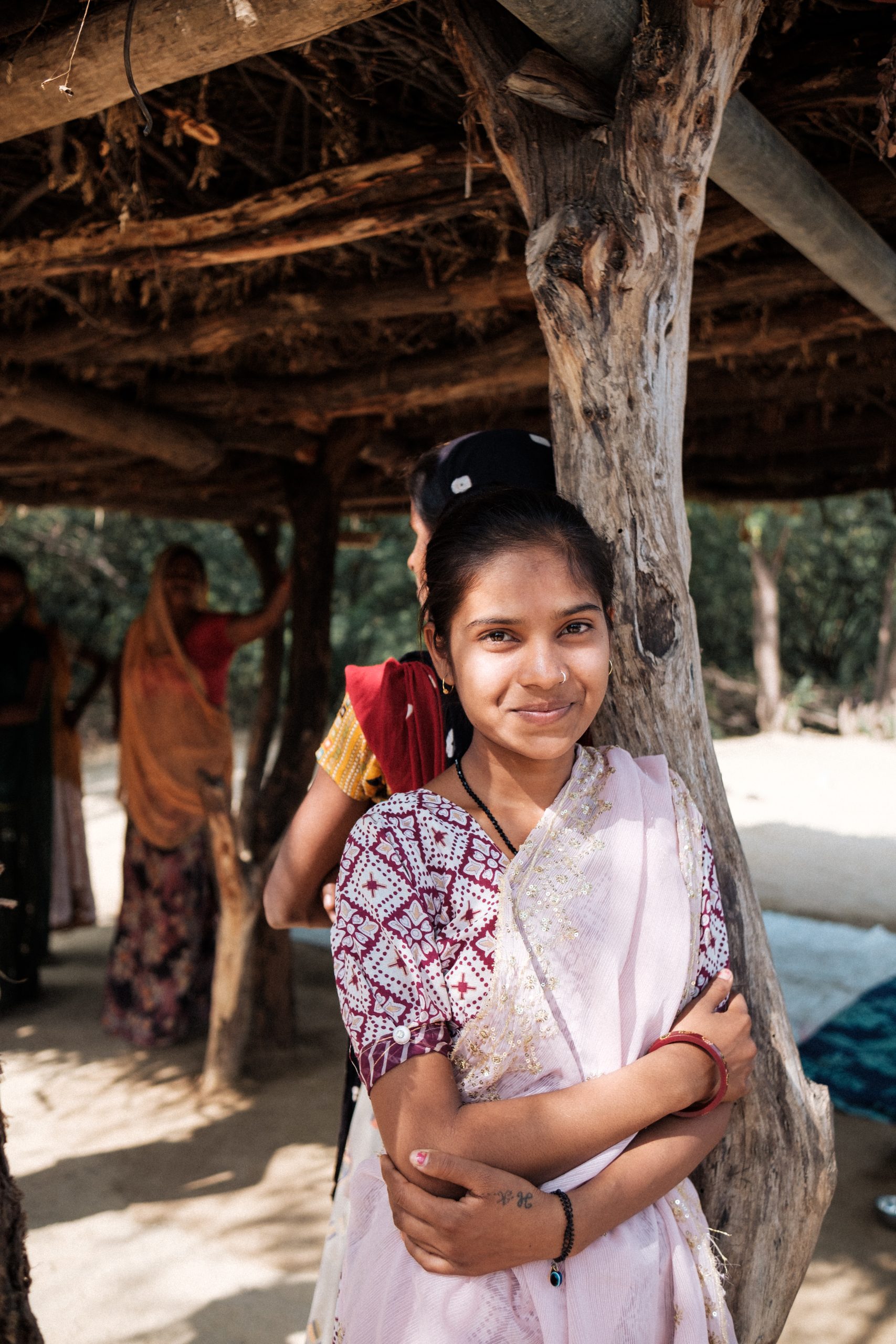
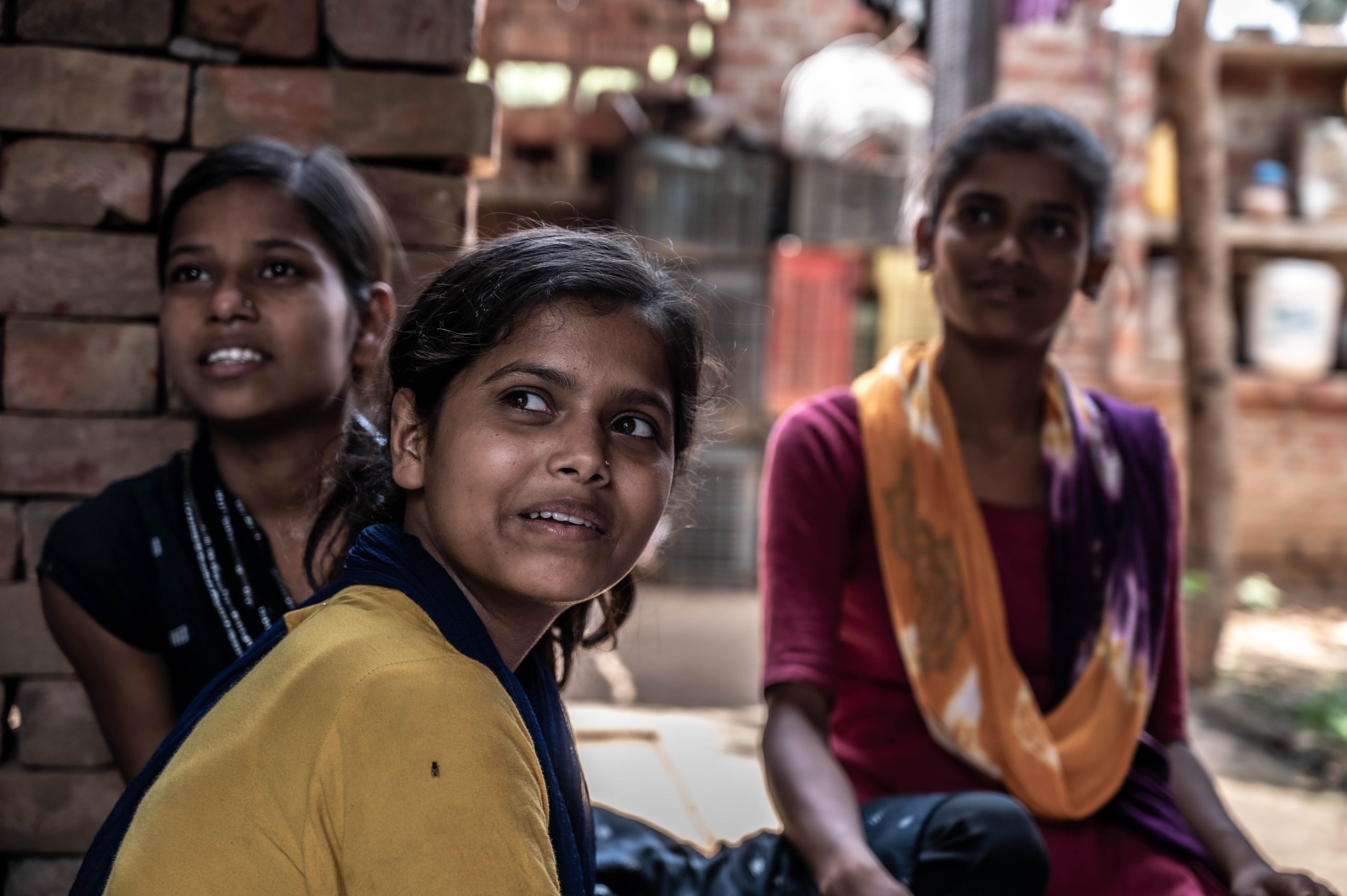
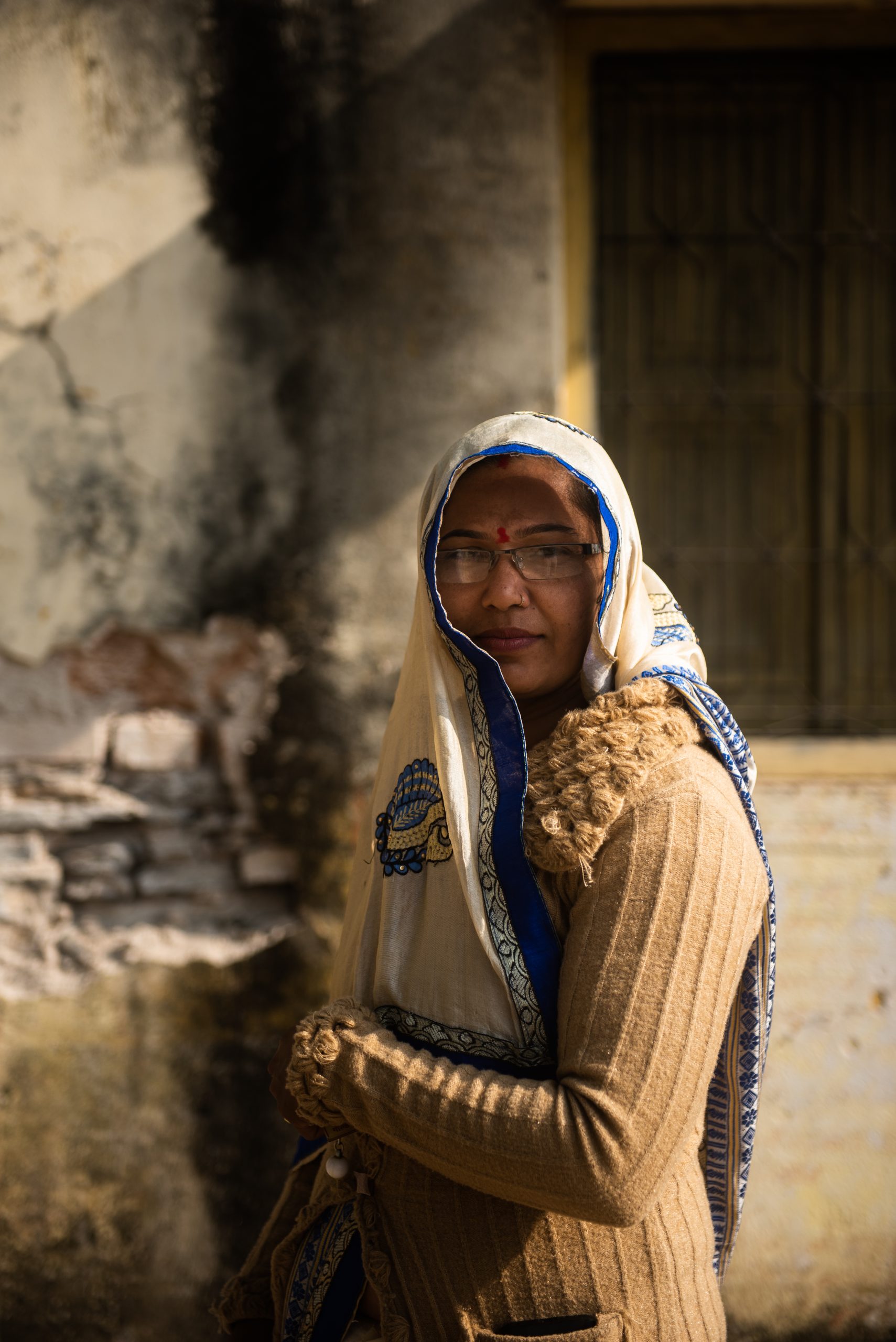
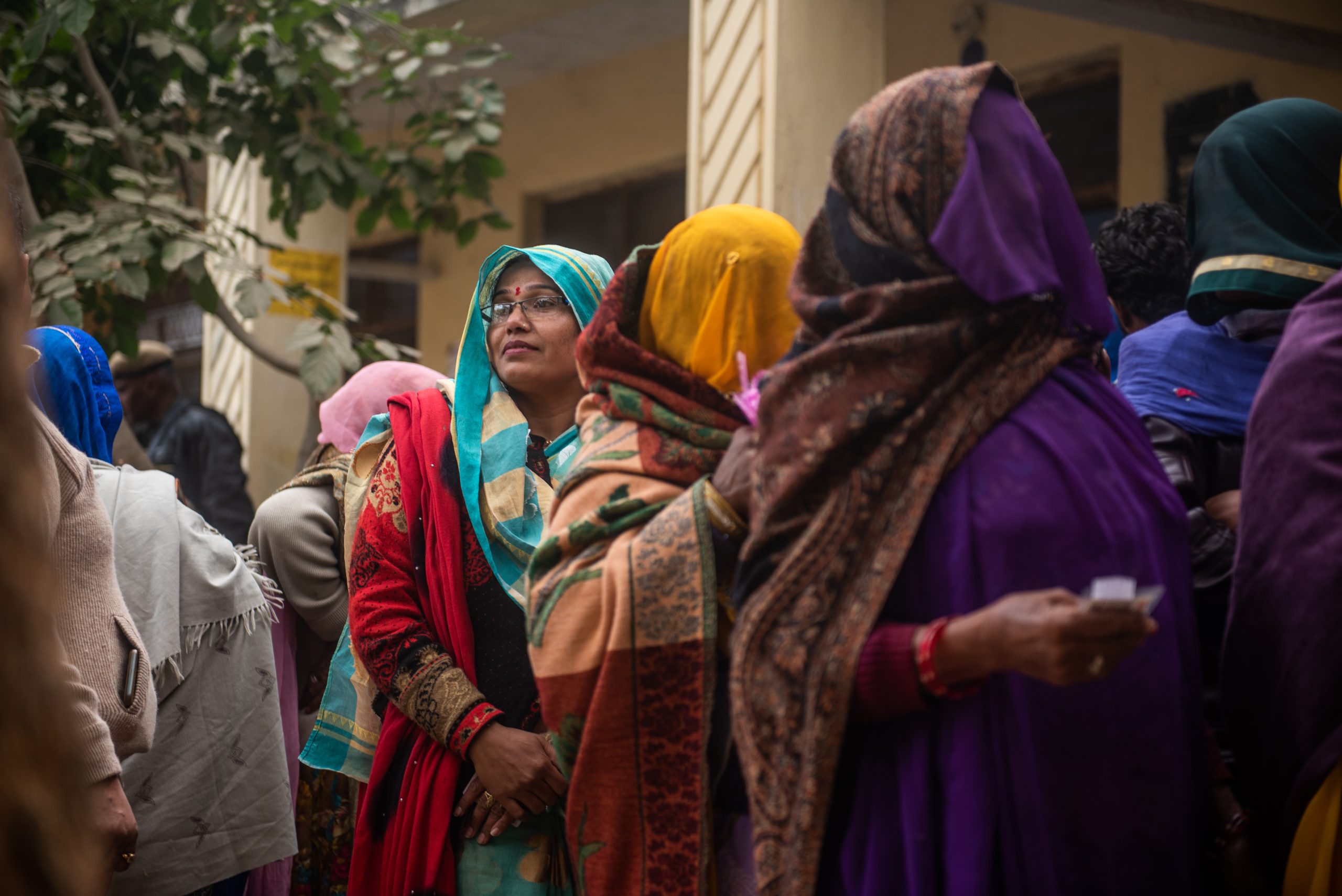
Anita from Odisha says:
“What the trainings mainly gave me is something that is perhaps even more important than knowledge: more self-confidence. That gives me the strength to stand up, to confront officials who don’t take me seriously, and to make me stand up for the rights of my community. That makes me a better leader now. You don’t change such patterns of thought overnight. But if we women work together, we can reduce it, and force more respect for each other.”
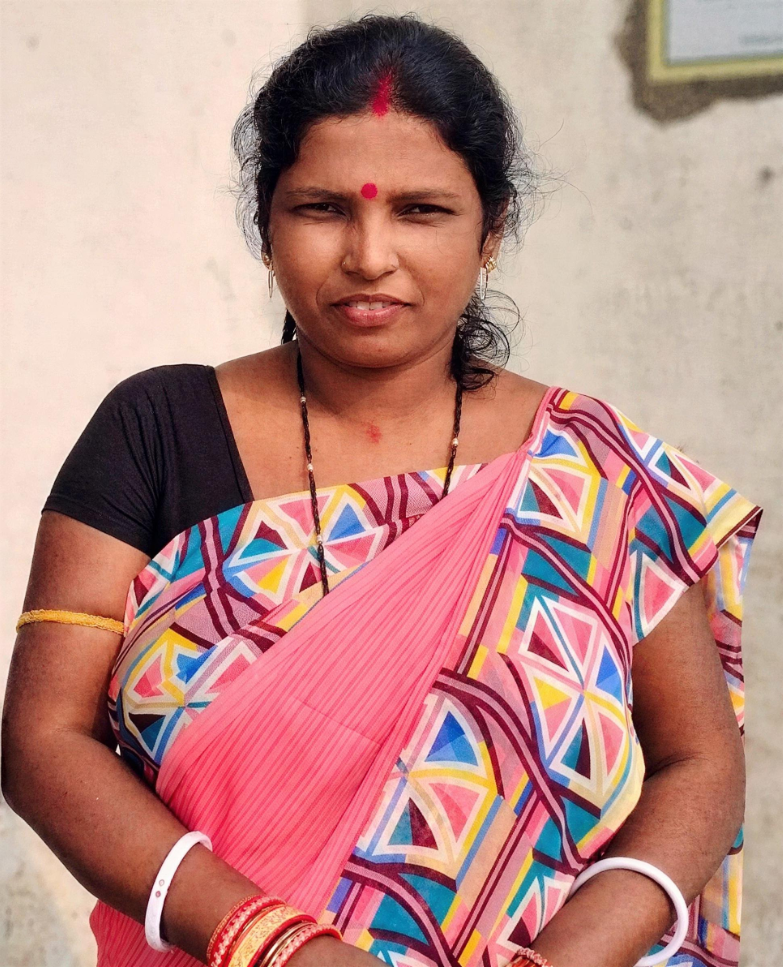
Sustainable Development Goals.
Women participating in this programme take steps beyond one village or one term of office. The knowledge and leadership they build, they transfer to others, so the impact continues to grow. That fits the holistic approach of The Hunger Project: We always work on all the causes of hunger at the same time.This programme follows the following SDGs:
- SDG 1 No poverty.
- SDG 2 Not hungry.
- SDG 3 Good health and wellbeing.
- SDG 4 Quality education.
- SDG 5 Gender equality.
- SDG 6 Clean water and sanitary.
- SDG 8 Decent work and economic growth.
- SDG 16 Peace, justice and strong public services.
Do you want to invest in female leadership in Odisha, India?
We can do that until the end of 2026.Our program will then runoff, but the work of the women continues. That is precisely why your contribution is so valuable: You invest in leadership that will last generations.With your support, these women not only strengthen their own position, but also that of their families and fellow villagers.
Contact Annemarie or Saskia.
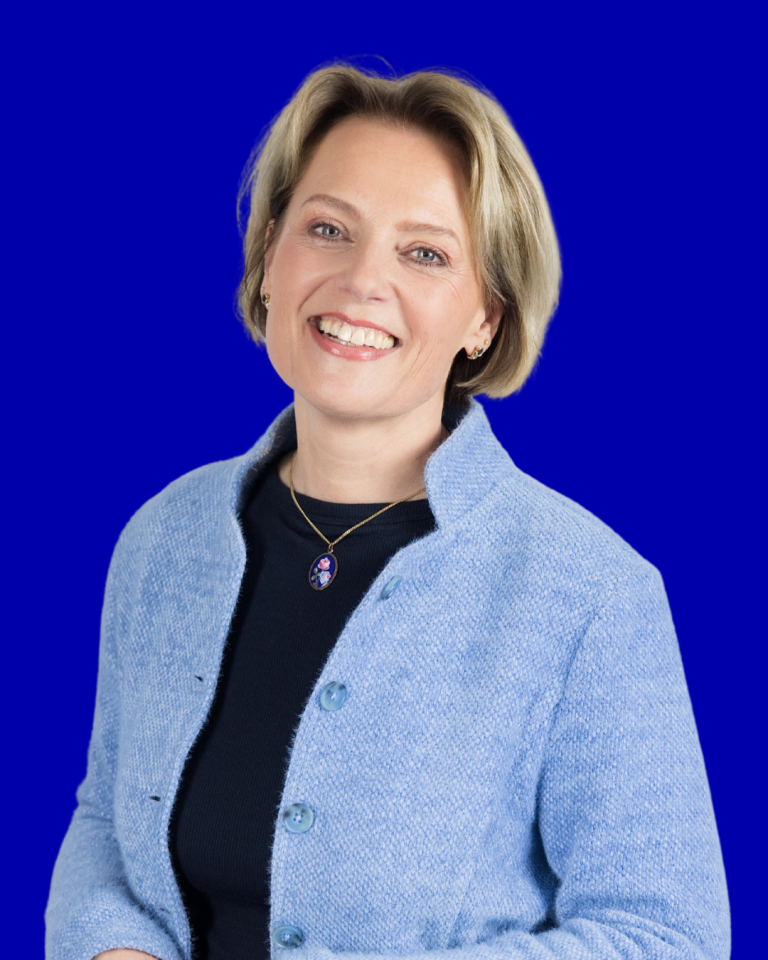
Tel: 06-54 23 69 78
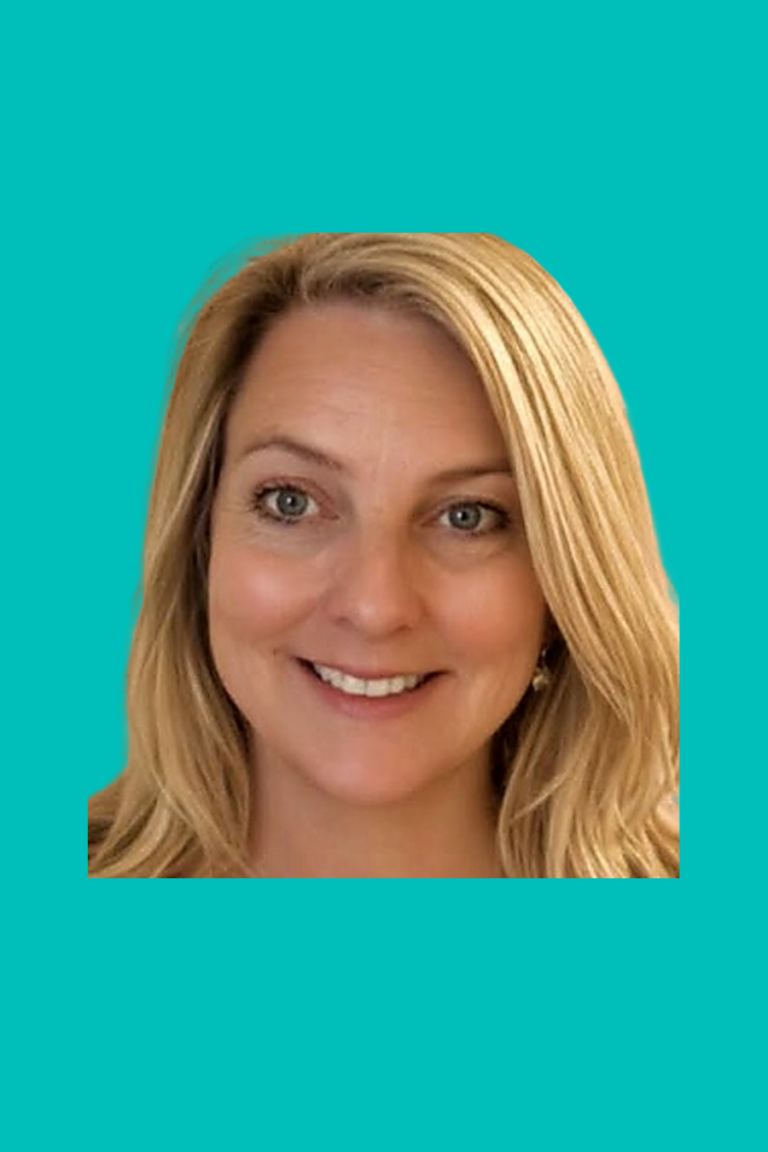
Tel: 06-30 41 18 83