Water wins in Malawi, Benin and Burkina Faso.
Access to water all year round.
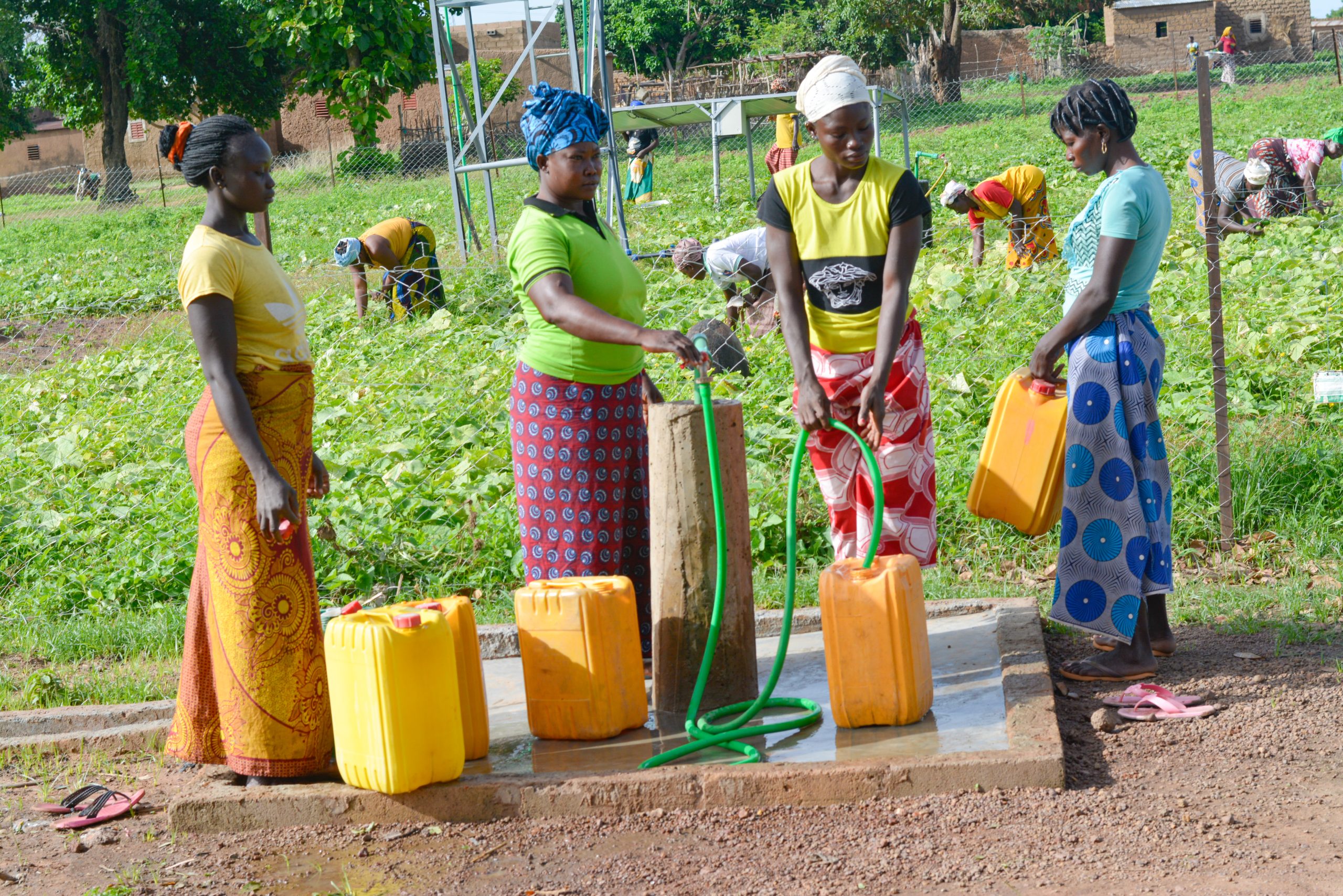
For 2.2 billion people access to safe and clean water is not self-evident.While it is the basis of everything: from drinking and cooking until washing and agriculture.In many rural areas of Sub-Saharan Africa, water shortages constitute a structural obstacle to development. Rain often falls in short, heavy peaks and flows away quickly, interspersed by long periods of drought. That’s why The Hunger Project is working on a solution: The sand dam. With the Water Winning programme, we build sand dams in riverbeds that hold rainwater and keep it available during dry periods. One dam provides a thousand people with water all year round, with better harvests, more food security, healthier families and new opportunities for women as a result.
With the support of the participants of the Postcode Lotteryand in cooperation withSand Dams WorldwideandAidEnvironmentSince 2025 we have been working on sand dams in Malawi, Benin and Burkina Faso.
Why we invest in safe water.
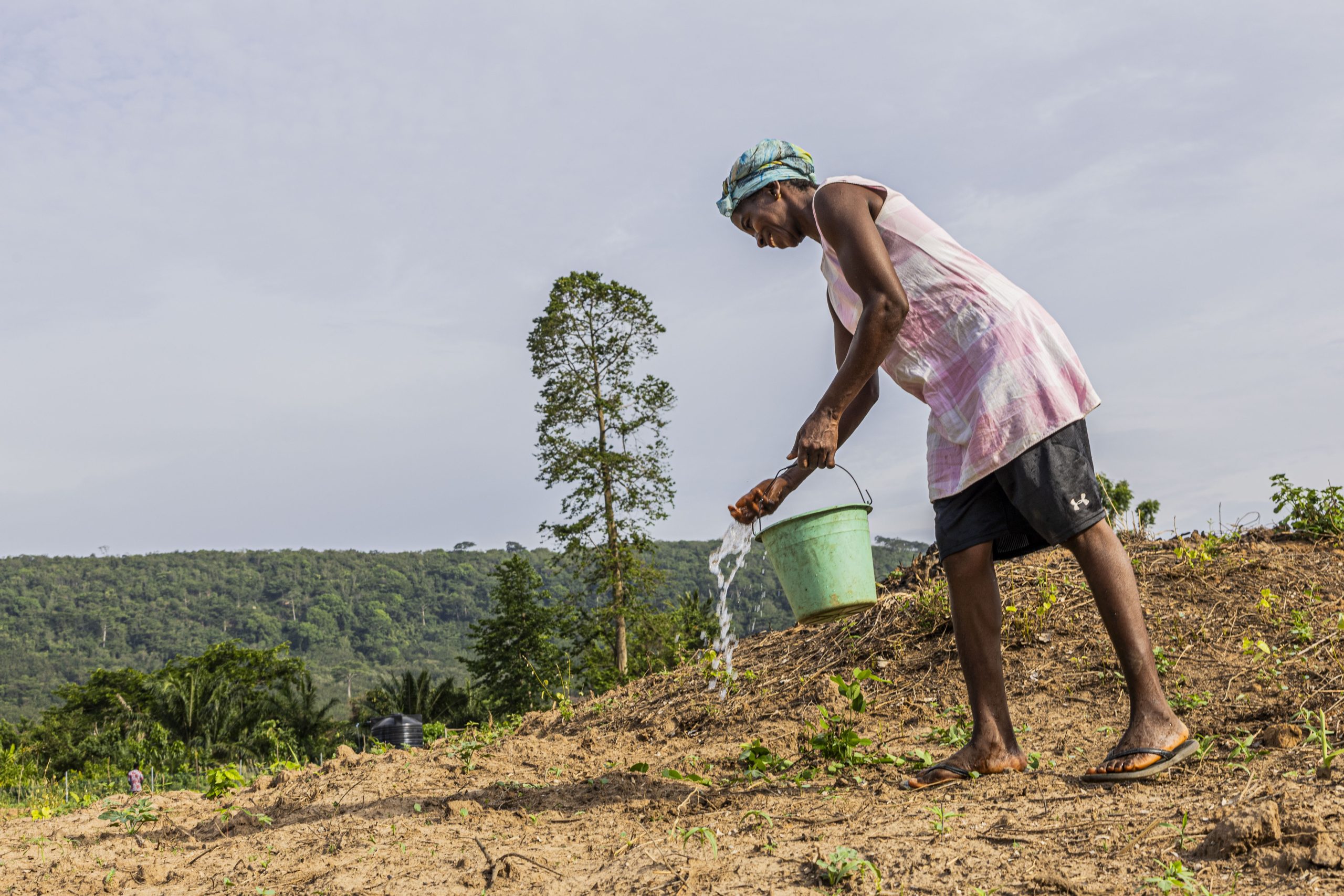
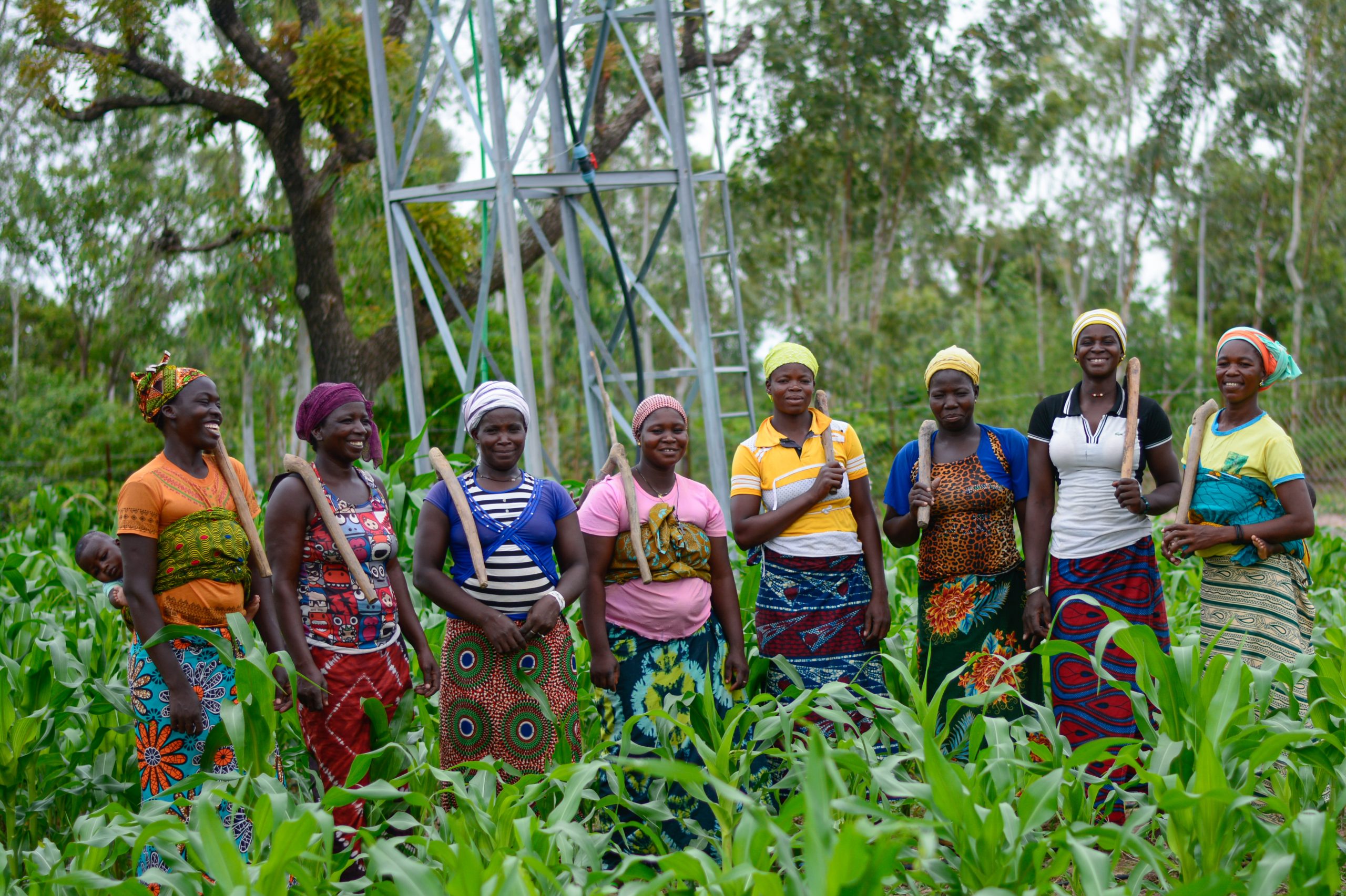
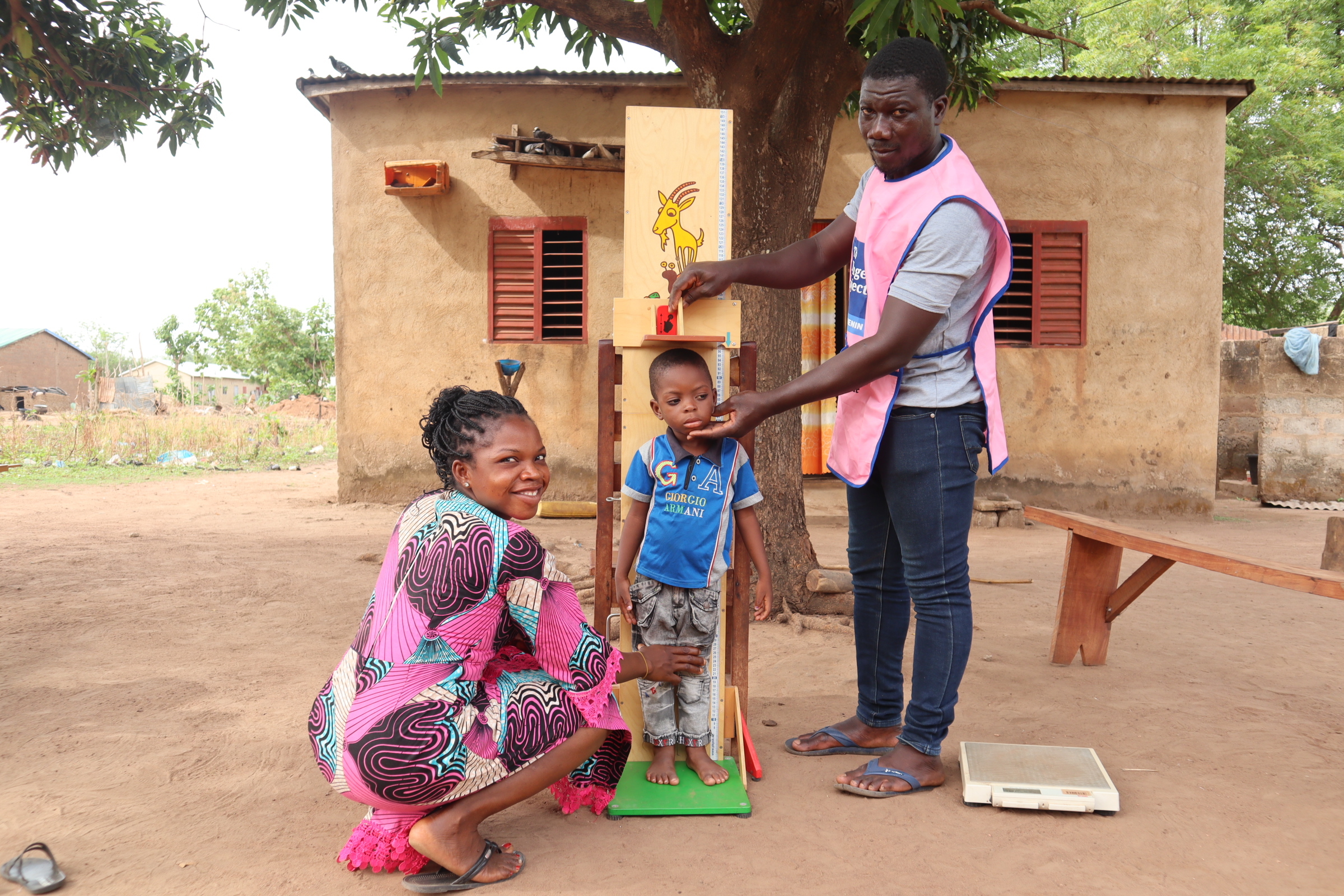
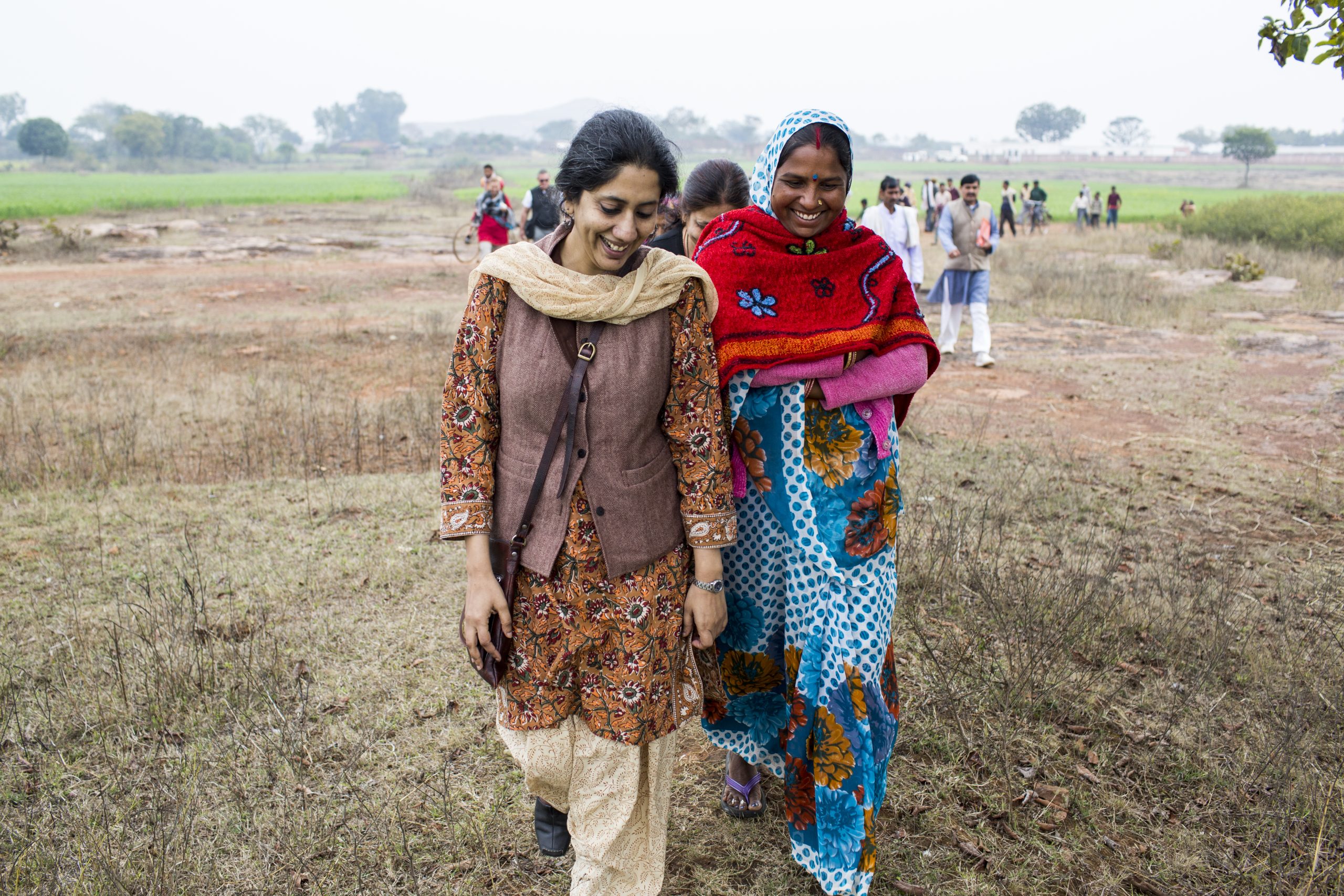
Water is not an isolated basic requirement, but a condition that affects development on all fronts. Water shortage thus constitutes a structural brake on progress: no matter how hard communities work for a better future, without reliable access to safe water, the results of these efforts remain limited. Access to safe water changes everything. It is the key to better harvesting, more food security, healthier children, more school visits, economic development and new opportunities for women. That’s why the sand dam is more than a water project. It is a practical solution that allows for several developments at the same time. This effect is visible in several areas.
How does a sand dam work?
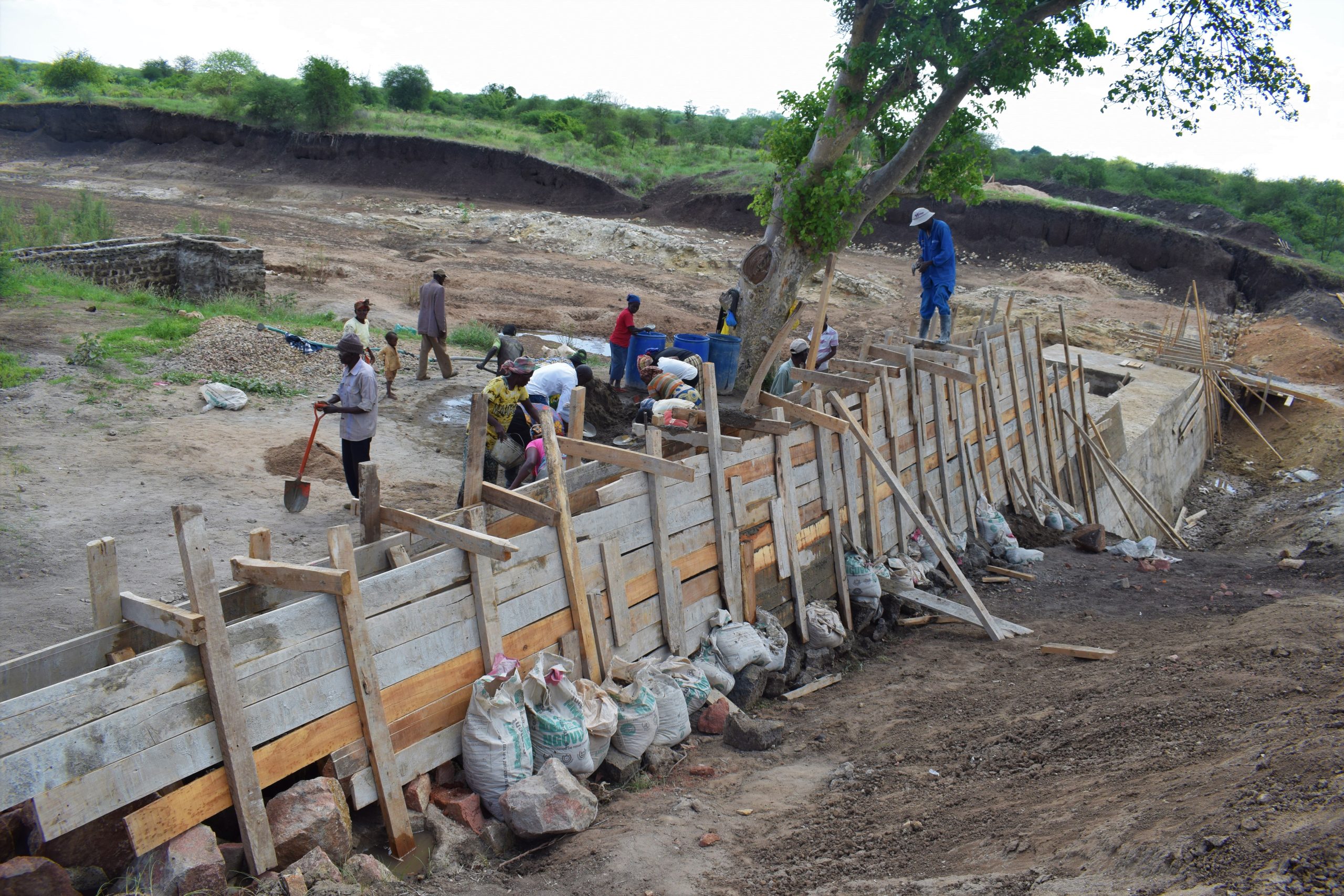
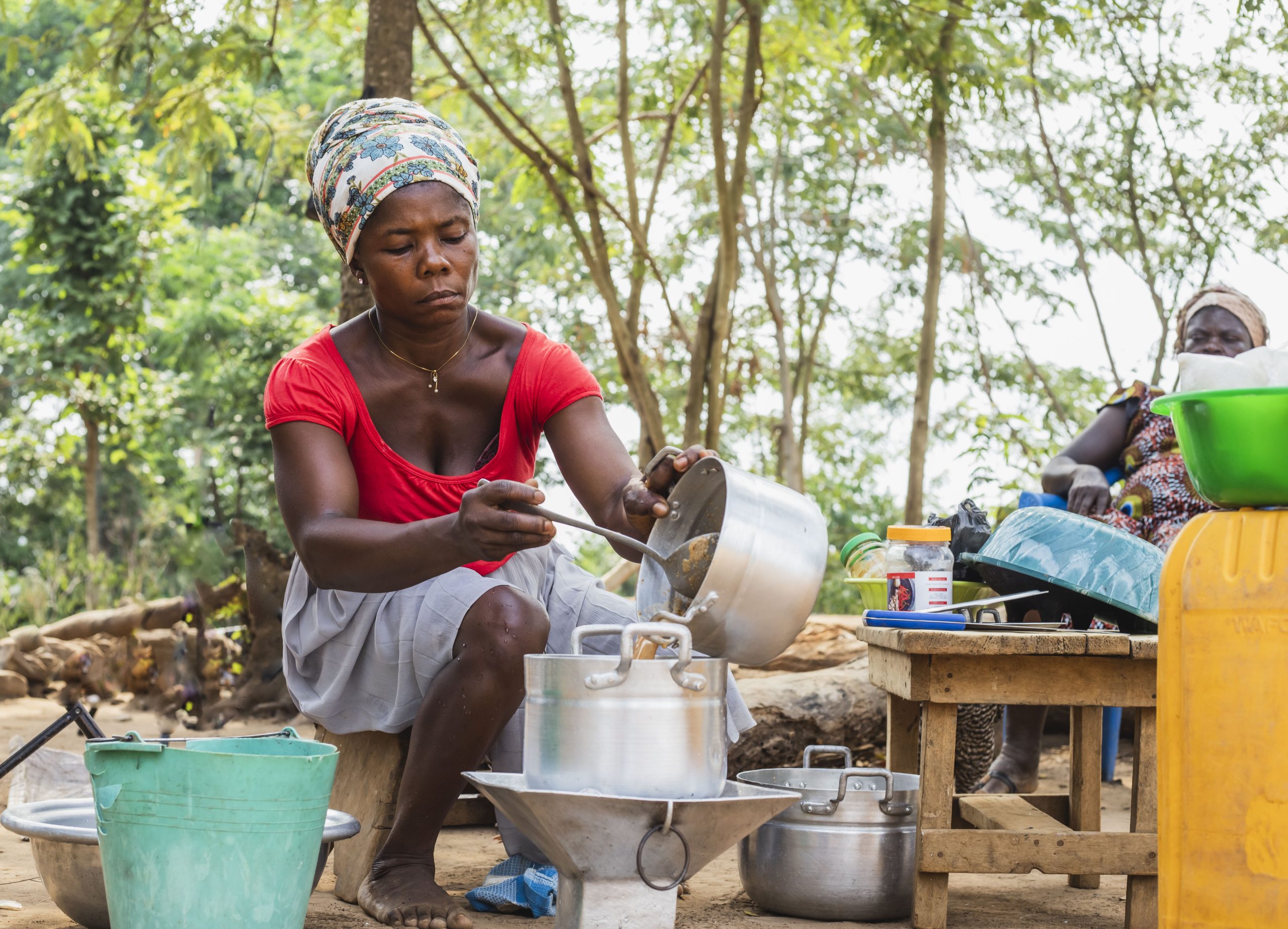
One sand damis a low, concrete dam built in the bed of aseasonal river. During the rainy season the dam holds the sand that is carried by the running water. Water is stored between the sand. This water remains protected from evaporation and is available through hand pumps and wells throughout the year, even in the driest months.Onesand dam can store tens of millions of litres of water: enough for hundreds of households.
Our approach.
The Approach to Water Winningconsists of four steps ensuring permanent access to water.From construction to management and scaling, at every step we work together with local communities to create a sustainable, local solution.
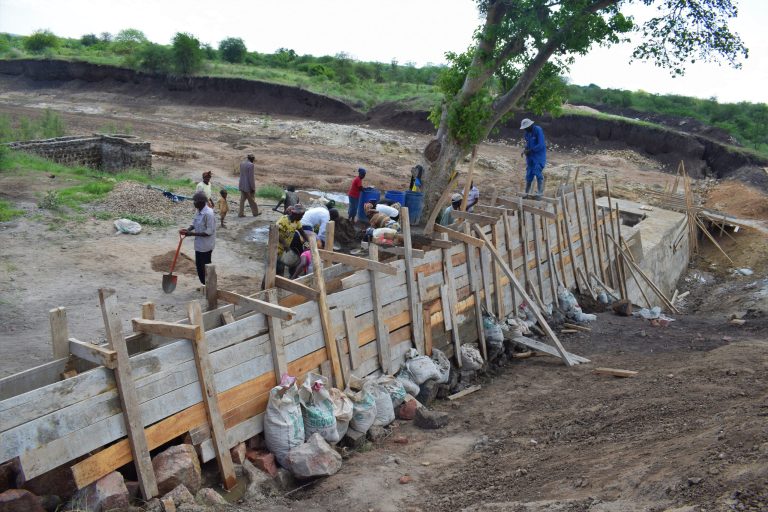
Sand dams are built on carefully selected locations with active community involvement, from collecting materials to building itself. Technical guidance is provided by our partners, while The Hunger Project trains local people and organisations to anchor knowledge locally.
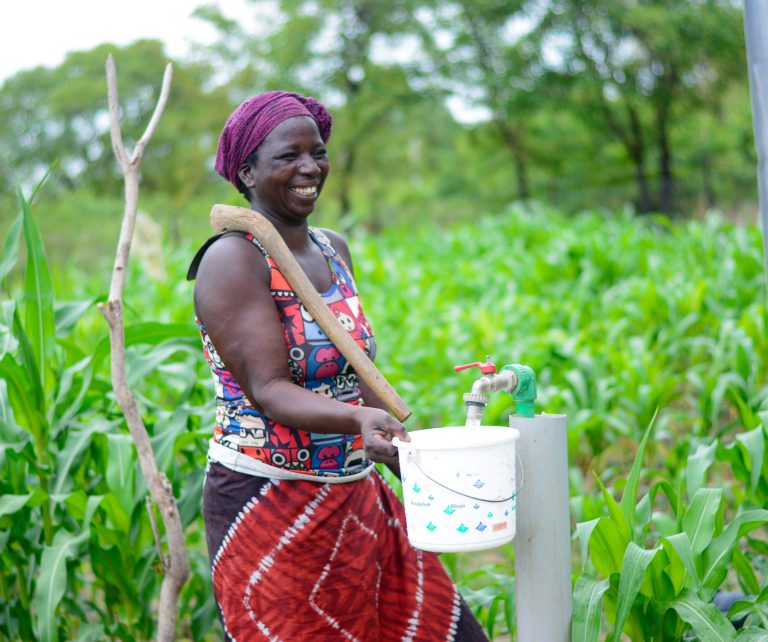
After construction, management lies with the community itself. Water committees of trained villagers ensure maintenance, use and fair distribution of water. Because the dams are built and managed together with the community, local ownership arises.
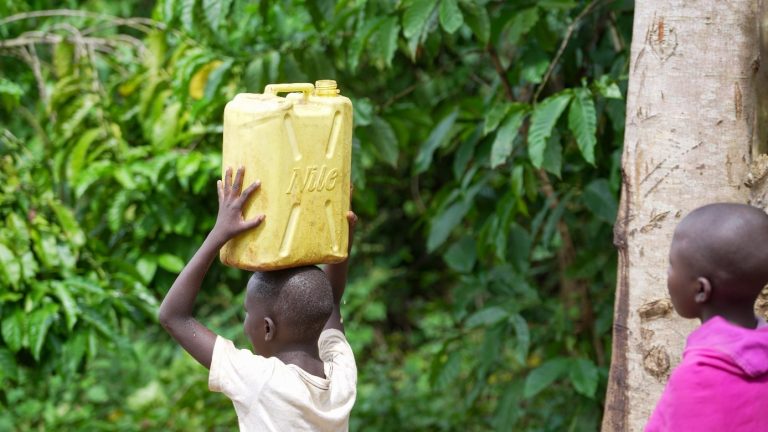
The community determines how the water is used. In some areas the emphasis is on access to safe drinking water for households, while in others the water is used for agriculture, for example to irrigate vegetable gardens, or as drinking water for livestock.
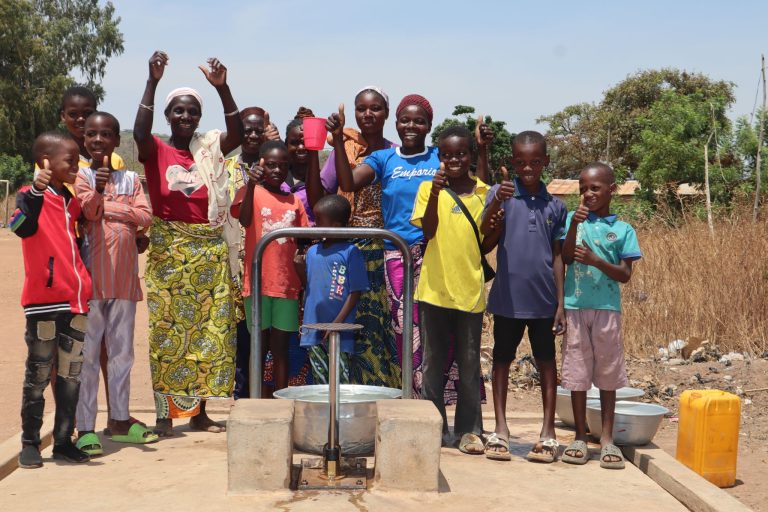
We build not only dams, but also knowledge. Through learning visits and collaborations, local people are trained so that they can create new dams independently in the future. We are also working on the recognition of sand dams within national policies so that the approach can be further scaled up and disseminated.
Sustainable Development Goals.
Access to water does not affect one development goal, but several at a time. This programme is therefore working simultaneously on:
- SDG 2: Not hungry.
- SDG 3: Good health and wellbeing
- SDG 5: Gender equality
- SDG 6: Clean water and sanitation
- SDG 13: Climate action
- SDG 17: Partnership to achieve objectives
Together, we put an end to hunger.
The Hunger Project shows with over 45 years of experience and with programmes in almost 7,533 villages in 13 programme countries that the end of hunger is feasible. The approach varies from country to country, because the conditions are also different, but in all areas the people who are hungry are at the centre. They themselves carry the solution from the bottom, from the inside.
Hungry is fixable, and we do it together. You too can be part of the solution. With your support, millions of people in various places in the world are working on a better future without hunger.